
How Long After Hair Transplant Can You Start Working Out
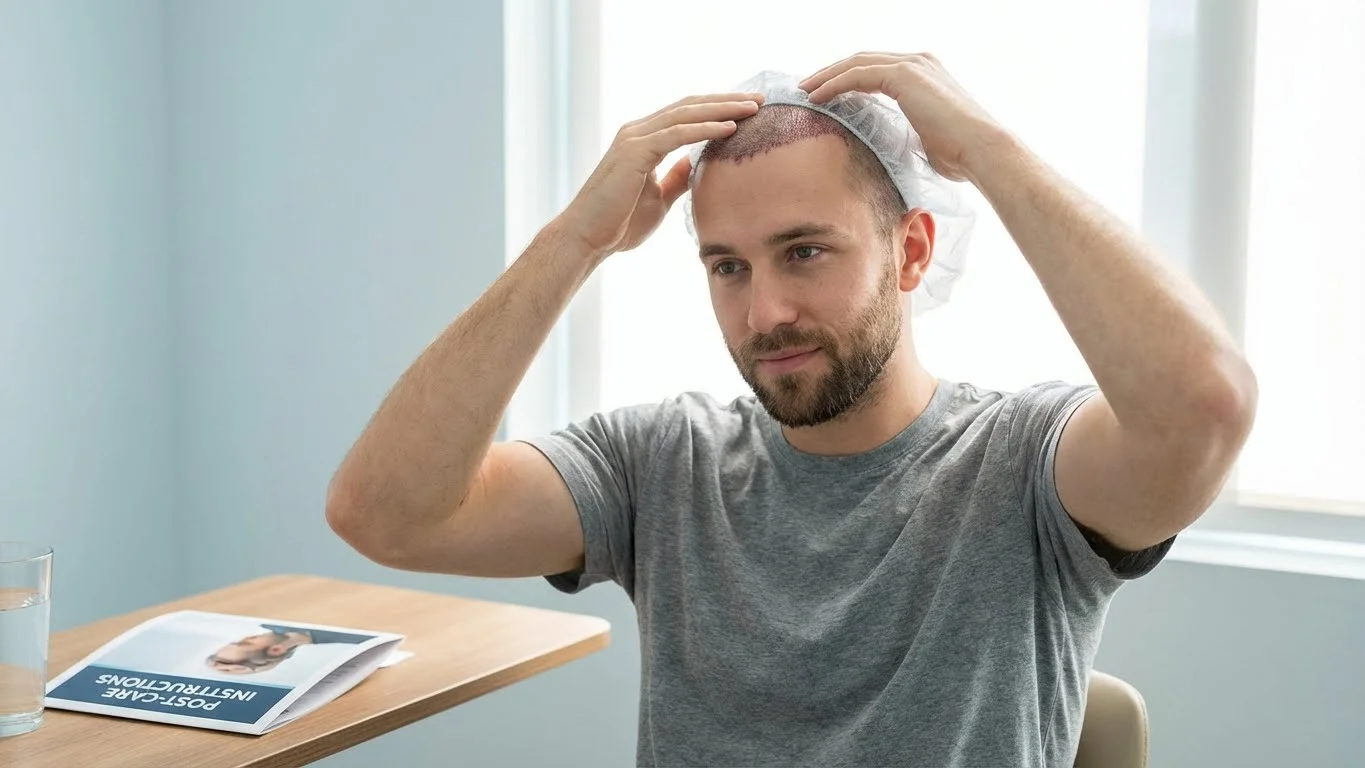
Undergoing a hair transplant is a significant decision because your new hair is still at risk in the early phase. From my experience, understanding the goals of healing and proper post procedure care makes the real difference between success and complications. This important guidance around exercise after hair transplant applies whether you had FUT or FUE hair transplant surgery. Many patients feel eager to return to day to day life, but it is vital not to rush recovery, as overall health depends on smart choices in the short term. Your post surgical recovery should be the main priority because Follicular Unit Extraction and Follicular Unit Transplantation both move hair follicles from a donor area at the back of scalp to transplanted affected areas impacted by hair loss.
The newly transplanted hair grafts must be looked after correctly so the scalp heal process stays on track. You should wait before exercising and focus on rest for 10 to 14 days, as early exercising can cause issues. After 2 weeks, you may resume light jogging and cardio, but always avoid intense exercise and risky exercise. From professional practice, weight lifting, long distance running, and contact sports should wait 3 to 4 weeks to prevent dislodging grafts or damaging grafts, ensuring steady healing and stronger long term results.
Why do you need to limit exercise after a hair transplant?
When you invest time and money in a hair transplant, you want real results, not setbacks. That is why avoiding gym activity for a short time following surgery matters. Any form of exercise that increases blood flow, causes sweat, or leads to overexertion can compromise success of the transplant. Even though the surgical procedure is minimally invasive, it is still important to take time so the body can recover, focus its energy, and support proper healing, repair, and growth during recovery.
- In the early phase after surgery, it is essential to protect the hair grafts because they are very fragile.
- Any intense activity can increase the risk of graft dislodgement before healing is complete.
- Giving the body space to rest helps minimise scarring and reduces visible scars.
- Avoiding excessive tension on the wound, especially during healing, is crucial.
- Allowing the body to rest fully ensures a safe return to movement without slowing progress.
When can you exercise after a hair transplant
After a hair transplant, taking some downtime from exercise is crucial for proper healing and recovery. In the early days, stick to light walking or other safer exercises to avoid putting stress on the transplanted hair. You can resume simple popular exercises gradually, following guidelines provided by your surgeon. Starting with gentle walking on day one and light stretching on day seven helps maintain mobility while keeping the hair grafts safe. Activities like basic yoga or Pilates can be introduced carefully around the first week.
Gradual Return to Normal Activity
From day fourteen, you may try light jogging, moderate yoga, or gentle cycling as your healing progresses. By day twenty one, moderate cardio and running can be attempted if your recovery has been straightforward. More intensive activities like weight training, swimming, contact sports, or team sports should only resume around day twenty eight, always taking into account any complications or health conditions. When in doubt, consult your surgeon before you restart exercise routine to ensure safety and prevent setbacks in your recovery.
When can I start running after my hair transplant
After a hair transplant, it is important to avoid running or intense activity during the first week to protect your grafts and allow them to come away safely. As a seasoned runner, you can resume light jogging for short distances around 14 days after surgery, keeping distances less than a mile. Your grafts must be completely healed before attempting anything more strenuous. Gentle mild cardiovascular activity is acceptable, but sweat should be minimised to reduce the risk of infection, irritate scalp, scratching, or graft dislodgement.
Gradually Increasing Intensity
Between 21 to 28 days, you can start increasing regular distances and regular speeds slowly over several sessions. Avoid sudden increases that could ramp up blood pressure or cause risk of bleeding and risk of weeping. By progressing gradually, you can safely increase activity without harming your grafts and ensure long term success from your hair transplant.
What are the risks of exercising too soon after a hair transplant?
1. Importance of Waiting
After a hair transplant, it is important to wait the recommended time before resuming any physical activity. In the early days, the grafts are very vulnerable, and exercising too early can cause graft dislodgement, increase risk of infection, or irritate scalp.
2. First Two Weeks Care
During the first 2 weeks, avoid sweating from hot weather, saunas, steam rooms, or exercise outside. Protect the recipient site and hair follicle roots by limiting activities that can disturb the transplanted area.
3. Avoiding Strenuous Activity
Even simple exercises like running, lifting weights, or using gym equipment can increase pressure, risk bleeding, and damage the grafts. Following strict requirements for 2 to 4 weeks after post transplant surgery ensures graft security and safety.
4. Critical Timeline
From day 5 to day 10, the adhered surrounding tissue is still delicate. By day 14, the grafts come away safely from minor pressure. Monitoring during this timeline is important to avoid tear out grafts.
5. Gradual Return to Exercise
Once the grafts are firmly anchored, you can gradually resume normal daily activities and light workouts like gentle jogging or swimming. Slowly increase activity while paying attention to any sweat, scratching, or touching that might harm the transplanted area.
6. Avoid Contact and High-Impact Activities
Avoid contact sports, bumping, or knocking head for at least a month. If using headwear, hats, headbands, or visors, make sure they do not pull on the grafts. These protective measures help prevent damage while healing.
7. Monitoring for Complications
Always follow your clinic advice if you notice symptoms such as fever, unexpected pus, or increased scalp pain. Taking these precautions reduces long term impact, ensures fully secured hair transplant results, and supports a safe, healthy recovery.
How to manage your mental health after a hair transplant
After a hair transplant, it is important to give yourself time to recover. You can start with regular light walking immediately after your procedure. Getting out into a local green space and enjoying some fresh air can provide mental health benefits while allowing gentle physical activity. Light exercise like this helps you manage mental health without compromising your hair transplant results.
Light Walking for Recovery
After a hair transplant, you can begin regular light walking immediately after hair transplant. Getting out into a local green space and enjoying fresh air provides mental health benefits while gently resuming physical activity. This type of light exercise helps you manage mental health and keeps your hair transplant results safe.
Meditation for Mental Health
Regular meditation practice can reduce symptoms of anxiety, depression, and frustration caused by not being able to exercise. You don’t need special equipment; free guided meditations available online are easy to follow and support your mental wellbeing during recovery.
Understanding the Impact of Short Exercise Break
Remember the long term impact of a short withdrawal from exercise. This period allows your body to get through the initial healing stage safely, keeping your results intact and avoiding complications.
Comfort and Downtime Activities
Use this time to pamper yourself and enjoy downtime with favourite non physical activities such as classic TV shows, warm baths, or playing video games. Planning ahead and looking forward to small daily activities helps manage frustration and keeps your spirits high.
Check Progress with Surgeon
Around the 14 day mark, make an appointment with your surgeon to check progress. They can guide you on safe activity and let you start doing exercise again without risking your recovery or results. Following professional advice ensures the best outcome for your hair transplant results.
Reach your hair & fitness goals with the Wimpole Clinic
Getting back to your fitness routine after a hair transplant can feel frustrating, especially when progress seems slow and your usual workouts are put on hold. In my experience, patience is key. After about a year, you can expect to enjoy a fantastic new head of hair, and by that time, your workouts can resume more freely. Following a winning combination of proper recovery and safe physical activity can boost confidence, improve self esteem, and support your overall emotional wellbeing.
The team at Wimpole Clinic is always available for advising and answering concerns about your post-procedure routine. They will guide you on the right course of action for hair restoration, and it is important to discuss any questions you have about working out after the procedure. Scheduling an appointment with patient advisors at the nearest clinic can help you get started safely and make sure your body and new hair remain protected throughout your recovery.