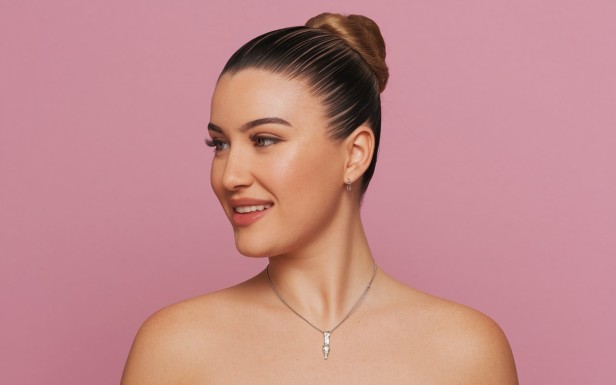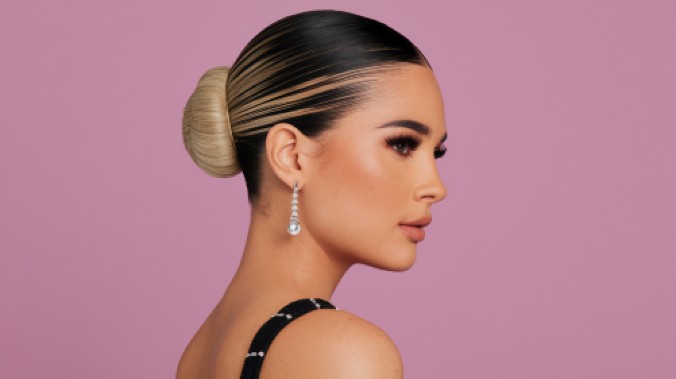
29 Spring Haircuts That Feel Light, Modern & Perfect for the Season Try One Before Your Next Salon Visit
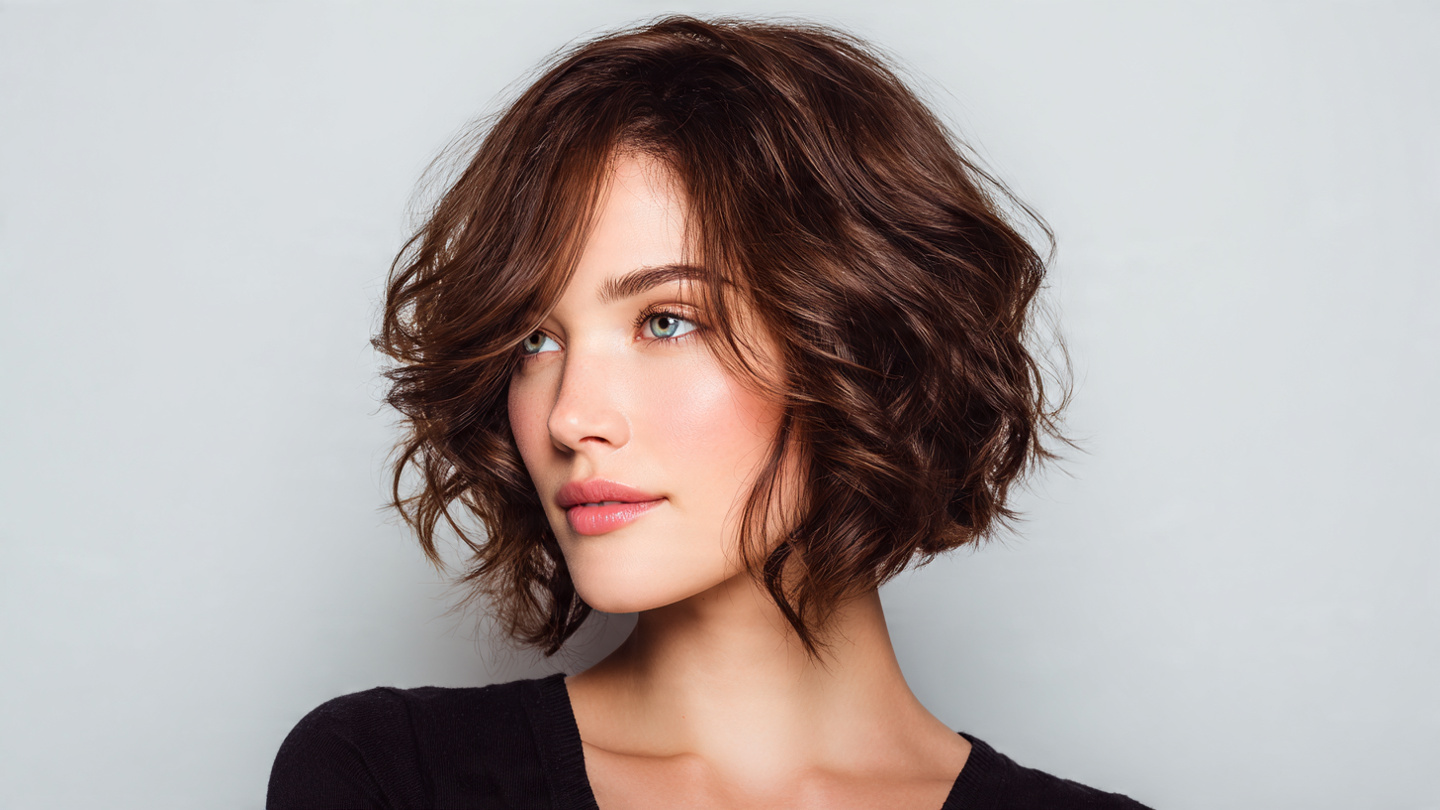
You sit down in the salon chair, the cape goes around your shoulders, and your stylist asks the question you’ve been turning over for weeks: so what are we doing today? And for one glorious, terrifying, exciting second, you think, maybe something different. Maybe something that actually feels like spring.
There’s a particular magic to a spring haircut. It’s lighter than what you walked in with. It moves differently. You catch it in a car window or a bathroom mirror and think, yes. That’s it. That’s exactly what the season needed from me.
Spring haircuts are consistently the most booked and most photographed of the year, and stylists across the US, Canada, the UK, and Australia confirm it every season: people come in ready to shed something. The heaviness of winter styles, the grown-out layers, the ends that need to go. Spring energy is cut energy, and the styles defining this season are genuinely worth getting excited about.
These 29 ideas cover every length, every face shape, every hair texture, and every level of commitment, from the most dramatic chop to the most subtle, perfectly executed trim. Find the one that makes you feel something. Then take it to your next appointment.
Why a Spring Haircut Hits Different
What the Season Does to Hair — and What a Cut Does to the Season
There’s a practical dimension to spring haircuts beyond the aesthetic: winter is genuinely hard on hair. Central heating dries it out. Heavy styling products build up on the scalp. Ends that survived autumn begin to split by March. A spring cut removes the winter damage and starts the warmer months with a clean, healthy foundation.
But the emotional dimension is just as real. Research on appearance and psychological wellbeing consistently links a haircut that feels right with improvements in confidence, mood, and sense of self. Spring is the season of renewal, and a haircut participates in that renewal in a way that most other changes can’t.
You can read more ideas on this article: https://sleekbun.com/spring-hairstyles-for-black-women/
The Three Things to Tell Your Stylist
Before any idea in this guide, three pieces of information make the difference between a great result and a compromised one: your hair’s natural texture (because cuts behave very differently on straight versus wavy versus curly hair), your honest daily styling time (because a style that requires thirty minutes of work every morning will gradually be worn incorrectly), and the specific quality you want to achieve, lighter, more movement, more shape, shorter, fresher. The more precisely you can describe the feeling rather than just the visual, the better your stylist can deliver it.
Short Spring Haircuts
Short cuts are the most transformative spring option, the maximum freshness, the maximum lightness, the maximum change. These ideas cover every variation.
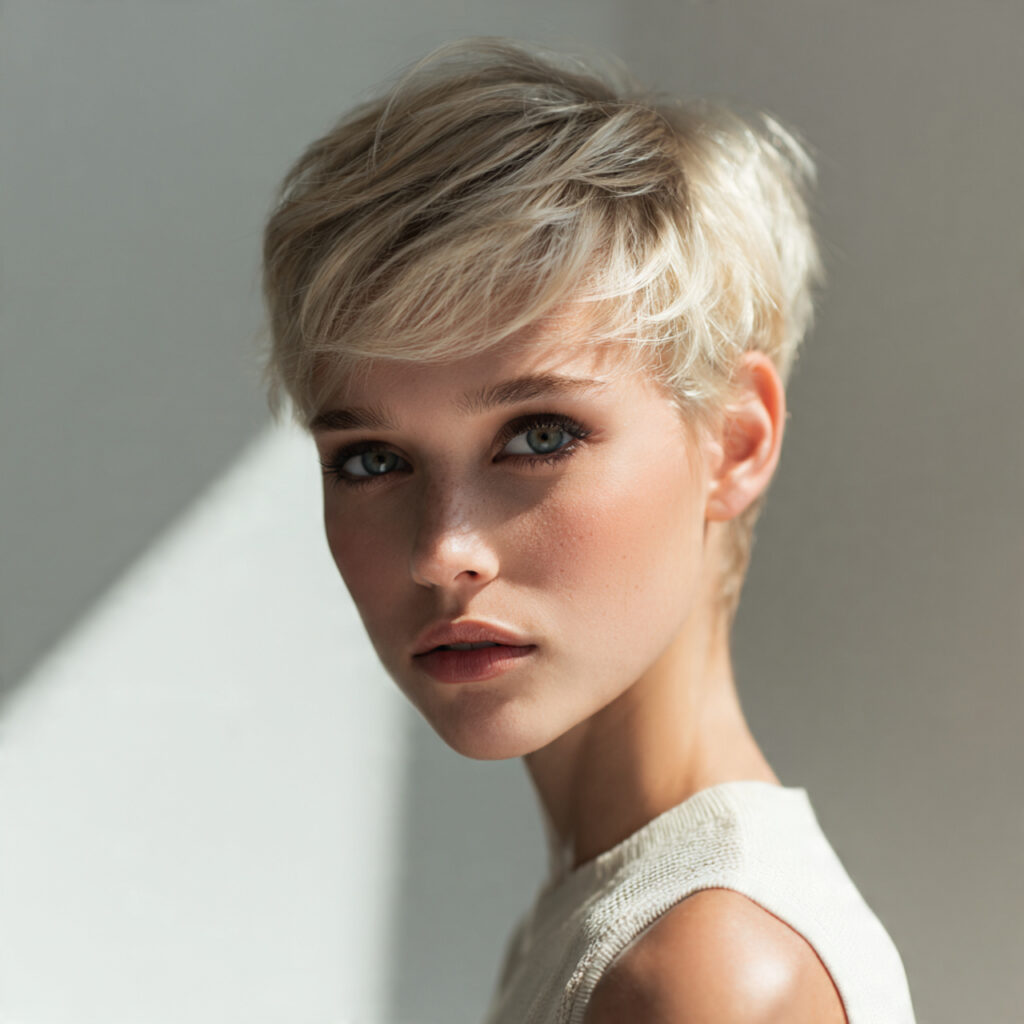
1. The Classic Pixie Cut
Why It’s Perfect for Spring
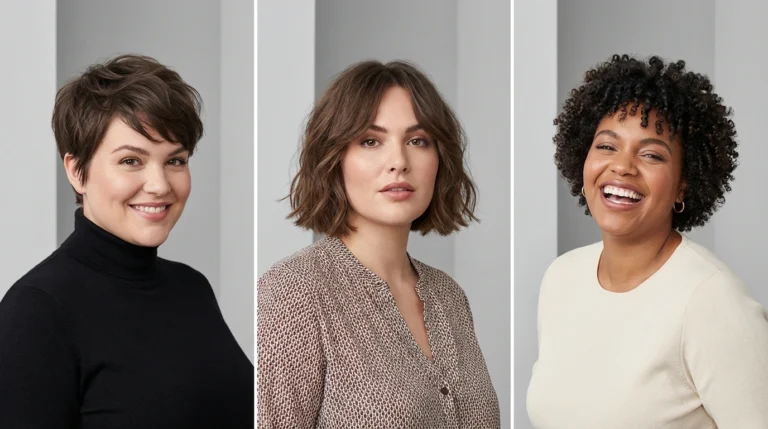
A pixie cut, short all over with slightly longer length at the top, is the ultimate spring cut for anyone ready for a genuine transformation. It’s light, effortless, completely frees the neck and face, and has a confident, distinctly modern quality that looks beautiful on a wide range of face shapes and hair textures.
How to Request It
The pixie has many variations: longer and swept at the top for more styling flexibility, extremely short and close-cut for the most graphic look, textured and piece-y for a softer, more relaxed version. Bring reference images and be specific about which quality appeals most, the cut’s architecture varies significantly depending on those details.
Common Mistake
Going too short on the first pixie without knowing how the hair behaves when short. Many hair types that appear straight when long become wavy or cowlicky when cut very short, creating a result that looks different from any reference image. Ask your stylist to cut a little longer than you think you want on the first session, it can always be taken shorter.
Also Read: https://sleekbun.com/spring-hair-trends-2026/
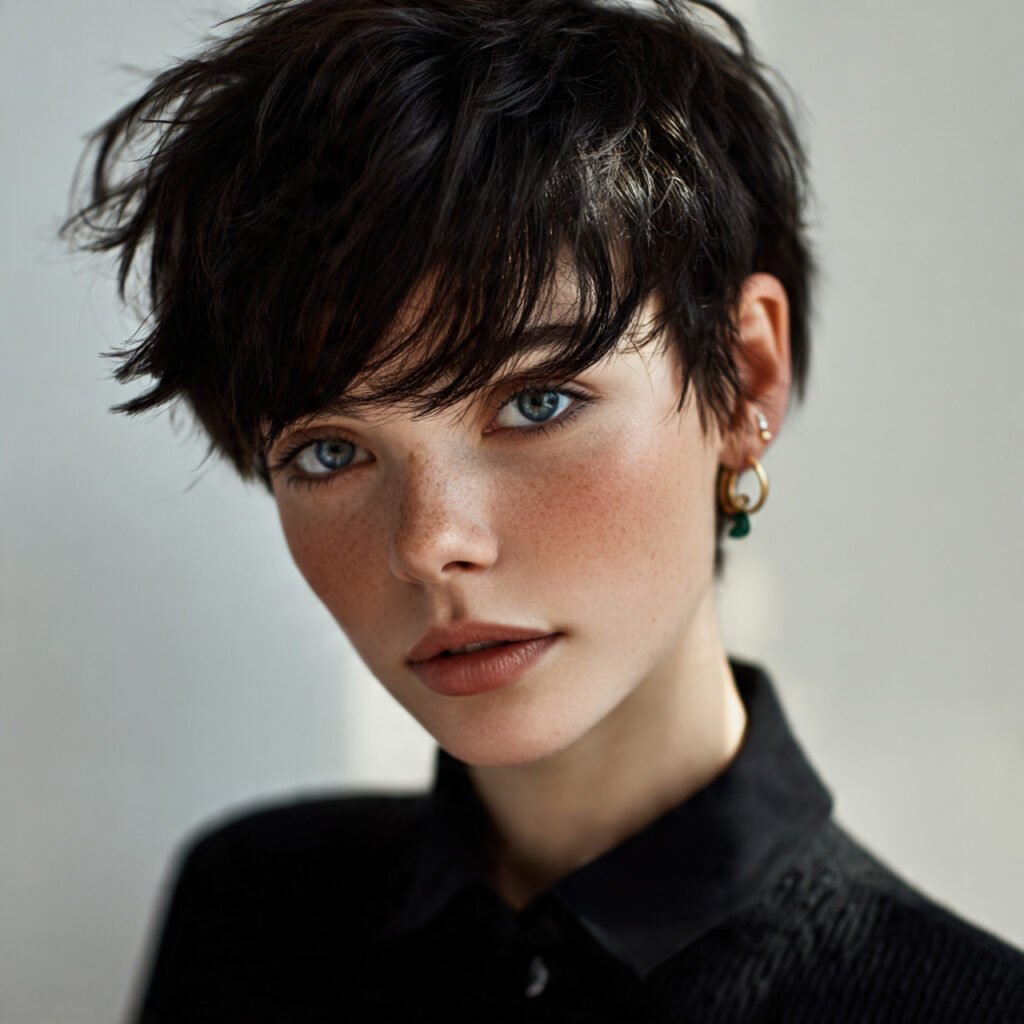
2. The Textured Pixie With Longer Top
Why It Works
A pixie with a longer, textured top, 2-4 inches at the crown with close-cut sides, gives the styling versatility that a very short all-over pixie lacks. The top can be worn, swept to one side, pushed back, spiked slightly forward, or flat-ironed smooth. The textured ends add movement and softness that prevent the cut from looking severe.
How to Style It
A small amount of a lightweight texturizing paste or wax worked through the longer top section creates the piece-y, defined quality that makes this cut so appealing. Style while slightly damp for the most controllable result.
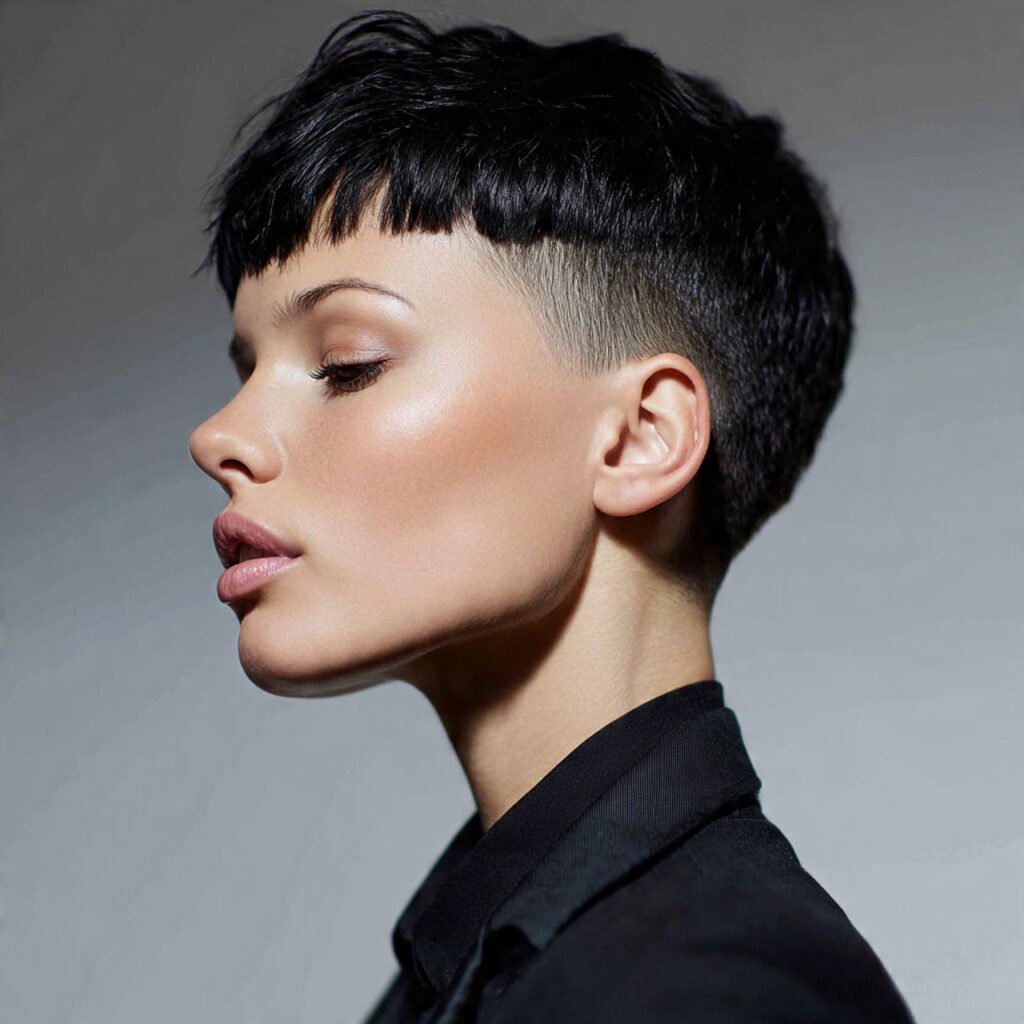
3. The Undercut Pixie
Why It Works
An undercut pixie, with the sides and back clipped shorter than a standard pixie, creating a close-cut graduation that tapers toward the nape, has a graphic, architectural quality that reads as genuinely edgy and contemporary. For those who want their spring cut to make a real statement, the undercut pixie delivers.
Who It Suits
The undercut pixie is most striking on those with defined facial features, strong jawlines, prominent cheekbones, or distinctive eyes that the close sides and back allow to be fully featured. The cut exposes the neck completely, which is a genuinely beautiful quality in spring when scarves and turtlenecks are finally put away.
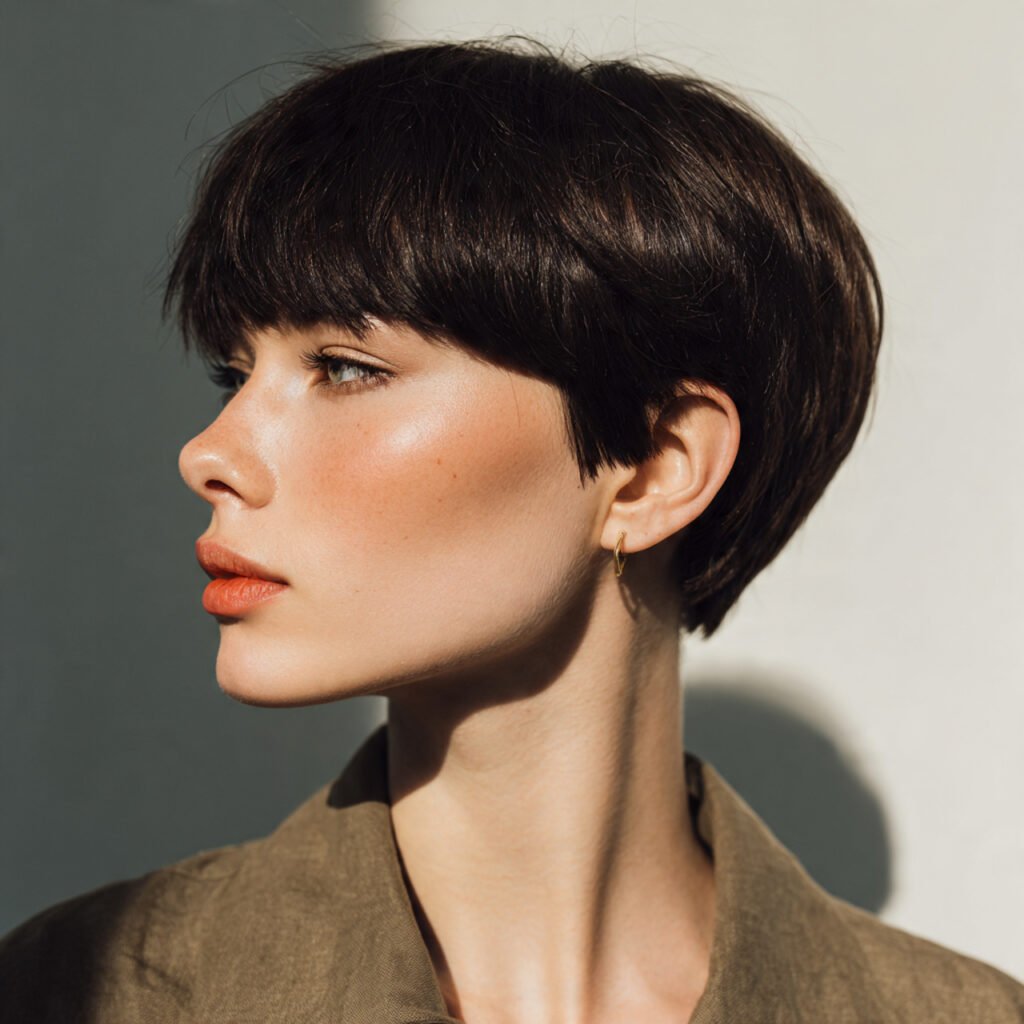
4. A Modern Bowl Cut
Why It Works
The bowl cut, reworked for contemporary sensibility with textured ends, graduated or undercut sides, and a longer, slightly rounded top, is one of the most fashionable short cuts of the current season. The modern version loses the blunt, helmet-like quality of its predecessor and gains movement, texture, and genuine wearability.
How to Request It
Specify that you want a textured, modern bowl rather than a classic blunt one. Ask for graduation at the sides and back rather than a hard line. The top section should have enough length for light styling versatility, pushed forward for a French-influenced look, pushed back for something cleaner and more contemporary.
5. A Short Shag With Curtain Bangs
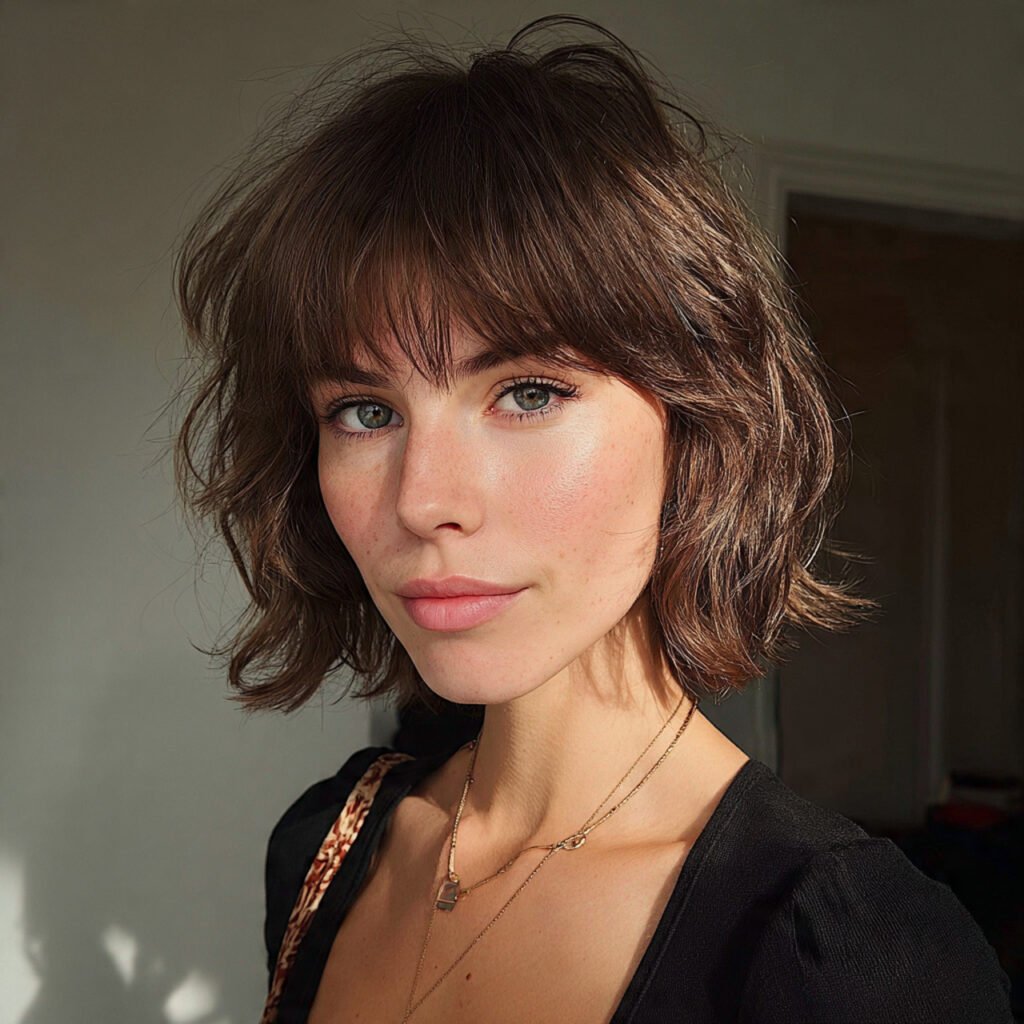
Why It Works
A short shag, heavy layering through a short-to-medium length with significant texture, paired with the soft, face-framing curtain bangs that continue to be one of the season’s most requested details creates one of spring’s most effortlessly beautiful looks. It has a 1970s quality that feels completely current.
How to Wear It
The short shag with curtain bangs looks most beautiful worn with its natural texture, air-dried or diffused for wavy and curly hair, loosely blow-dried for straighter textures. This is not a style that benefits from being fought against, working with the natural texture creates the lived-in, effortless quality that makes it so appealing.
6. The Buzzcut
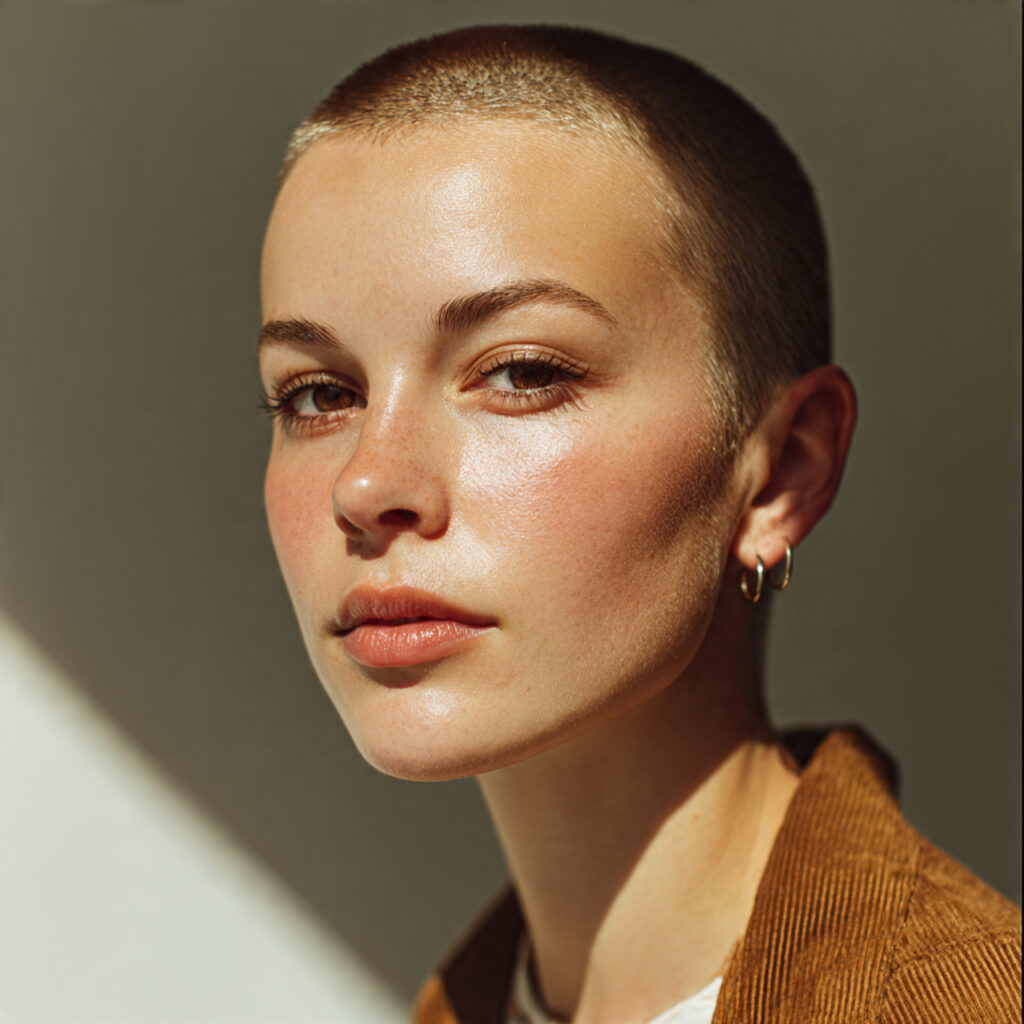
Why It Works
The buzzcut, hair clipped uniformly short all over, from a 3-grade that leaves some visible length to a 1-grade that’s extremely close, is the most radical and most liberating spring haircut available. It’s growing in popularity across all genders and identities, celebrated for its confidence, its simplicity, and its extraordinary face-framing ability.
Who It Suits
The buzzcut is most comfortable for those with well-defined facial features and a strong sense of personal style, the lack of hair as a visual element places every feature front and center. It suits oval, square, and heart-shaped faces particularly well. It’s also one of the lowest-maintenance cuts available, a quality that suits the open, outdoor quality of spring life.
Short cuts deliver maximum transformation, but the medium and long cuts ahead offer equally exciting options with different levels of commitment. Keep going.
Medium Spring Haircuts
Medium-length cuts, roughly chin to collarbone, are the sweet spot of spring haircutting: long enough for styling versatility, short enough to feel genuinely fresh.
7. The Classic Lob (Long Bob)
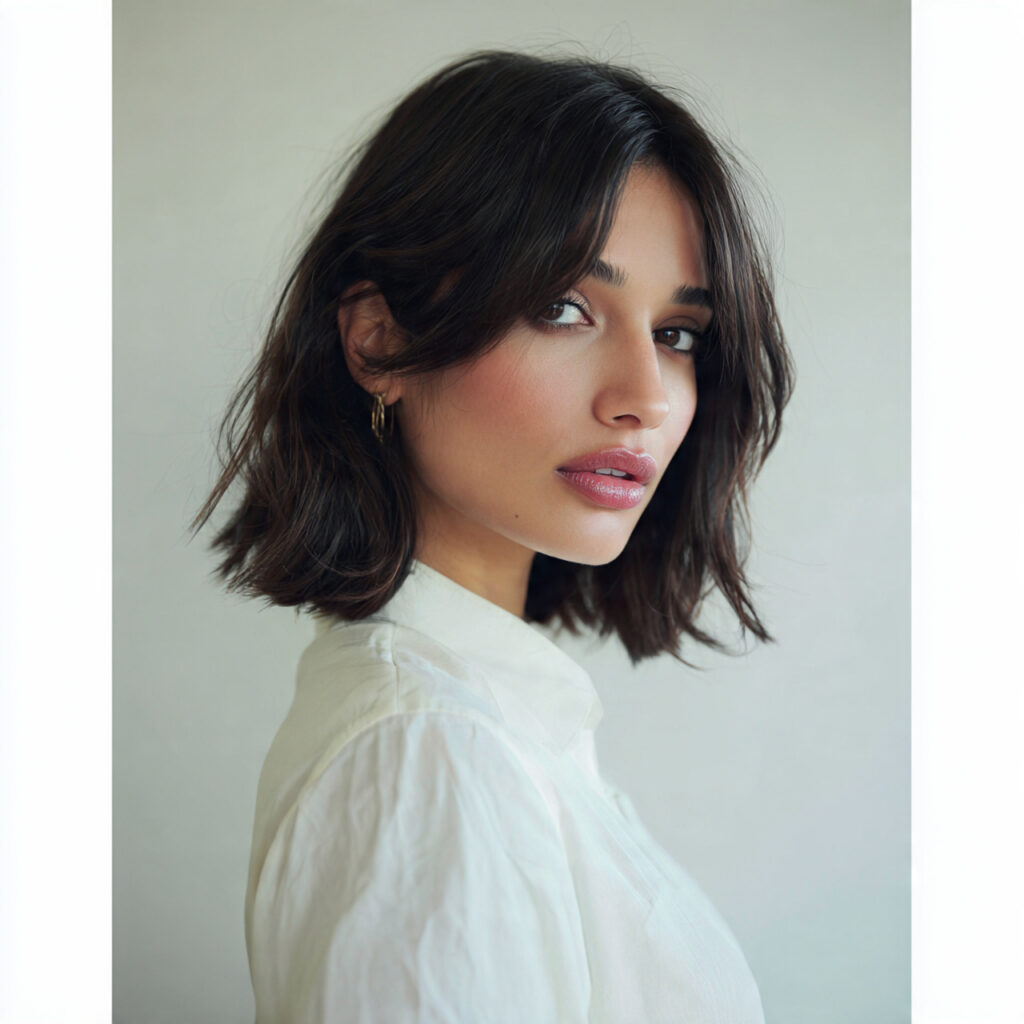
Why It Works
The long bob, collarbone-grazing, with clean or softly textured ends, remains one of the most consistently flattering and most universally requested cuts across every season. In spring, it hits a length that’s long enough for a half-up style or a bun, short enough to feel like a real change from longer winter hair, and perfectly proportioned for the season’s light, easy aesthetic.
How to Customize It
The lob has multiple variations: blunt-cut for maximum graphic impact, textured and piece-y for movement and softness, layered for volume and lightness. Face shape should influence the choice, blunt lobs suit angular faces; softly layered lobs suit rounder faces. A slight curve at the ends, achieved with a round brush on the final blowout, adds an elegant, finished quality.
Common Mistake
Cutting a lob to exactly shoulder length. Shoulder-length hair tends to flip outward at the ends as it catches on the shoulder, creating an unflattering shape. A lob should sit at collarbone level or slightly shorter, the inch or two below the shoulder is the awkward zone.
8. The Curtain Bob
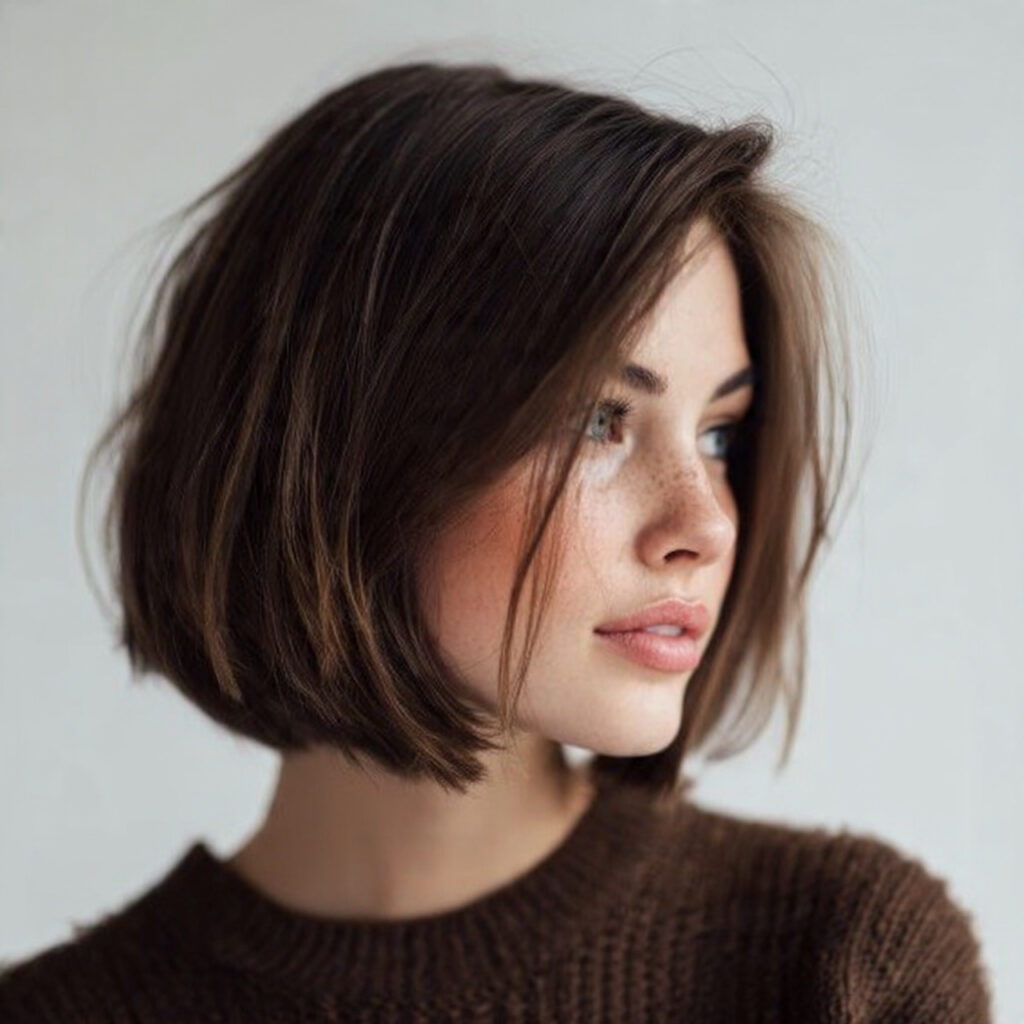
Why It Works
A bob, jaw to chin length, with curtain-style pieces at the front: longer, face-framing sections that tuck behind the ear or fall forward with a gentle curve. The curtain detail softens the geometry of the bob and adds a face-framing quality that makes every feature look its most flattering.
How to Style It
A round brush blowout on the curtain pieces creates the curved, slightly flicked quality that gives this style its name. For a more casual version, a large-barrel wand on the front sections with the rest worn naturally creates a relaxed, everyday version of the same look.
9. The Layered Midi Cut
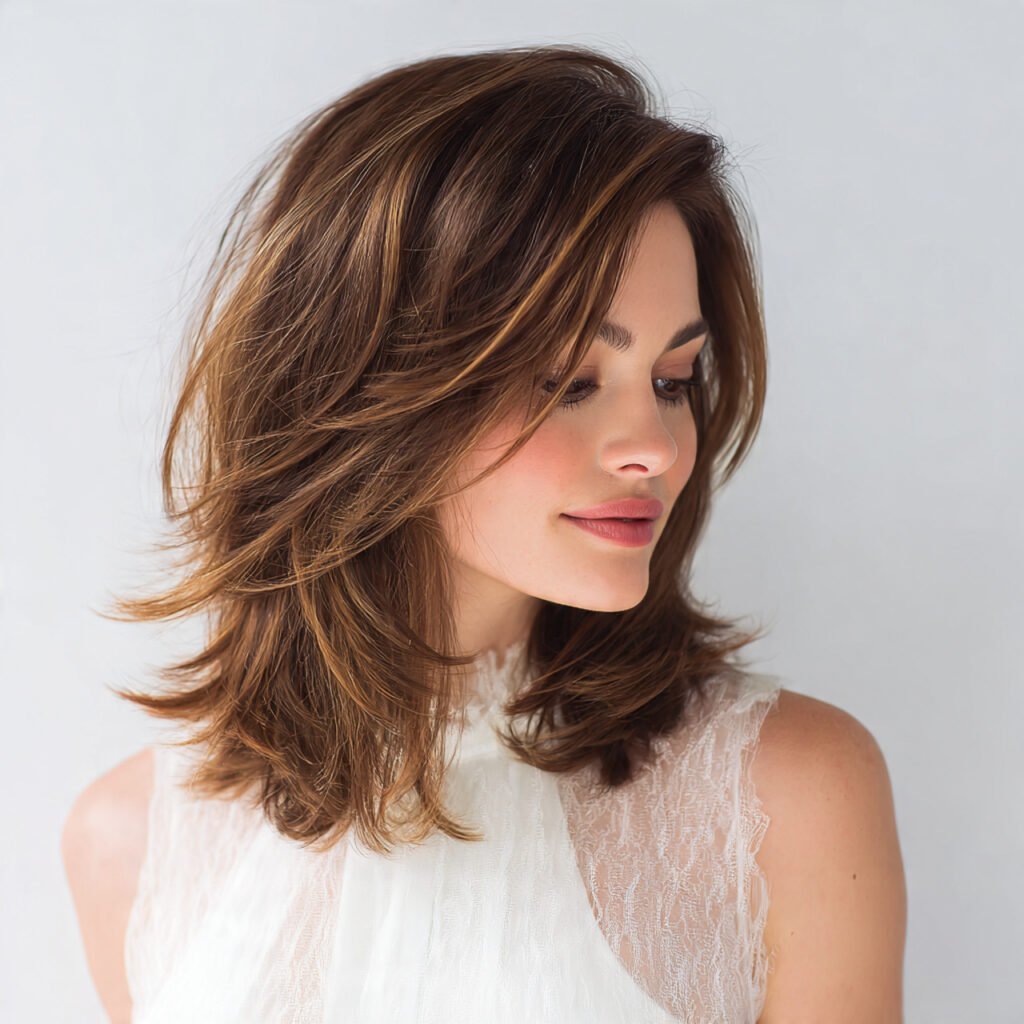
Why It Works
Midi-length hair, between the collarbone and mid-chest, with soft, flowing layers throughout is one of the most universally beautiful spring cuts available. It suits every face shape, every hair texture, and every lifestyle because the layering is adaptable, worn straight, wavy, or in a bun, the cut always looks considered and appropriate.
How to Request It
Ask for “soft, flowing layers through the mid-lengths and ends” rather than “lots of layers”, the latter can result in over-layering that removes too much weight and creates a thin, scraggly appearance. The goal is movement and lightness, not removal of bulk.
Insider Tip
A midi cut with layers is the most forgiving cut for growing out a shorter style, the layers blend different lengths naturally and prevent the in-between awkward stage from looking like a mistake.
10. The Bob With a Blunt Fringe
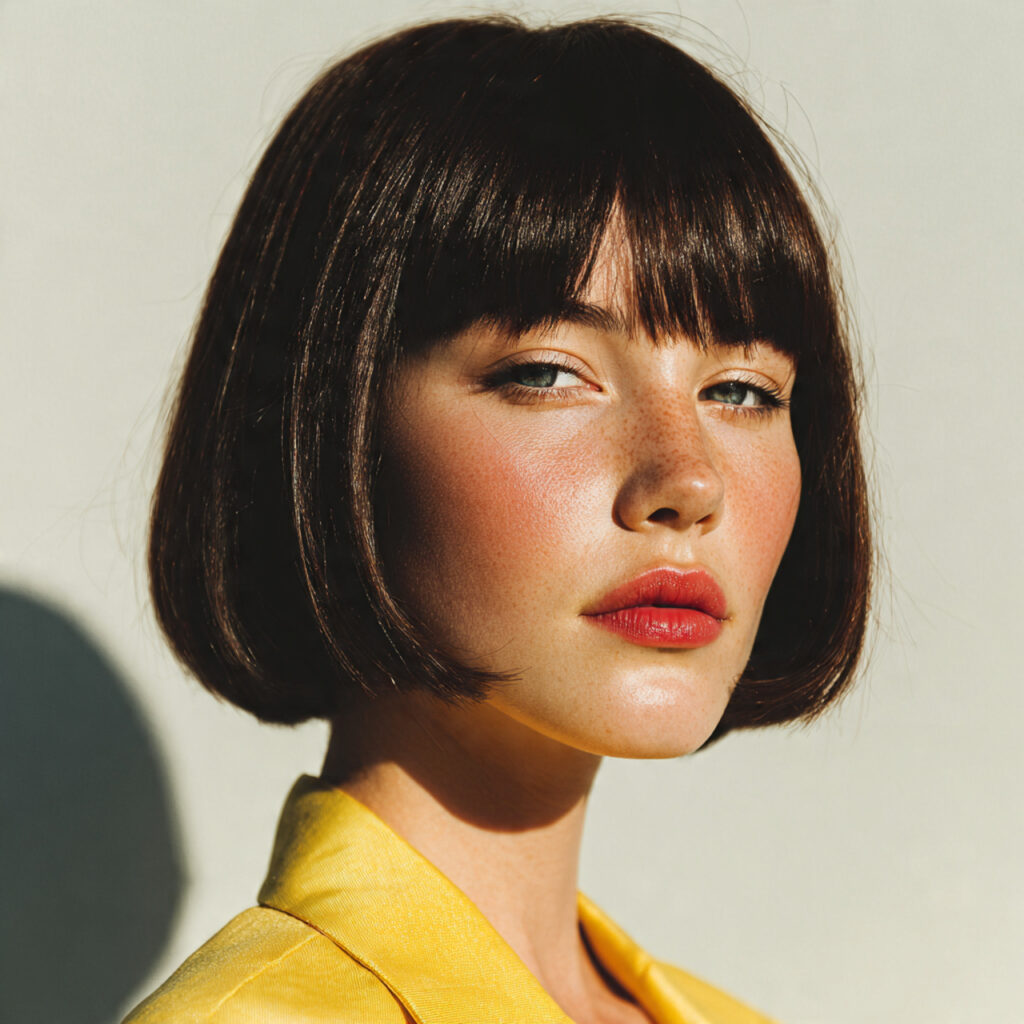
Why It Works
A bob with a blunt, full fringe, the fringe cut straight across at or slightly above eyebrow level, creates the most graphic and most graphic of spring’s medium-length looks. The combination of the structured bob line and the strong fringe creates a very particular confidence: deliberate, considered, impossible to mistake for accidental.
Who It Suits
The blunt fringe bob suits oval and oblong faces particularly well, where the horizontal line of the fringe adds width and creates visual balance. On rounder faces, a fringe that’s slightly longer at the sides than the center creates a more flattering effect.
11. The Shag Haircut
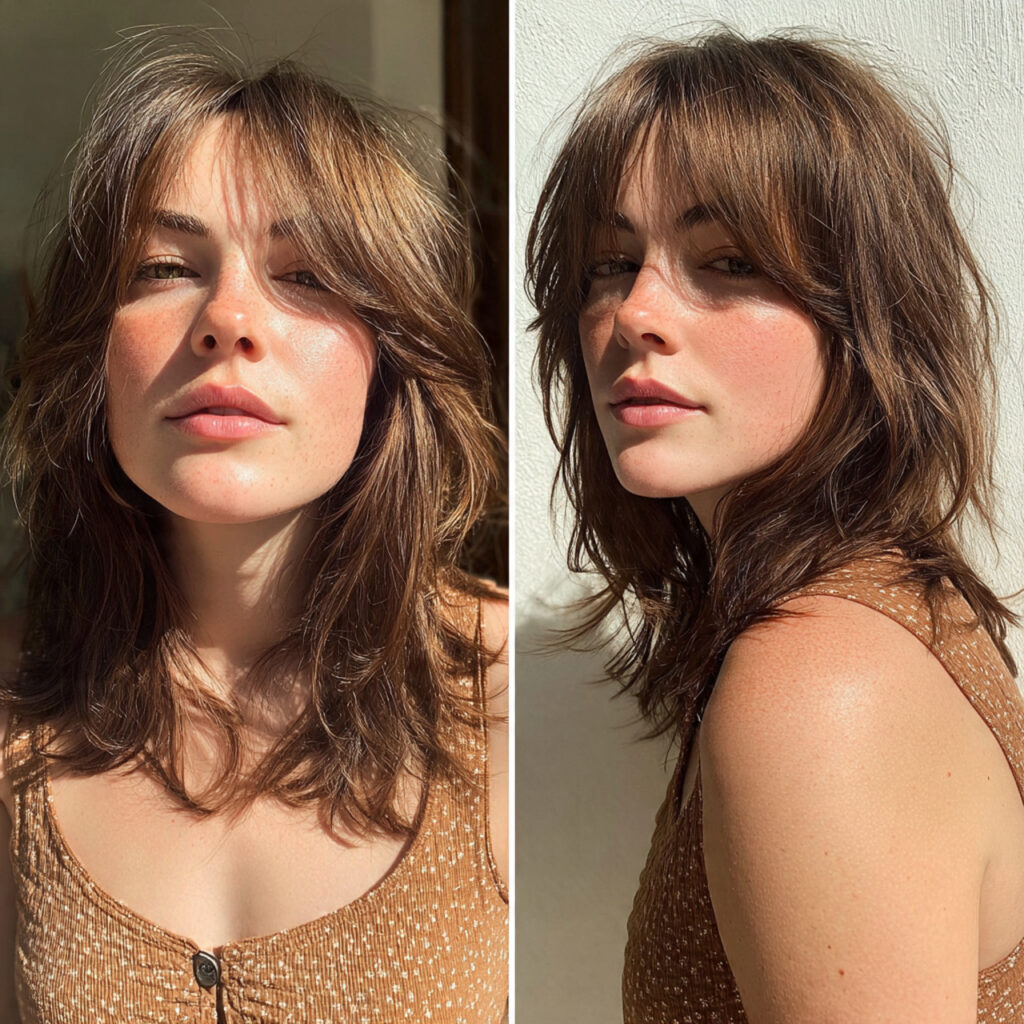
Why It Works
The shag, heavily layered, with a choppy, textured quality and often paired with curtain bangs, is the defining medium-length haircut of the current era, and spring is its best season. The warmth and humidity of spring air naturally enhances the shag’s textured, lived-in quality, making it look more effortless than in drier winter conditions.
How to Request It
Be specific about the degree of texture, a light shag has some layering but maintains weight; a heavy shag is dramatically layered with significant texture throughout. Your hair’s natural texture heavily influences which version will work best: fine hair typically benefits from a lighter shag that doesn’t remove too much weight; thick hair can handle heavier layering.
12. The Asymmetrical Bob
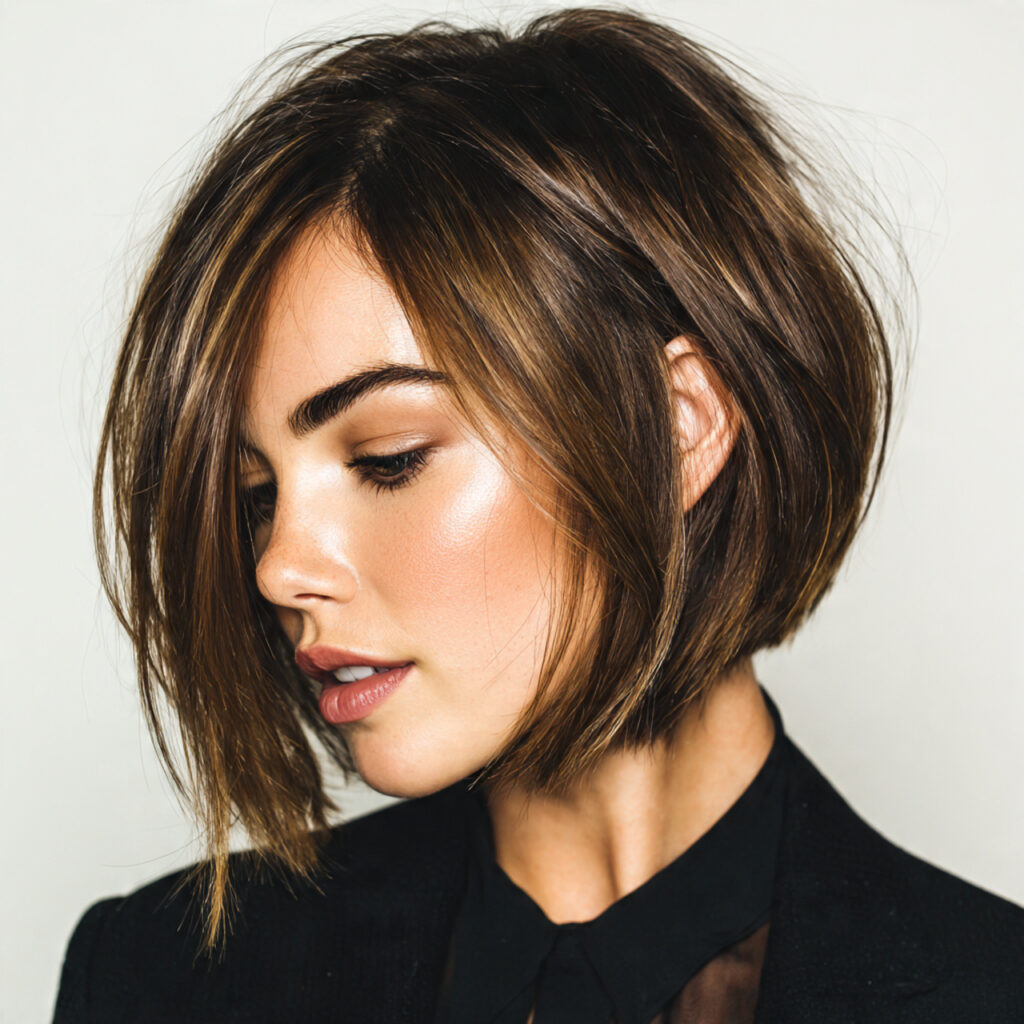
Why It Works
An asymmetrical bob, longer on one side than the other, with the difference ranging from subtle to dramatic, creates a visual interest and movement that a symmetrical cut can’t achieve. It’s a spring cut for those who want something genuinely distinctive rather than a variation on a classic.
How to Wear It
The longer side is typically worn forward, tucked behind one ear, or blown smooth for a sleek effect. The shorter side sits close to the jaw or ear. The asymmetry becomes most visible in motion, walking, turning, moving through a day, which gives the cut a dynamic quality that photographs beautifully.
This is a great moment to save your favorites, the long haircuts and finishing detail ideas ahead cover every remaining style category beautifully.
Long Spring Haircuts
Long cuts feel like spring updates through layering, shaping, and the specific techniques that add lightness and movement without sacrificing length.
13. The Butterfly Cut
Why It Works
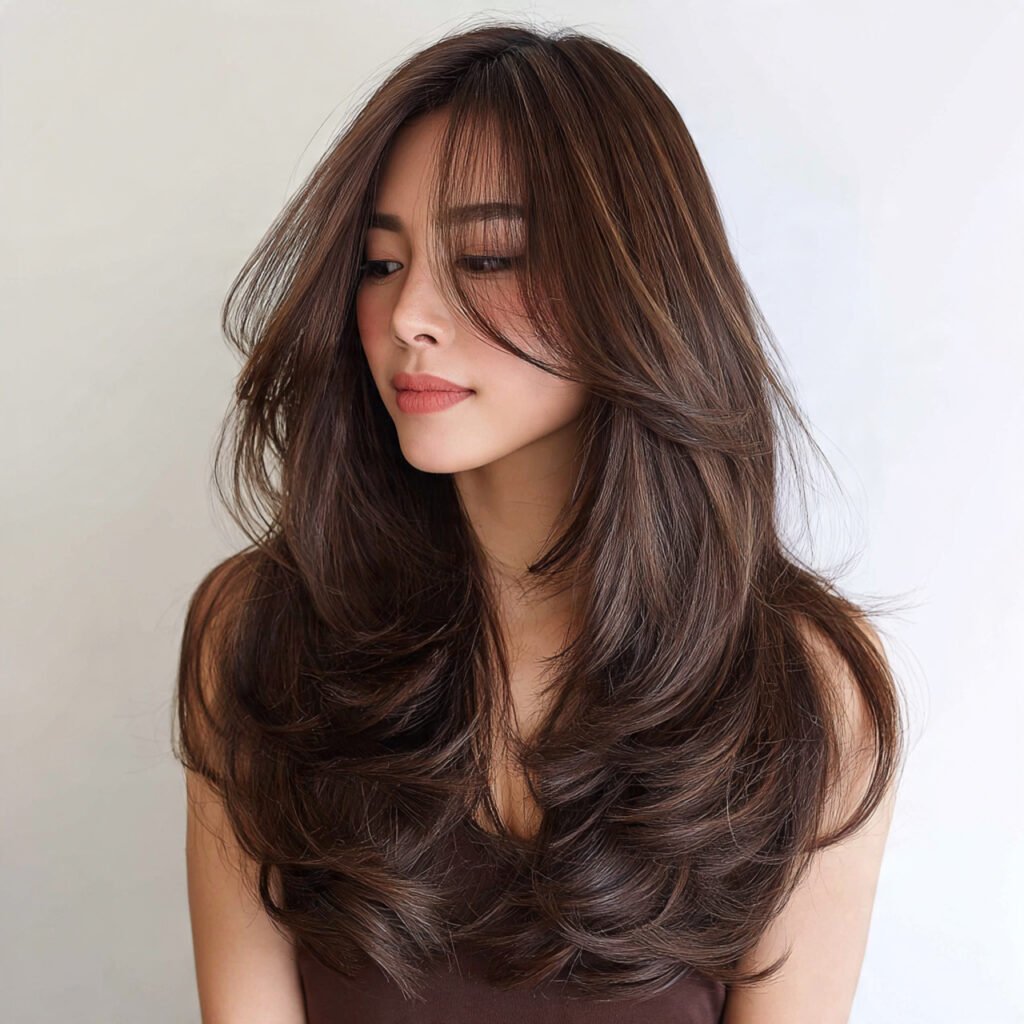
The butterfly cut, named for its wing-like layering at the crown that creates volume and movement, is the defining long haircut of the current season. It creates the appearance of two distinct layers: shorter, voluminous layers at the crown that add lift and movement, and longer layers through the lengths that maintain the overall length impression.
How to Request It
Ask your stylist for “butterfly cut layers” with specific guidance on how short the crown layers should be. A more dramatic butterfly has crown layers that are very short and very separated from the lengths; a more subtle version has crown layers that blend more gradually into the longer lengths beneath.
14. Long Layers With Face-Framing
Why It Works
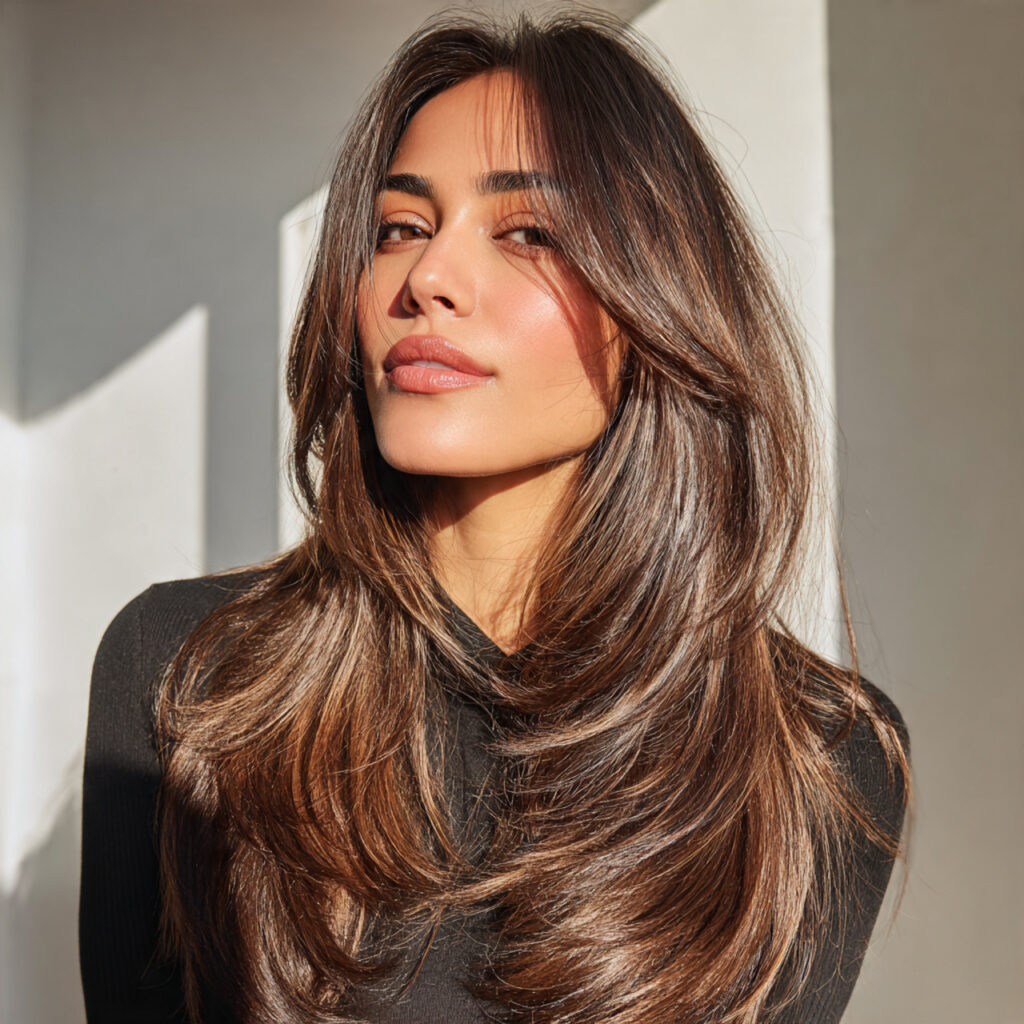
Long layers throughout the length of the hair, with specific face-framing pieces cut to fall around the face, longer than a standard fringe but shorter than the main length, create the most universally flattering long haircut available. The face-framing pieces brighten the face, direct attention to the eyes, and give the cut an intentional, styled quality that uncut long hair lacks.
How to Style Them
Face-framing pieces are most beautiful when curled or waved slightly outward, a large-barrel wand on these sections creates the open, flattering frame that defines the look. Worn straight, they frame more closely and create a sleeker impression.
15. The Long Shag
Why It Works
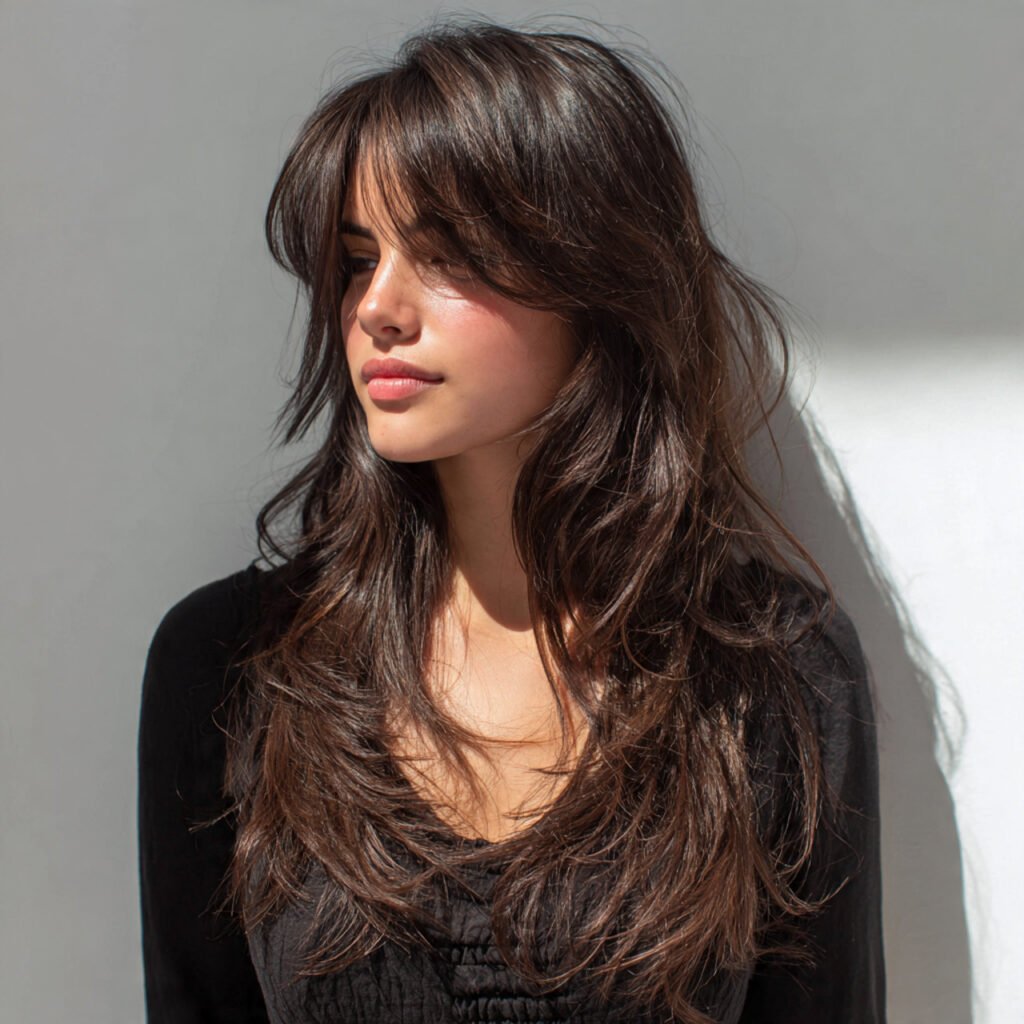
A long shag, the same heavily textured, layered approach applied to long rather than medium-length hair, creates one of the most movement-rich and most effortlessly stylish long spring cuts. The long shag looks particularly beautiful in wavy or naturally textured hair, where the layers enhance the natural texture rather than fighting it.
How to Maintain It
Long shag cuts look their best when the layers are regularly dusted, a trim of just the ends every 8-10 weeks, to maintain the textured quality and prevent the style from growing out into shapeless length.
16. A V-Cut or U-Cut at the Ends
Why It Works
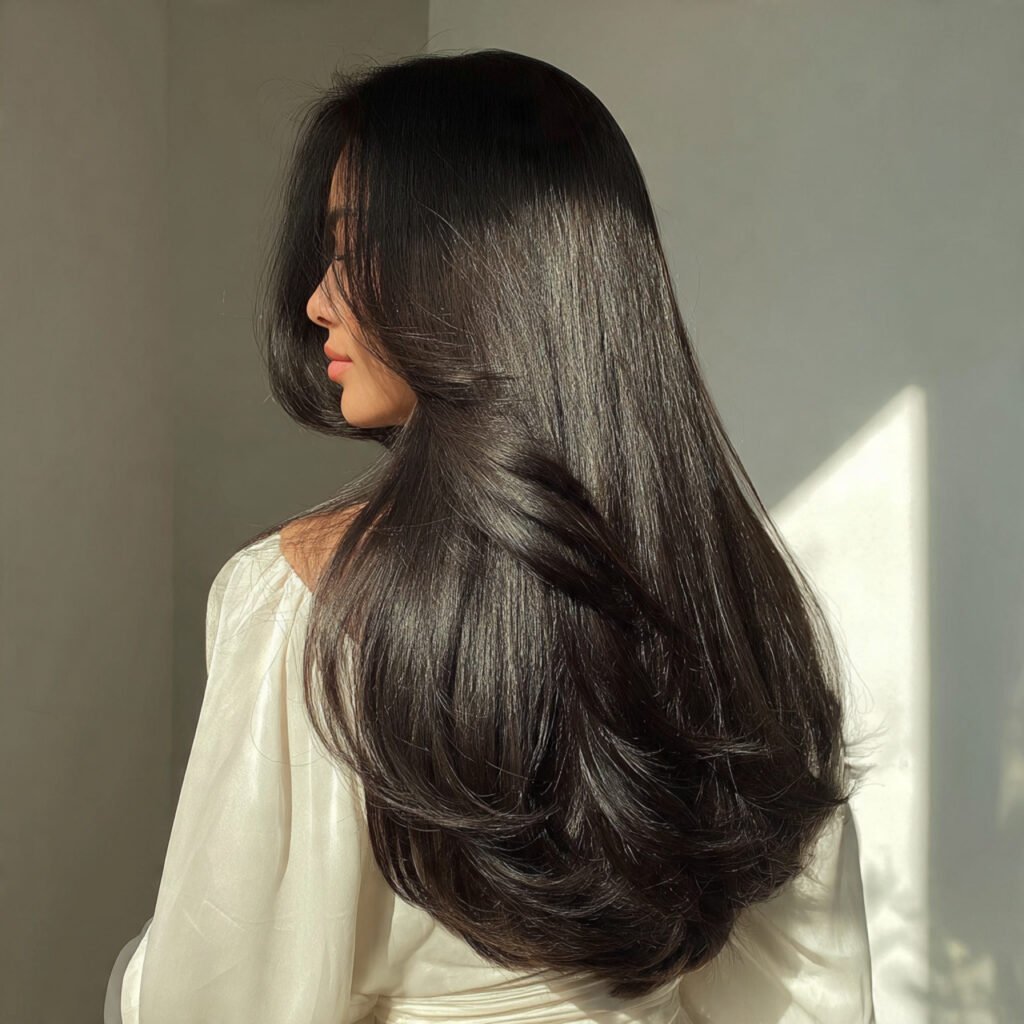
The shape at the ends of long hair significantly affects the entire cut’s quality. A V-cut, hair cut to a subtle or pronounced V point at the center back, creates movement and a deliberate shape. A U-cut, a gentle rounded curve, creates fullness and weight. Both are alternatives to the standard straight-across cut that can make long hair look unfinished.
How to Choose
V-cuts create the impression of narrowing and elongating, and look most beautiful in straight or wavy hair where the V shape is visible. U-cuts create roundness and fullness, and suit those whose hair naturally falls in a rounded shape or who prefer a softer, more organic end to their length.
17. The Curtain Bang Addition to Any Length
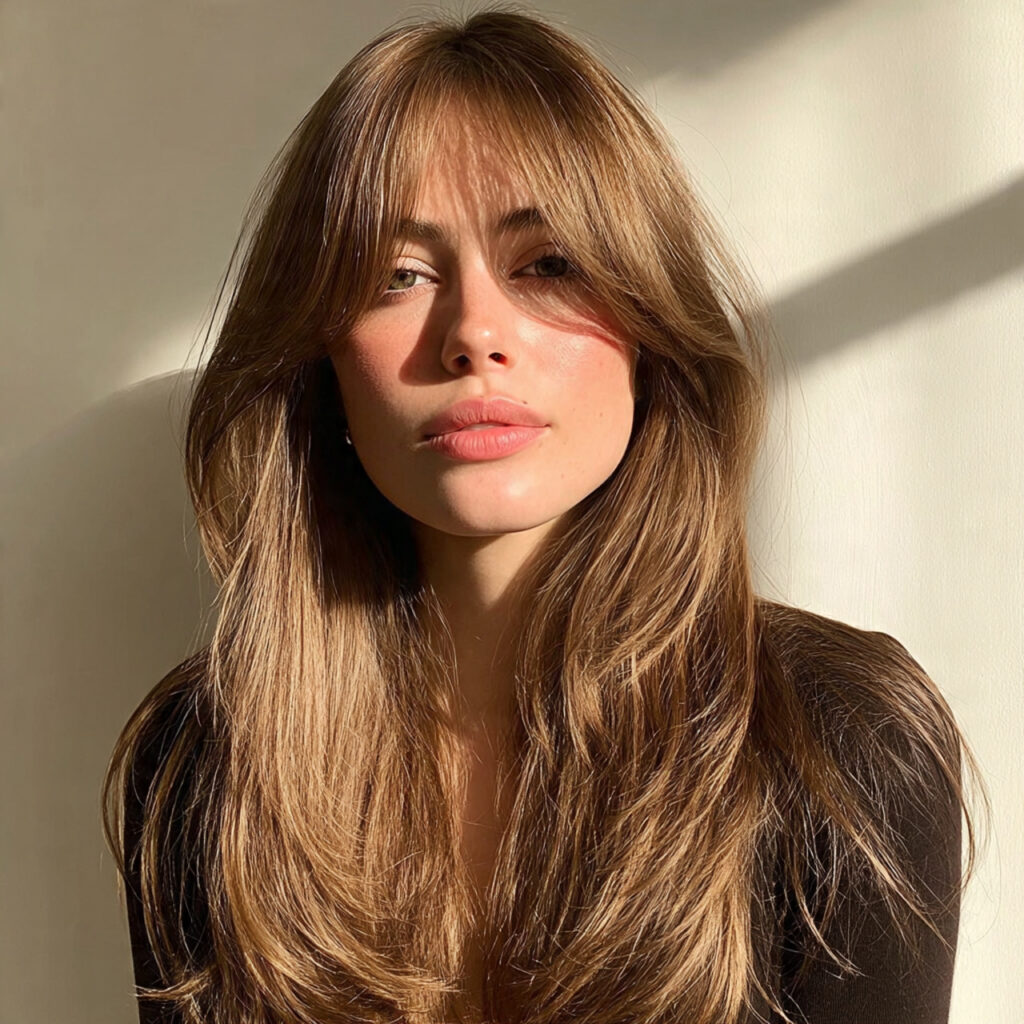
Why It Works
Curtain bangs, a fringe separated down the center and swept to either side of the face, are not a haircut in themselves but an addition to any existing cut that transforms the face-framing quality of the overall style. Added to a lob, a long layer, or even a one-length cut, curtain bangs immediately update and refresh the look without requiring any significant length change.
How to Request Them
Ask for curtain bangs that start at the crown and reach to approximately cheekbone or jaw level, this length gives the most styling versatility and the most flattering face-framing effect. Specify whether you want them to be wispy and fine or slightly fuller depending on your preference and your hair’s density.
Common Mistake
Cutting curtain bangs too short. Curtain bangs that sit at eyebrow level or shorter become standard bangs rather than curtain bangs, they lose the face-framing, side-swept quality that makes curtain bangs so universally appealing. Err longer: cheekbone length is the most versatile and most forgiving starting point.
18. A Single-Length Long Cut With Blunt Ends
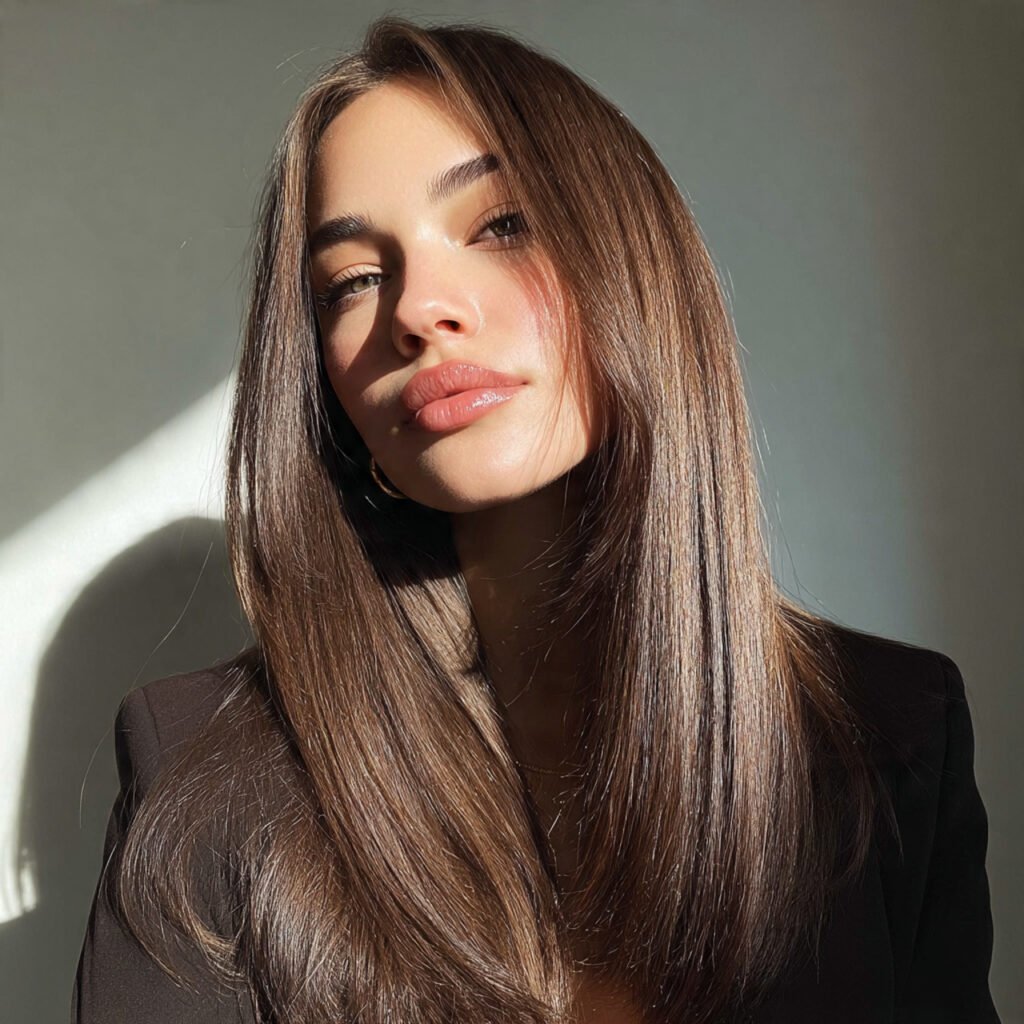
Why It Works
A single-length cut, all the hair cut to exactly one length with no layers, has a graphic, model-like quality when the ends are blunt-cut and healthy. It’s a bold choice for spring because it relies entirely on the hair’s health and shine rather than layering and texture to create impact. When the hair is in excellent condition, it’s genuinely extraordinary.
How to Maintain It
A single-length cut shows split ends and damage more obviously than a layered cut, there’s no texture to hide imperfection. Trimming every 6-8 weeks, using heat protection consistently, and weekly deep conditioning keeps the blunt ends looking intentional rather than neglected.
Spring Cuts for Every Hair Texture
19. For Fine Hair: The Collarbone Bob With Layers
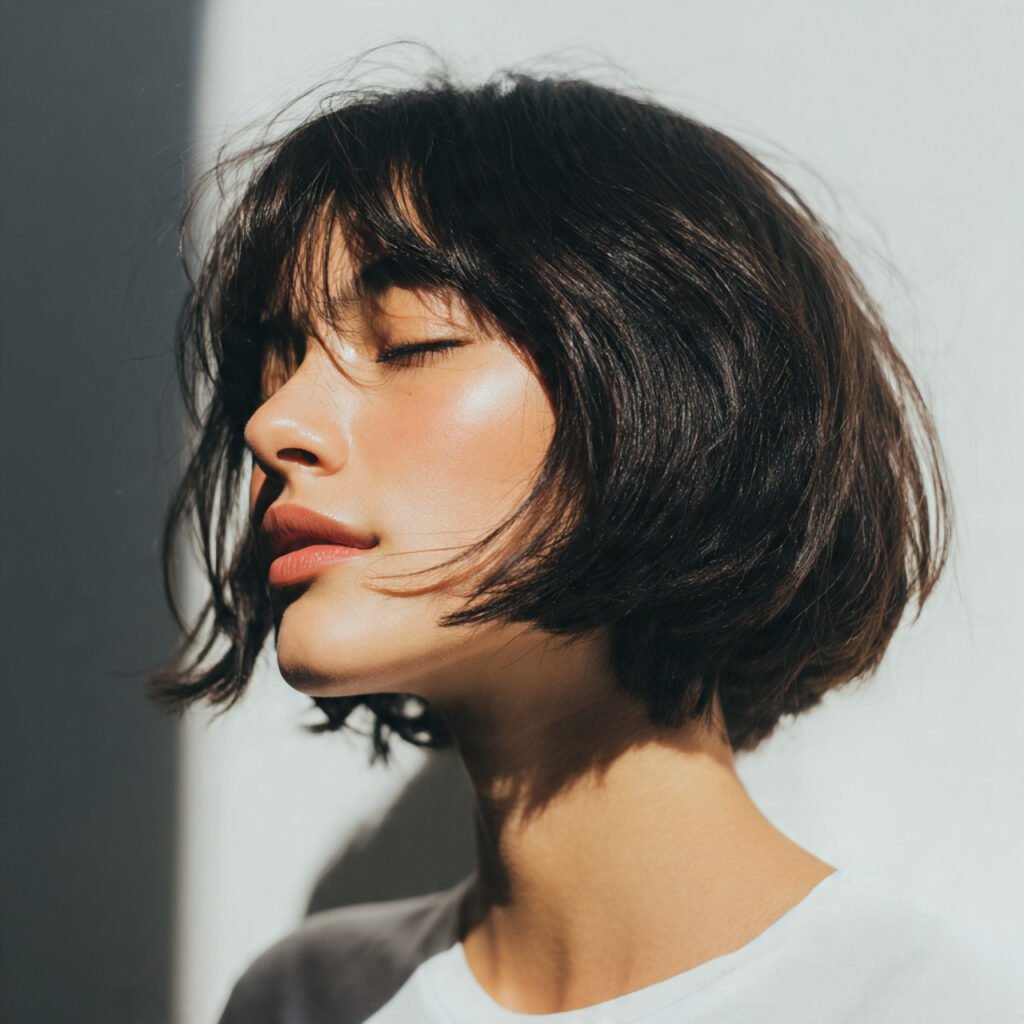
Why It Works
Fine hair benefits enormously from a cut that removes length that’s weighing it down. A collarbone-length bob with soft layers through the mid-lengths removes the weight of very long fine hair while the layering creates the internal movement and volume that straight, single-length fine hair can’t achieve.
Insider Tip
Ask for “interior layering” rather than surface layers on fine hair, layers cut underneath the top surface add movement without removing the visual thickness that fine hair needs to look full.
20. For Thick Hair: The Long Shag With Thinning
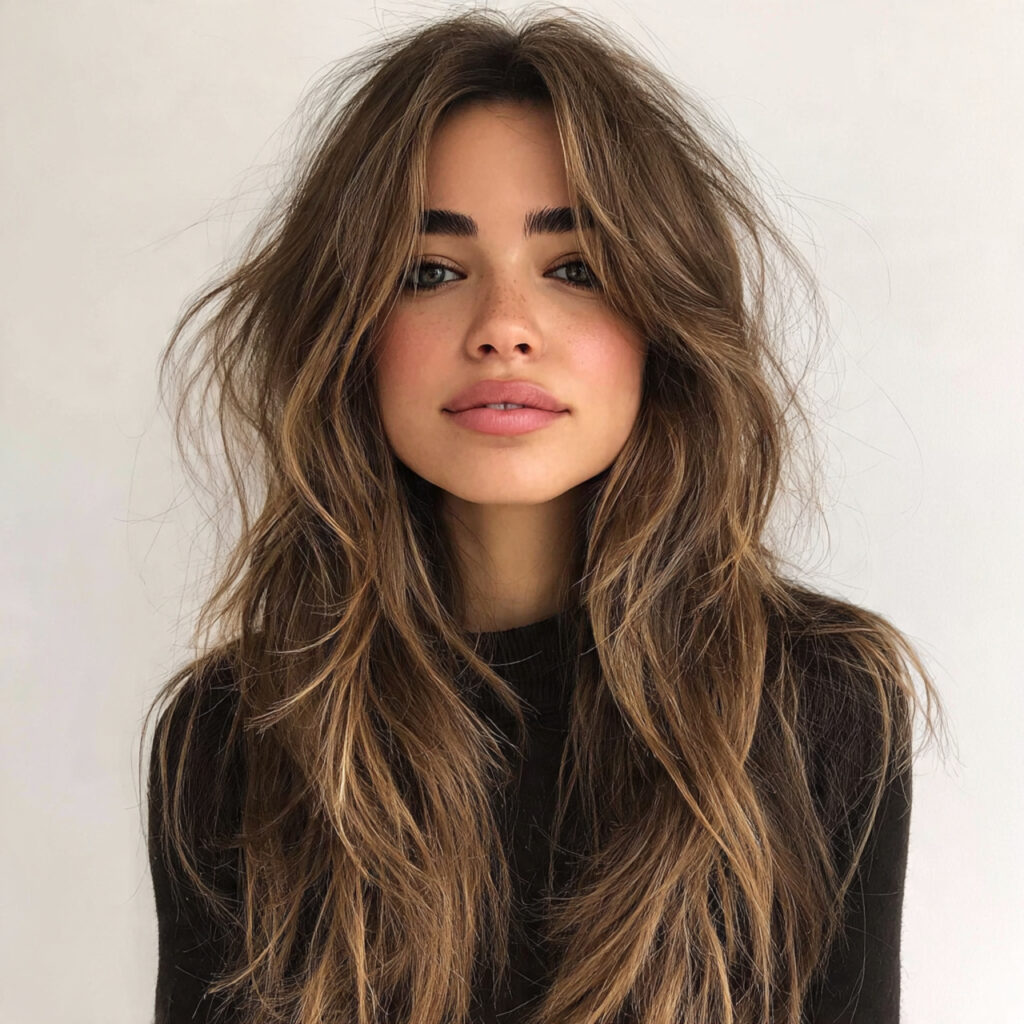
Why It Works
Thick hair responds dramatically to a shag cut because the layering removes bulk and weight while the texture creates movement. Adding thinning to selected sections, used judiciously, reduces the dense quality that can make thick long hair feel heavy and difficult to manage in spring humidity.
Common Mistake
Over-thinning. Thinning shears remove significant amounts of hair quickly, and stylists who over-thin create a result that’s too light and too fragile. Thinning should be targeted and moderate, enough to create movement and reduce bulk, not enough to compromise the hair’s structure.
21. For Curly Hair: The DevaCut or Curl-Specific Cut
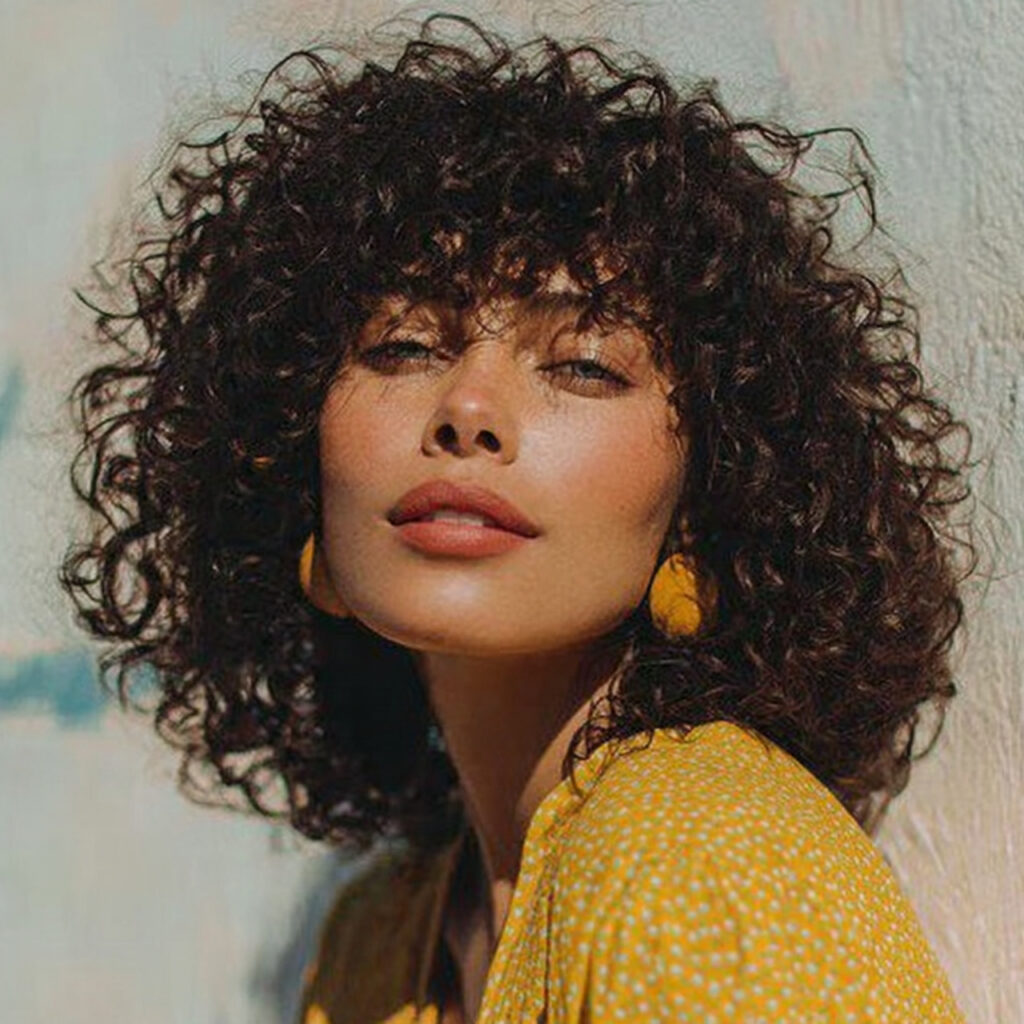
Why It Works
A DevaCut, or any dry-cut approach designed specifically for curly hair, cuts each curl individually in its natural dried state rather than cutting the hair wet and straight. The resulting cut honors the specific way each section of curly hair moves and falls naturally, creating a shape that works with the curl rather than against it.
How to Request It
Ask specifically for a “dry curl cut” or “DevaCut” and bring reference images of curly cuts (rather than straight-hair reference images that a stylist can’t accurately adapt to curly texture). A curl-specialist stylist is worth seeking out specifically for this appointment, the technique difference is significant.
22. For Wavy Hair: The Lob With Soft Layers
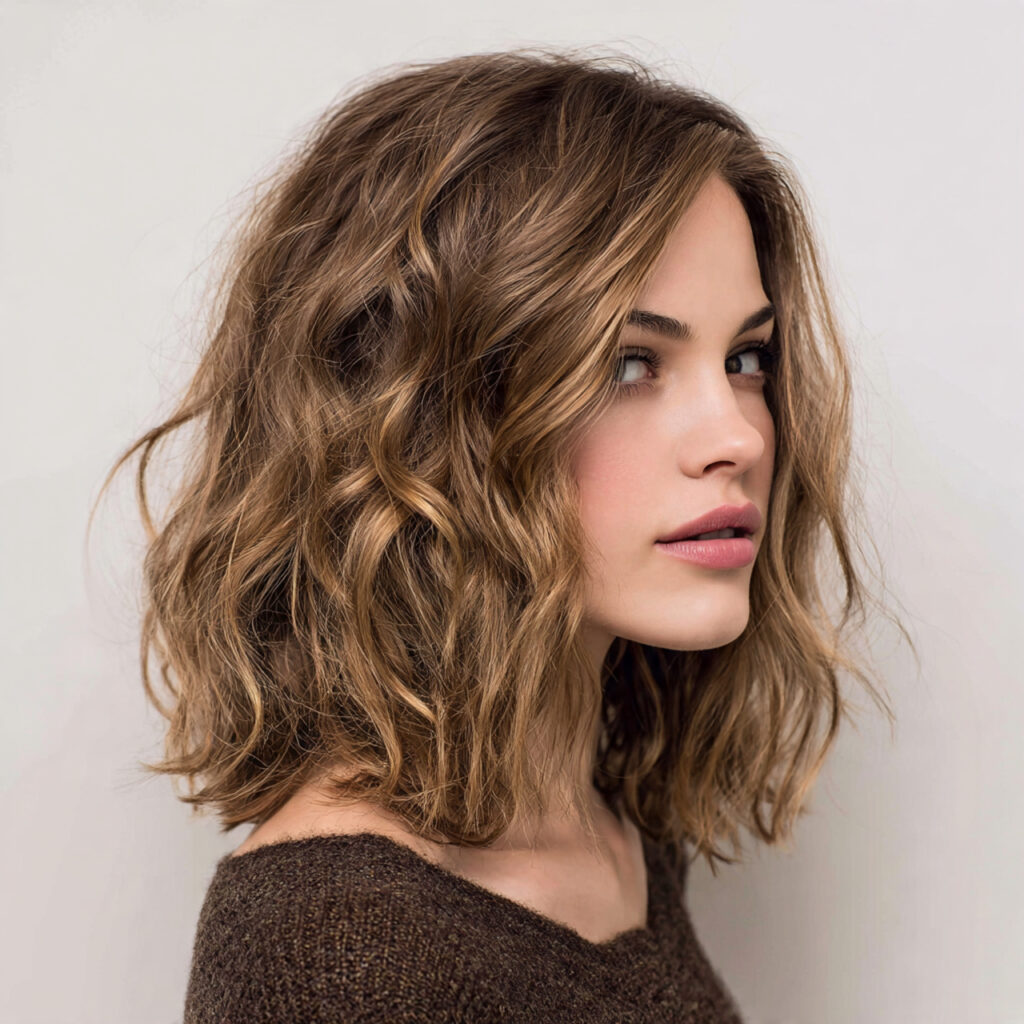
Why It Works
Wavy hair in a lob with soft layers is one of the most naturally beautiful hair combinations available, the wave provides movement, the lob provides shape, and the layers prevent the wave from becoming weighed down or shapeless. Spring humidity actually benefits this combination, adding natural wave enhancement that keeps the style looking freshly styled with minimal effort.
The Finishing Details That Make Any Spring Cut Extraordinary
23. Ask for a Brazilian Blowout or Smoothing Treatment
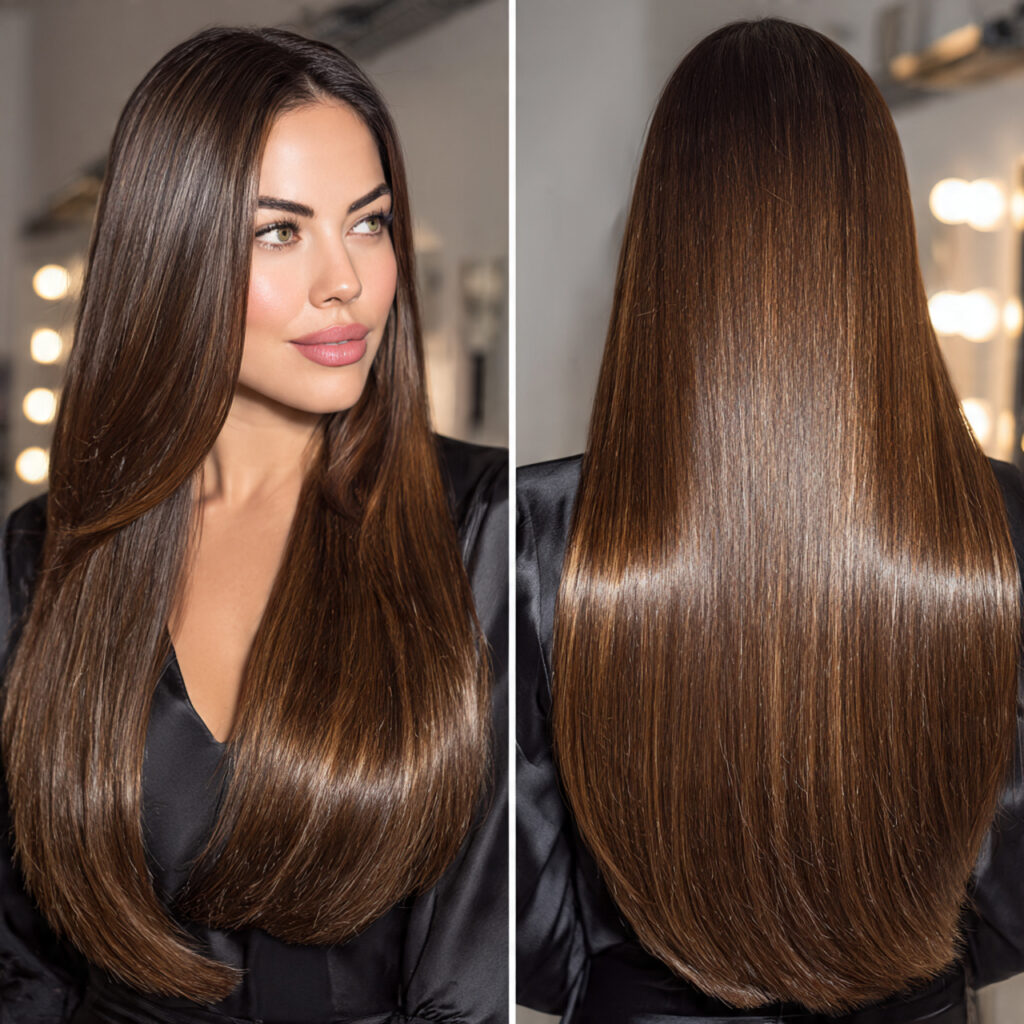
Why It Matters
A smoothing treatment applied after a spring cut eliminates frizz, adds extraordinary shine, and extends the life of the cut by making daily styling significantly faster and easier. Spring humidity, which makes wavy and curly hair unpredictable, is the primary reason smoothing treatments are most requested in this season.
24. Request a Gloss Finishing Treatment
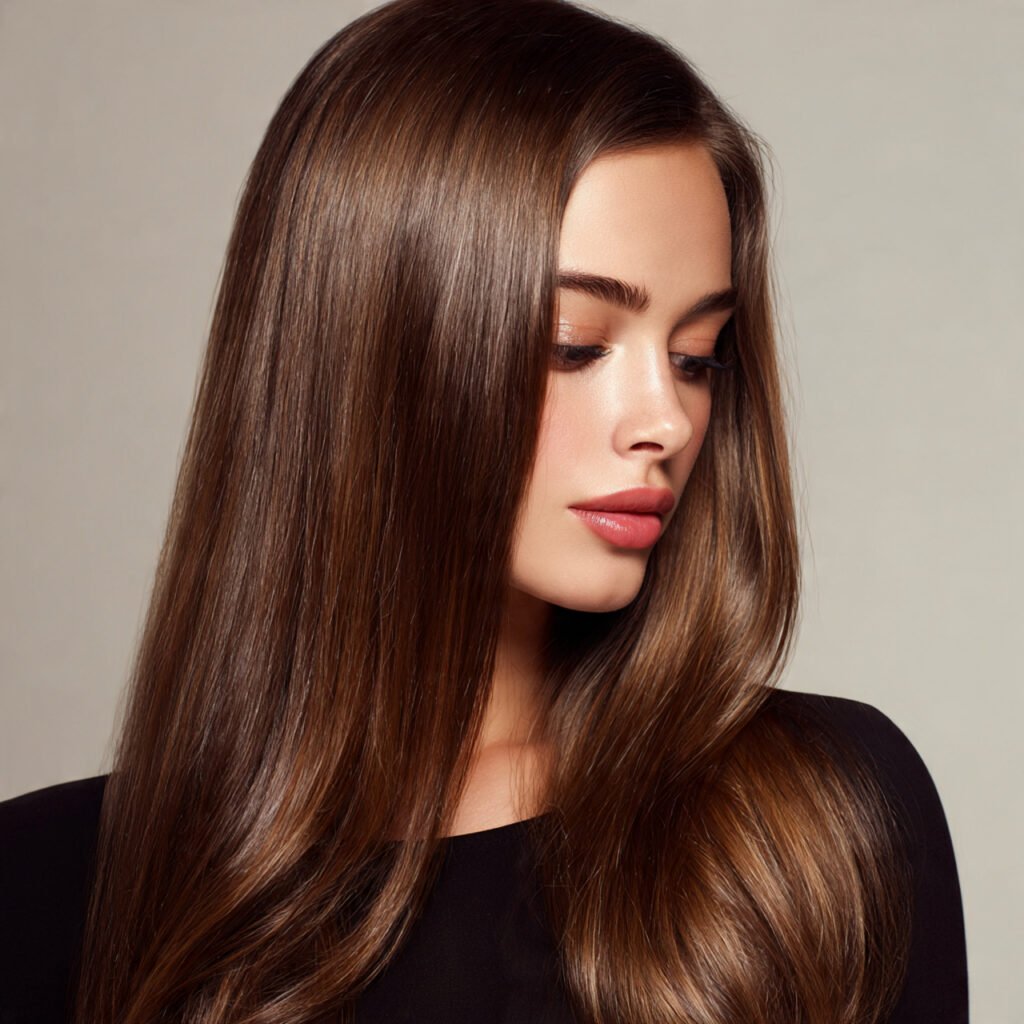
Why It Matters
A clear or tinted gloss applied after cutting seals the freshly cut ends, adds extraordinary surface shine, and creates the healthy, polished quality that makes a fresh cut look salon-perfect for weeks. It’s an affordable add-on that dramatically improves the look and longevity of any spring haircut.
25. Get Your Ends Dusted, Not Just Trimmed
Why It Matters
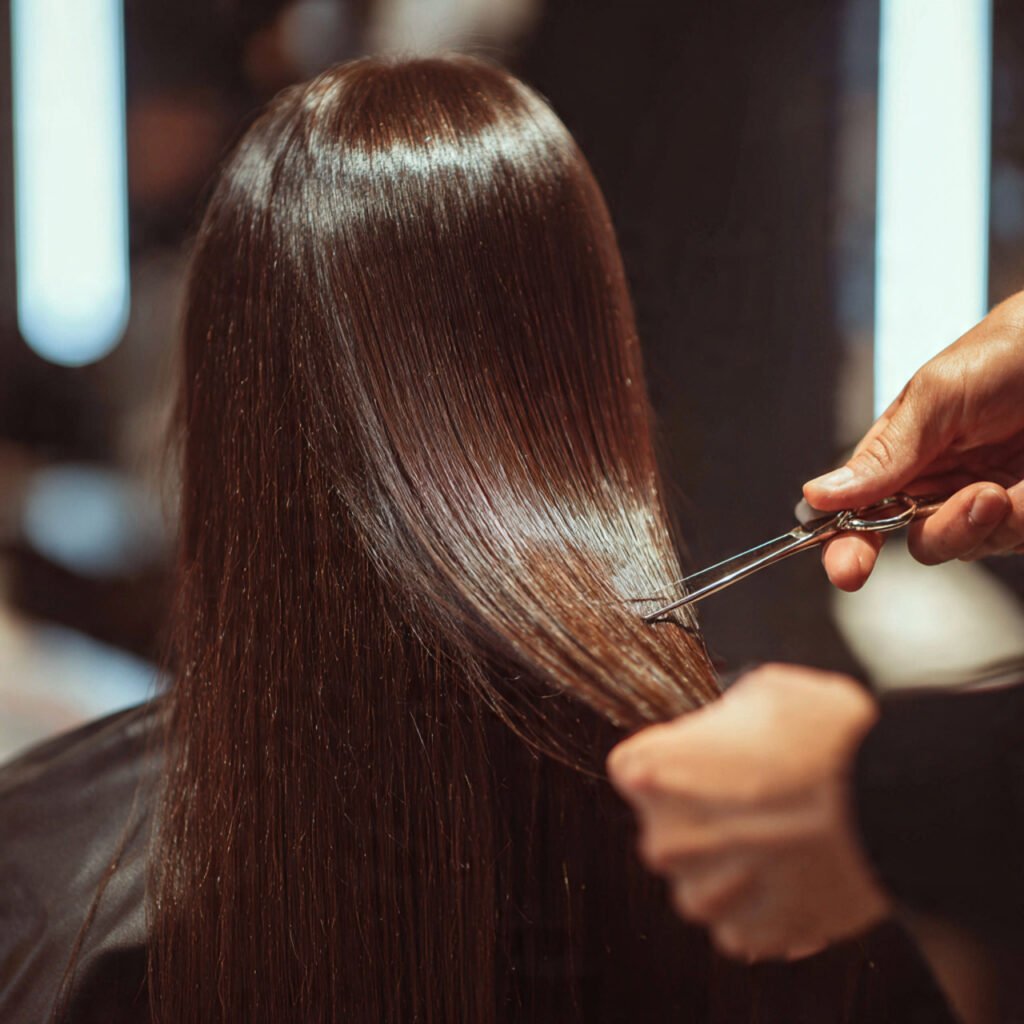
“Dusting”, removing the very ends of the hair (a quarter inch or less) without any noticeable length change, is the most hair-preserving regular maintenance approach available. For those growing their hair, a regular dusting every 8 weeks prevents split ends from travelling up the hair shaft without the length sacrifice of a standard trim.
26. Discuss a Seasonal Haircut Schedule With Your Stylist

Why It Matters
The best spring haircut isn’t a single appointment, it’s the beginning of a seasonal haircut plan that accounts for how the cut will grow over summer, what shape it will naturally take as it grows, and when the next appointment should be to maintain the look at its best. This conversation at the spring appointment sets up the entire hair year for success.
27. The Reference Image Conversation

Why It Matters
Reference images are the most important communication tool in a haircut appointment, and bringing multiple images that show different aspects of the desired result (one showing the shape, one showing the texture, one showing the styling) gives your stylist the most complete picture of what you’re after.
Insider Tip
Always bring images of the hair texture and styling approach, not just the cut shape. A beautiful blunt bob worn smooth and sleek requires completely different styling than the same cut worn textured and piece-y, both the cut and the styling technique need to match the reference.
28. Know Your Face Shape Before You Go
Why It Matters
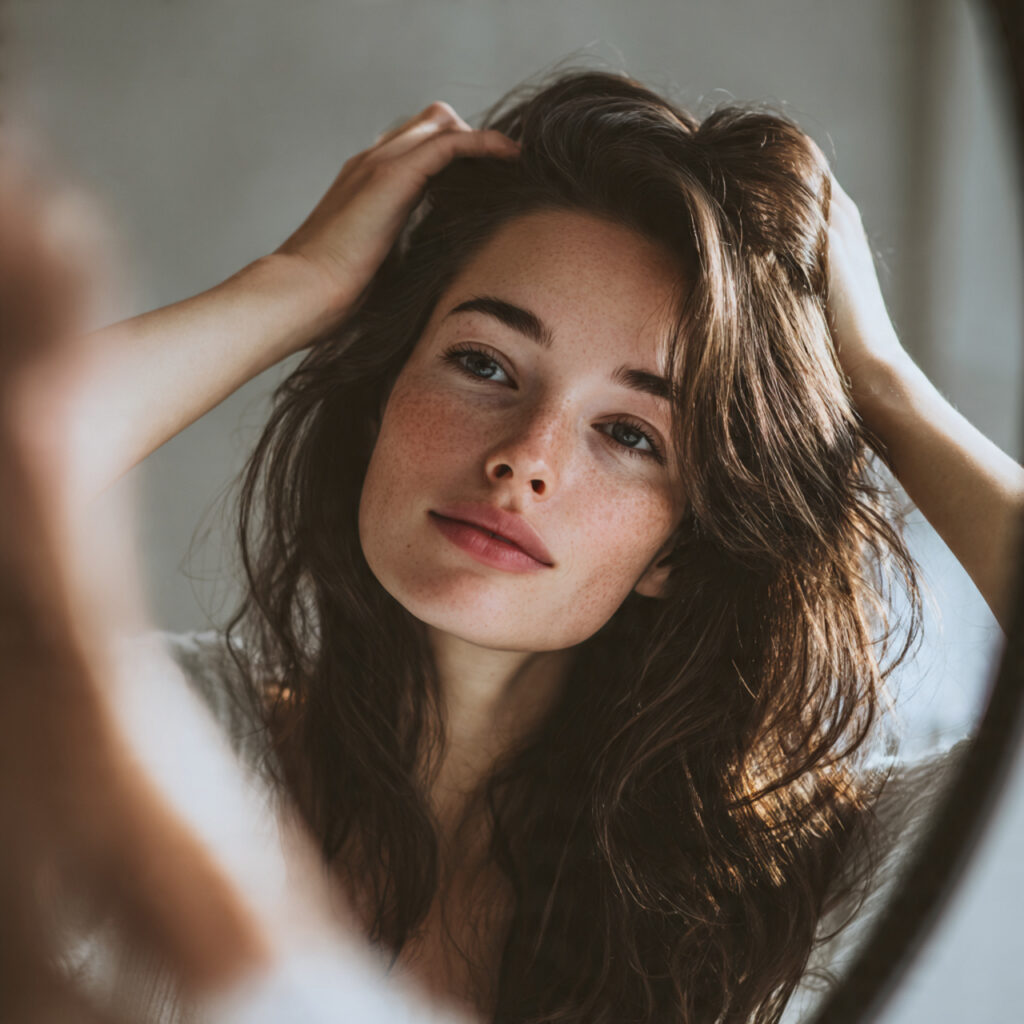
Face shape is the single most reliable guide to which cut lengths and shapes will be most flattering, and understanding your own face shape makes salon conversations significantly more productive. Oval faces suit almost any cut. Round faces benefit from cuts that add height or length. Square faces suit soft layering and curves that soften angles. Heart-shaped faces suit width at the jaw to balance a wider forehead.
29. The Post-Cut at-Home Routine
Why It Matters
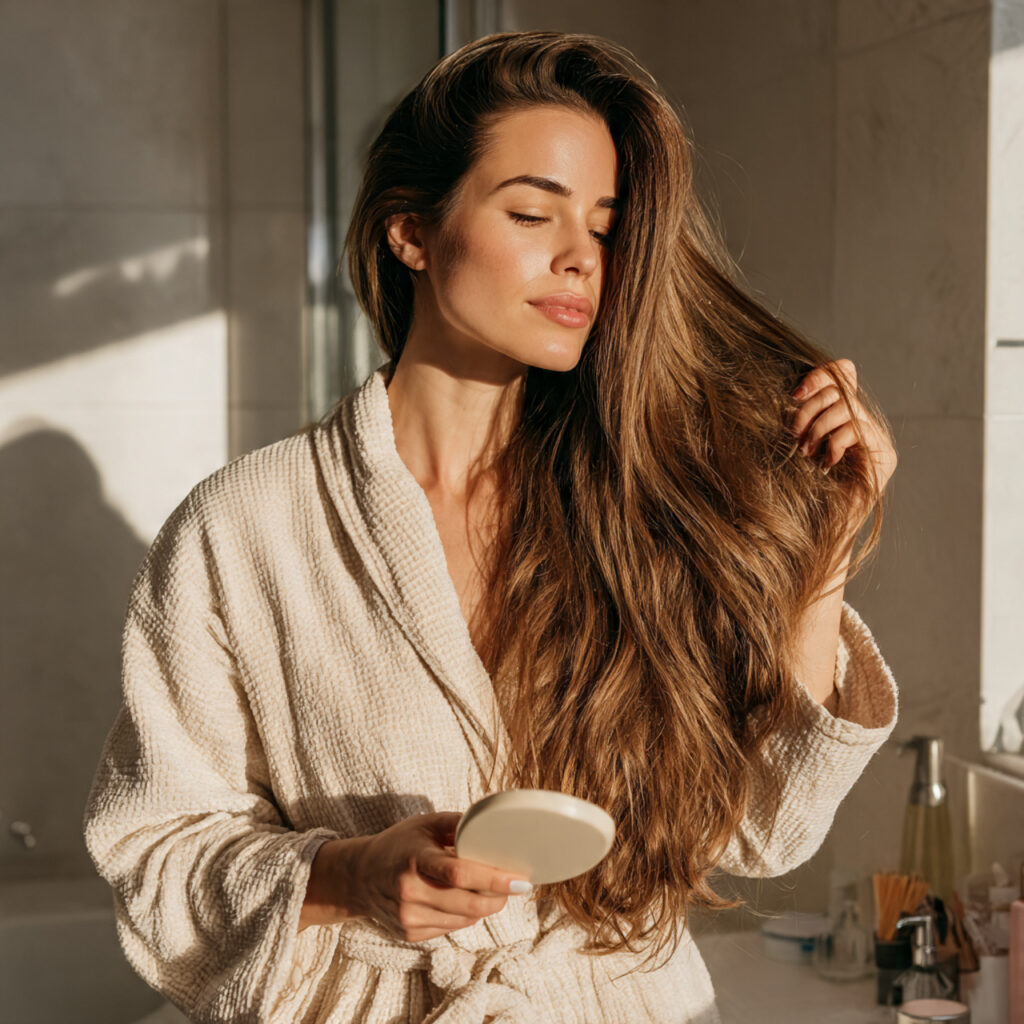
A spring haircut looks its most beautiful when maintained at home with the right approach: a sulfate-free shampoo, a conditioner appropriate for the hair type, heat protection before every heated styling tool, and a regular deep conditioning treatment. The cut provides the shape; the at-home routine keeps it looking its best until the next appointment.
The Most Important Single Step
Ask your stylist at the appointment to show you exactly how they’re styling the cut and what products they’re using. The technique matters as much as the product, watching the stylist work and asking questions about each step gives you the information to recreate the look independently.
This Spring, Your Hair Gets to Start Something New
Here’s what every cut in this guide shares: intention. Every one of these haircuts is a deliberate choice, a decision made about what the hair should do and how it should feel. Not a default, not a maintenance trim, not “just a little off the ends” when what you actually want is something genuinely different.
Spring is the season that makes those decisions easiest. Something about the air, the light, the temperature finally lifting, it all conspires to make you feel ready for change in a way that January and October never quite manage.
Your next salon appointment is your spring opener. Save the cut that made you feel something. Take the reference images. Have the full conversation.
Then walk out into spring wearing hair that says exactly what you wanted it to say.
Because the best spring haircut isn’t the most dramatic one. It’s the one that finally feels like you.