20 Gorgeous Hairstyles for Women Over 50
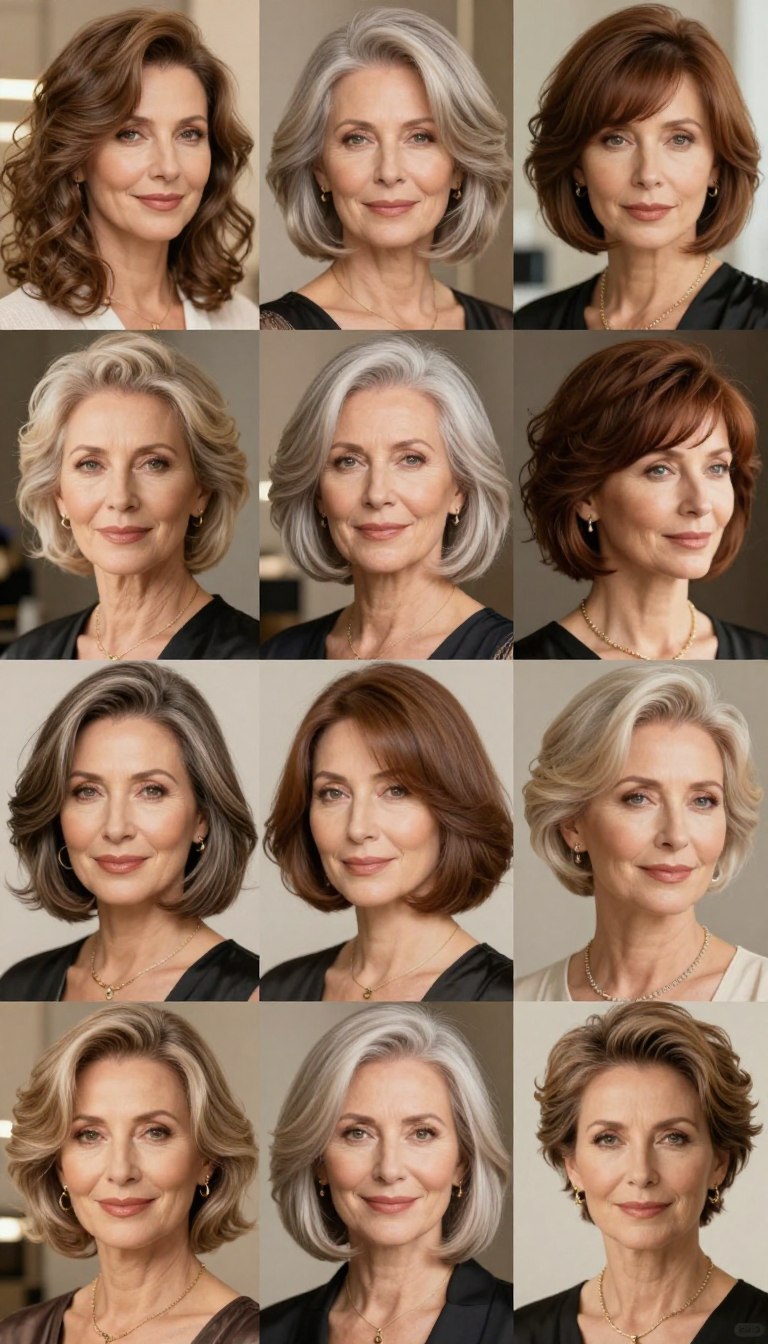
This curated guide celebrates bold, modern looks that boost confidence and highlight natural beauty. Stylists today favor bespoke cuts that match mature hair needs, not one-size rules about age.
Expect a mix of short, mid-length, and long options. You’ll also find texture-friendly ideas for straight, wavy, and curly hair so every reader can find a flattering fit.
Hair density and texture often change with time, so the right cut and styling approach matters more than a strict rule. This guide shows how to balance shape, movement, and care.
We preview key decision points: face shape, hair type, daily maintenance, and how much styling time you want. You’ll learn simple ways to choose a look that suits your life.
Practical tips include what to ask your stylist and easy at-home styling moves that make each hairstyle feel achievable. Think of this as friendly inspiration plus real guidance—no pressure to chop it all off.
Why women over 50 are embracing modern haircuts right now
More mature clients are choosing fresh, contemporary cuts that match how their hair feels and moves today.
Modern cuts are lighter and more flexible. They work with changing texture and density instead of against it. That makes everyday styling easier and less time-consuming.
A current style can lift the face and refresh the whole look. Smart length placement and added movement create a softer silhouette. Softer layers and textured ends often remove weight without losing shape.
Today’s salons personalize each choice to lifestyle. Many clients want a polished result that still reflects personality. Stylists also mix natural gray transitions and dimensional color to make cuts feel modern and warm.
- Designs that add movement and reduce bulk
- Length choices that frame rather than overwhelm
- Texture and soft layering to avoid a severe finish
- Part choices that flatter the face shape
- Low-maintenance looks that still feel tailored
- Dimensional color to enhance natural tones
- Flexible shapes that adapt to daily routines
- Smart thinning at ends to add effortless motion
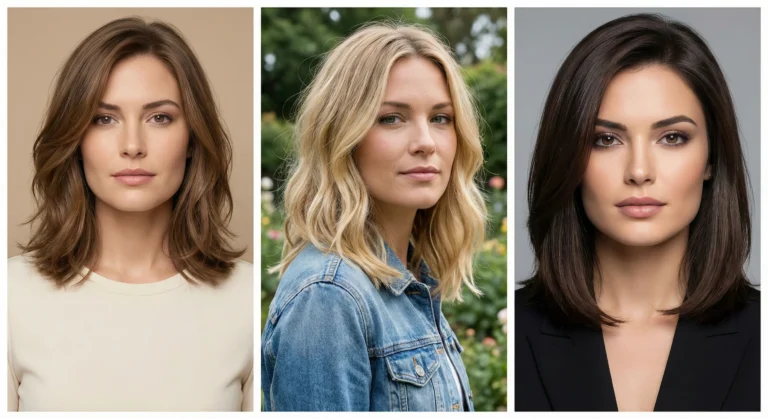
- Updated bobs and lobs with subtle texture
The takeaway: the best cut is the one that suits the person’s face, hair type, and daily routine. There’s no one way to modernize your look—small updates often make the biggest difference.
How to choose a flattering cut by face shape
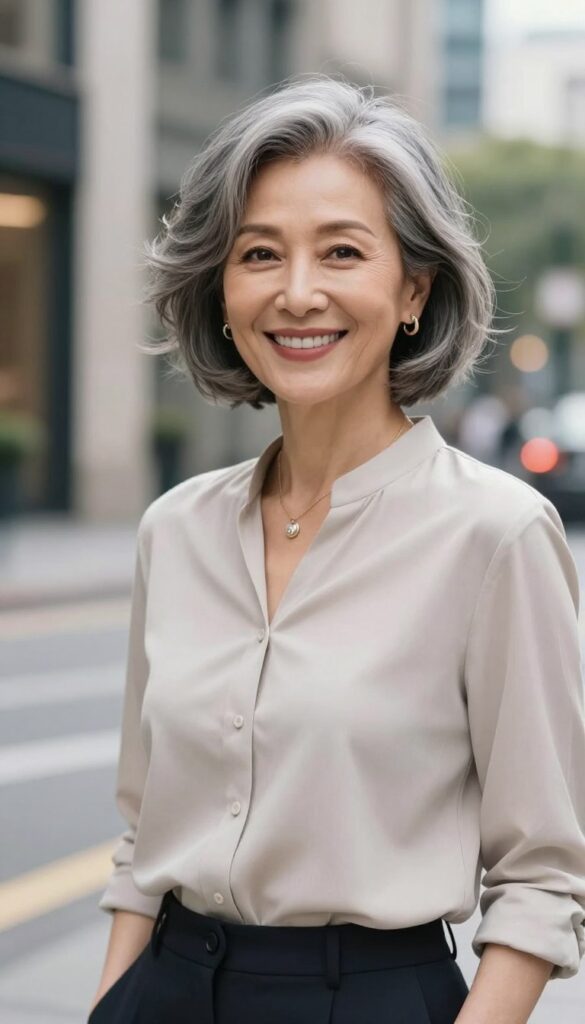
Choosing a cut that complements your face shape can instantly lift your look and simplify daily styling. Start by tracing your jaw, cheekbones, and forehead in a mirror or with a photo to spot whether your face is oval, round, or heart-shaped.
- Oval: This shape is highly versatile. Try layered bobs or long waves to keep softness and movement around the face. Layers add body without bulk.
- Round: Aim to elongate. Long layers that fall below the chin and subtle asymmetrical angles create definition and a slimmer profile.
- Heart-shaped: Add width near the jaw with chin-length bobs or choose a textured pixie to highlight eyes and cheekbones.
Bangs can be useful to soften a high forehead or balance proportions. Keep bangs tailored to your shape and hair density—light, side-swept bangs usually work well.
The overall goal is simple: pick a cut that frames the face to draw attention to the eyes and cheekbones, not to areas you’d rather minimize.
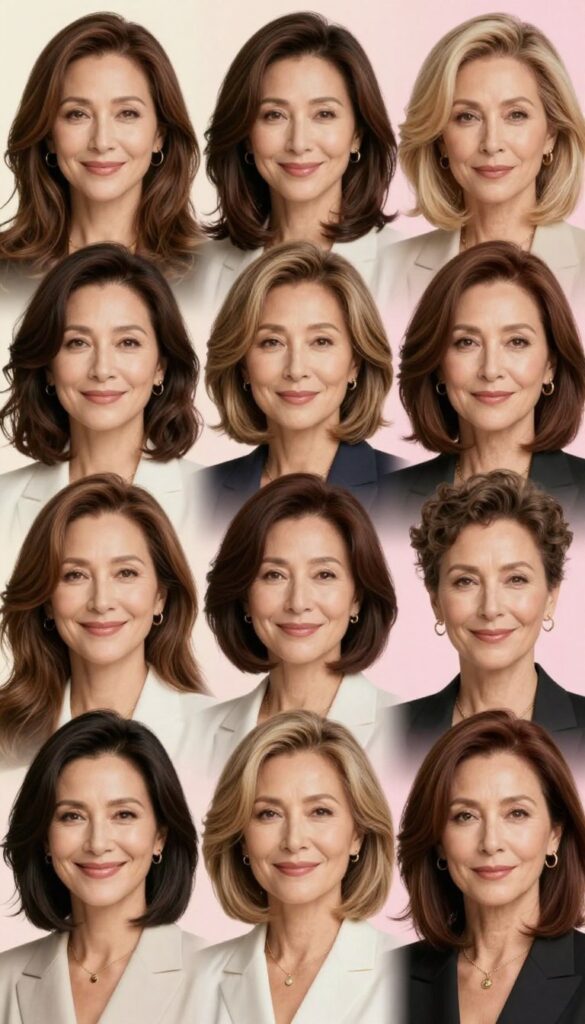
What to consider before you change your hair length or style
Before you chop or grow, pause to match the new look to how your hair actually behaves day to day.
Check your hair type and current density first. Note natural texture and how your strands act in humidity. That tells your stylist what to trim and where to add weight.
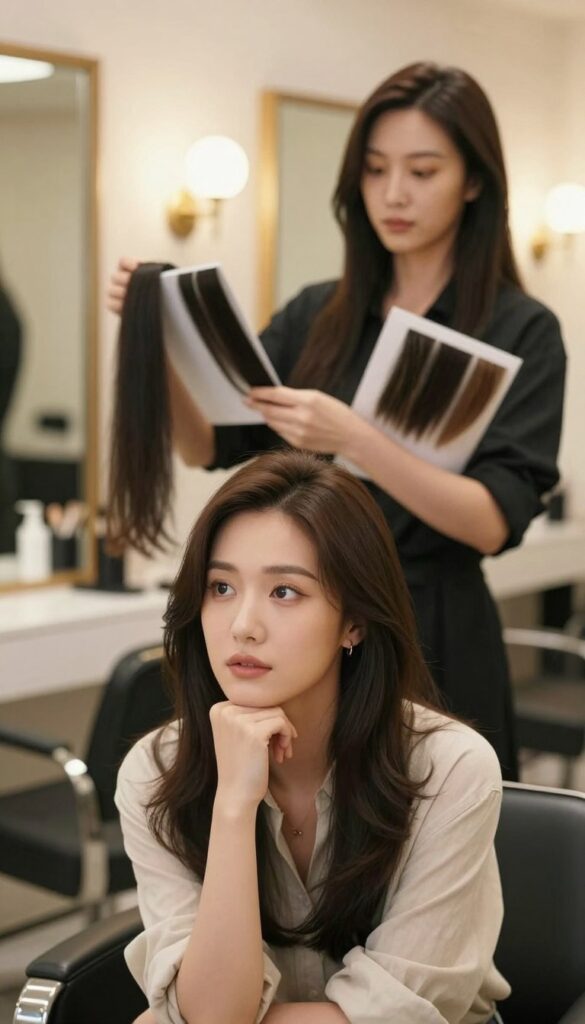
Think realistically about length changes. Shorter cuts often cut drying time and lift volume. Longer styles may need more styling to smooth a fringe or define waves.
- Maintenance: short cuts need frequent shape upkeep; long cuts need deep conditioning and trims to avoid thin-looking ends.
- Bring photos and be honest about daily styling habits so your stylist can tailor the plan.
- If thinning is a concern, strategic layers and a smart perimeter add fullness without extra bulk.
Make sure the final choice fits your routine. A flattering cut should work with your natural texture, not fight it, so it stays fresh between visits.
Classic, timeless cuts that never go out of style
Timeless haircuts rely on shape and movement, so they flatter through changing trends and textures.
The classic bob is a go-to when you want clean structure and polish. A round-brush blow-dry lifts the roots and adds volume while keeping a neat perimeter. This cut works with straight or slightly wavy hair and is easy to refresh between salon visits.
A pixie and pixie cut are iconic for finer strands because texturing creates the illusion of thickness. Use a light texturizing spray and ask your stylist to add soft layers so the look stays feminine and modern, not severe.
Shoulder-length waves feel romantic and wearable. A curling iron plus heat protectant gives shape without stiffness. Keep the length loose and let gentle layers add movement.
- Clean shape, easy styling, and a flattering silhouette define a timeless cut.
- Soft layers act as the quiet hero: they lift, reduce bulk, and keep ends from looking heavy.
- Choose a style that adds the right amount of volume and suits your daily routine.
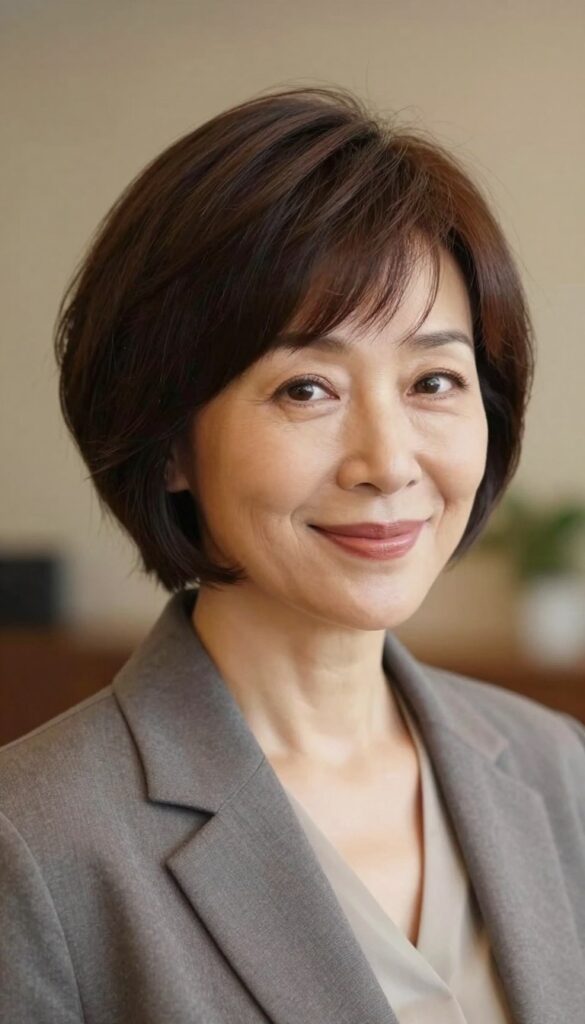
Modern bobs and lobs that look fresh at any age
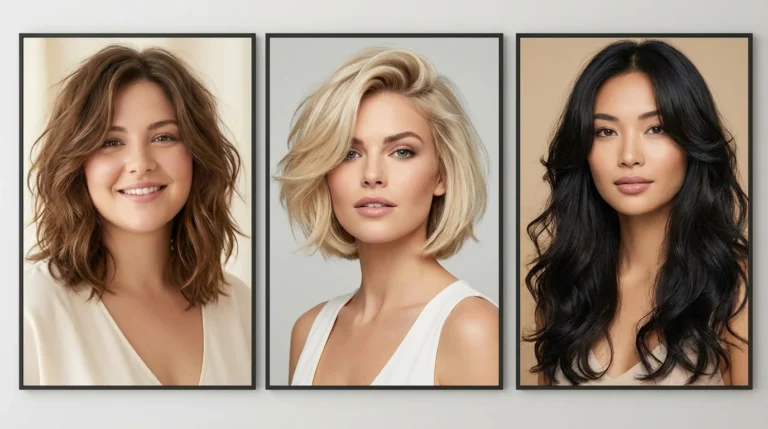
Shorter perimeters and softer layers make bobs and long bob cuts go-to choices because they feel light, modern, and keep volume at the crown. A textured lob (or long bob) sits at the perfect in-between length and works straight, wavy, or tousled with little fuss.
Changing the part—especially a deep side part or side part—adds instant lift and softens features. A new part can also balance facial proportions without a major chop.
Compare finishes: a blunt bob offers a bold, sleek statement, while a layered bob gives bounce and movement—helpful for finer strands. An asymmetrical bob paired with a deep side part gives definition and a slimming line.
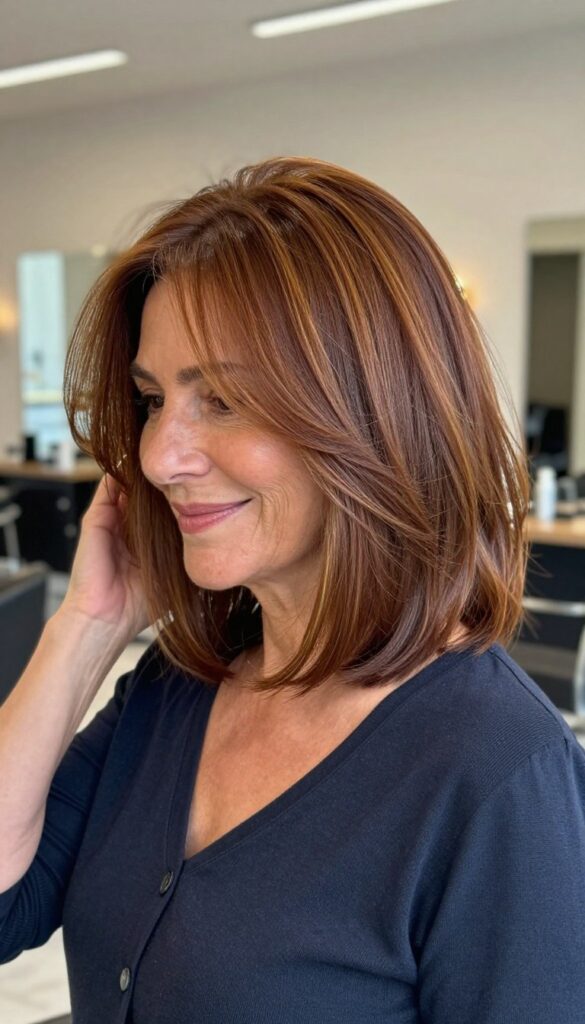
- Textured lob: scrunch with sea salt spray for casual texture.
- Blunt cut with a side part: flat iron for sleek polish.
- Chin-length or asymmetrical bobs: bend the ends inward for modern movement.
Styling is simple: sea salt spray, a flat iron when you want sleekness, and light bends at the ends for up-to-date shape.
20 hairstyles for women over 50: the full curated list
Here’s a compact, easy-to-scan list that names each look, who it suits, the overall vibe, and a quick styling tip.
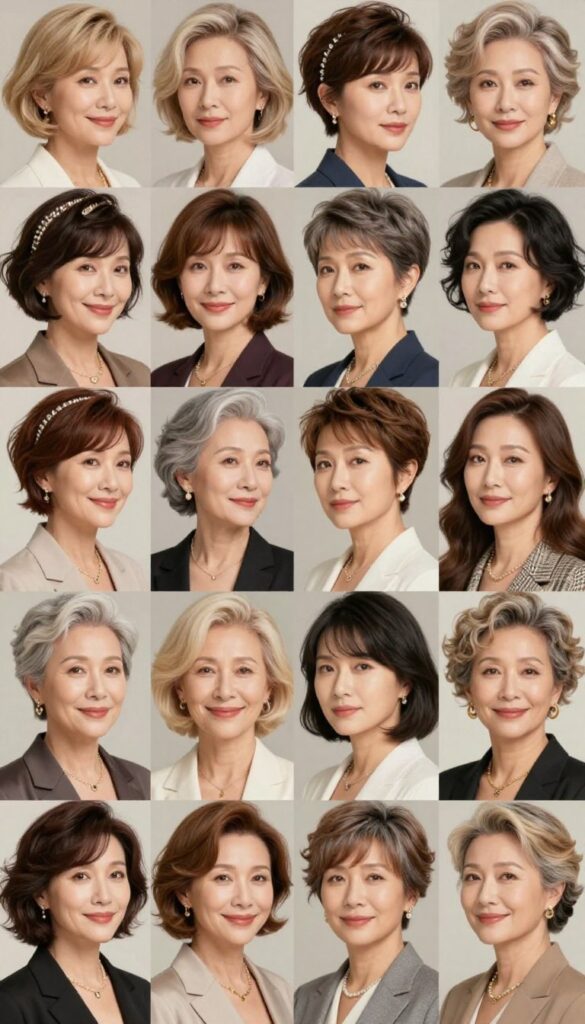
- Textured pixie — Suits fine hair and round faces; edgy yet soft; low upkeep. How to style: tousle with texturizing spray.
- Modern pixie — Suits straight or thin hair; chic and bold; frequent trims. How to style: use light pomade for definition.
- Asymmetrical pixie — Suits angular faces; adventurous vibe; medium upkeep. How to style: smooth with a small flat iron on ends.
- Classic bob — Suits most textures; timeless and polished; regular trims. How to style: round-brush blowout for volume.
- Bob with bangs — Suits oval faces; framed and youthful; medium upkeep. How to style: use smoothing serum on bangs.
- Chin-length textured cut — Suits fine or wavy hair; playful and airy; low-to-medium upkeep. How to style: scrunch with sea salt spray.
- Layered bob — Suits thin hair; adds body; medium upkeep. How to style: root lift mousse and a blow-dry brush.
- Blunt bob — Suits straight hair; modern and sharp; high upkeep to keep edge. How to style: flat iron for sleek finish.
- Asymmetrical bob — Suits rounder faces; slimming and trendy; medium upkeep. How to style: bend ends inward with a round brush.
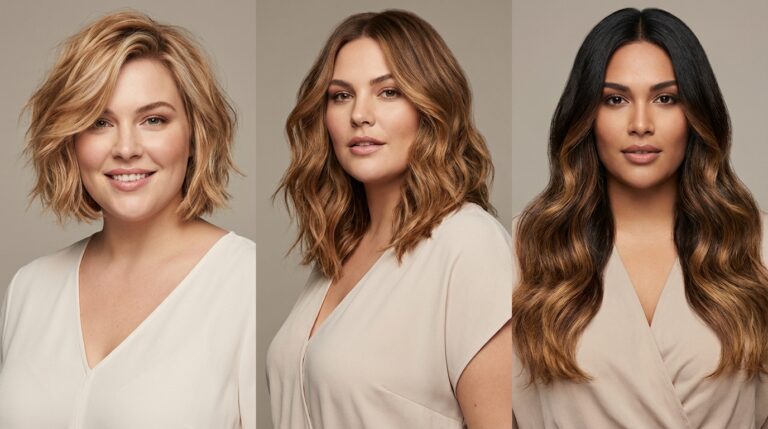
- Textured lob — Suits many faces; relaxed and on-trend; low upkeep. How to style: sea salt spray and air-dry.
- The lob — Suits wavy hair; elegant, easy; low upkeep. How to style: define waves with a 1″ curling iron.
- Shoulder-length waves — Suits long faces; romantic and soft; medium upkeep. How to style: large-barrel iron for loose waves.
- Feathered layers — Suits thin-to-medium hair; vintage-modern blend; low maintenance. How to style: use light hairspray and lift at roots.
- Shag cut — Suits wavy or textured hair; youthful and bold; medium upkeep. How to style: apply texturizing cream and scrunch.
- Long face-framing layers — Suits long faces; softens profile; medium upkeep. How to style: smooth with a large round brush.
- Sleek long hair — Suits straight, healthy strands; polished and classic; higher upkeep. How to style: smoothing serum and flat iron.
- Long hair with soft curls — Suits thick hair; glamorous and soft; medium upkeep. How to style: use thermal protectant and a curling wand.
- Natural waves — Suits curly textures; effortless and lived-in; low upkeep. How to style: define with curl cream and diffuse.
- Sleek ponytail — Suits all lengths; refined and quick; very low upkeep. How to style: smooth edges with lightweight gel.
- Messy bun — Suits casual days or events; relaxed and easy; very low upkeep. How to style: tease crown and secure with pins.
Save a favorite and send us your pick to receive a reference image or short video you can show your stylist via email.
Bangs and fringe that soften features and frame the face
A well-cut fringe can redirect focus to the face’s best features while keeping styling quick.
Bangs and fringe are a smart update at any age. They soften features, balance proportions, and highlight the eyes.
Compare two easy options: a curtain fringe opens the face and parts naturally down the center. It needs regular trims and a quick round-brush blow-dry to sit right.
A side-swept fringe creates diagonal lift and softens the side where you want movement. It works well with a deep side part and adds a gentle frame without heaviness.
- Match to shape: softer, longer fringe flatters most face types more than a heavy blunt cut.
- Practical care: expect frequent trims and a few minutes with a round brush each morning.
- Bonus: bangs can hide a receding hairline and blur forehead lines without looking heavy.
Make sure your stylist thins and sets length to match hair density so the fringe never looks sparse or separates.
Short hair ideas with volume that don’t feel “too cropped”
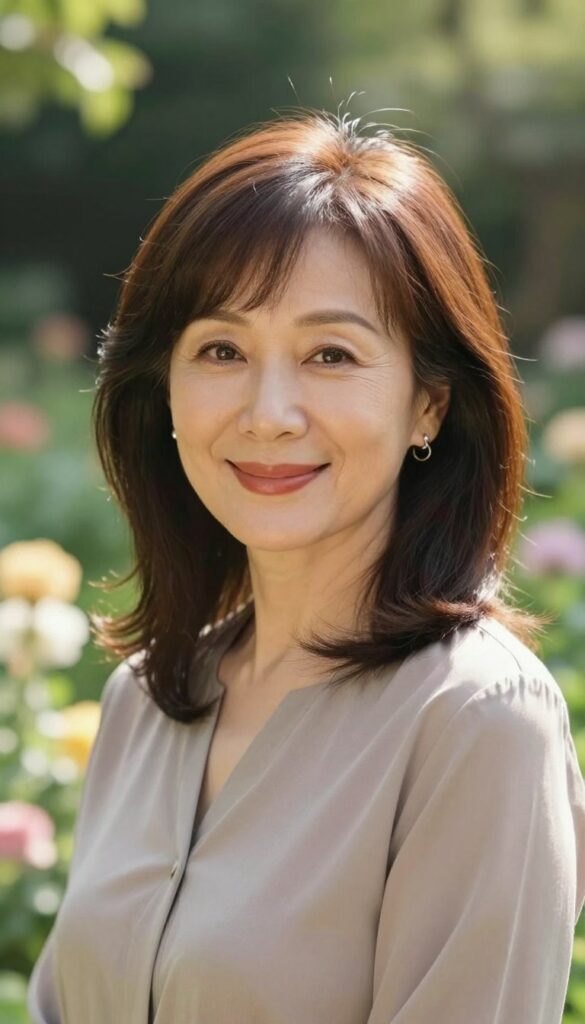
A smart short cut balances height at the crown with soft edges so you get volume without a severe finish.
Short lengths lift the roots and stop hair from looking dragged down. That creates instant body at the crown and a lighter overall silhouette.
Ask your stylist about a textured pixie or layered pixie if you have fine hair. The right texture and strategic layers add fullness and natural movement.
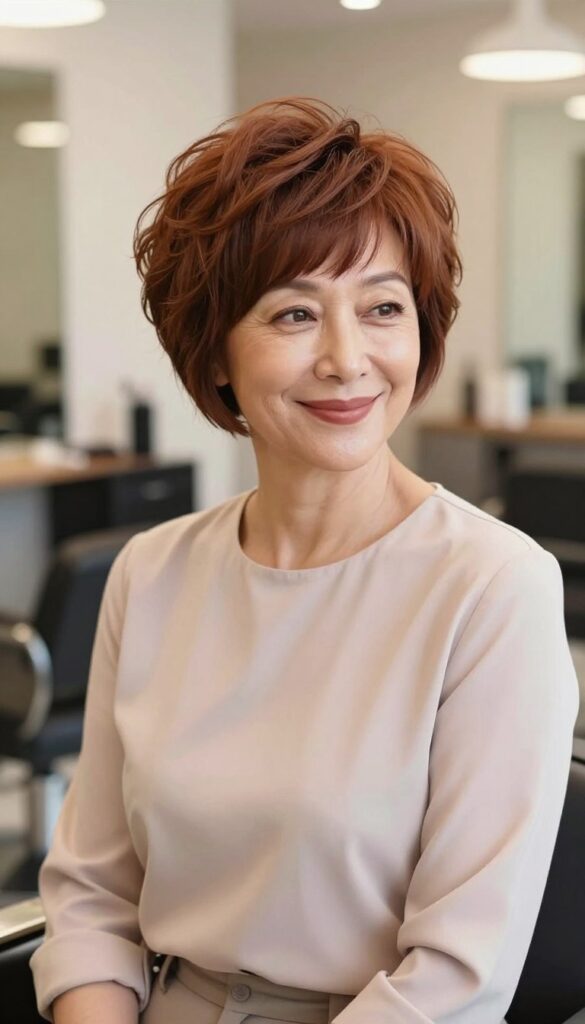
What keeps a pixie feminine? Longer top sections, soft face-framing edges, and piece-y styling instead of a flat, slicked look. These touches avoid a men’s-type cut and keep the shape gentle.
- Styling tip: use a small dab of texturizing paste, lift roots with your fingers, and tousle the top for instant volume.
- Try a layered pixie for versatility—sweep it to the side, rough it up, or smooth it down depending on the day.
- When you talk to your stylist, ask for softness around the hairline and ears to keep the cut approachable and modern.
Curly and wavy hairstyles that enhance natural texture
Curly and wavy hair reads modern when the cut supports its natural rhythm and movement.
Reframe curls and waves as an asset. When a cut removes weight in the right places, natural curls spring up and natural waves fall into a soft pattern. That gives more volume and a fresher silhouette.
Layers are key. They lift heavy ends so curls gain bounce without puffing. Properly placed layers also help hair texture look tidy and buoyant.
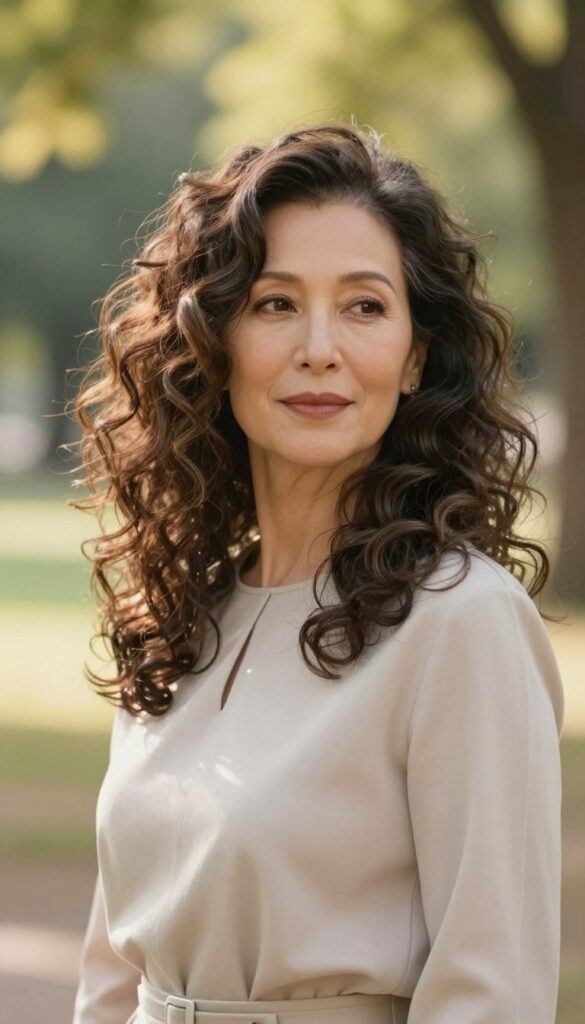
- Short curly hair — low-maintenance polish; use curl-enhancing products and a diffuser.
- Chin-length curls — adds width to balance a narrow face; light layers keep bounce.
- Tousled waves — relaxed finish; add bends with a wand and a bit of texturizing spray.
Practical styling: apply curl cream to damp hair, diffuse on low heat, and scrunch to define. For wavy hair, try air-drying with minimal product or add a few wand-bends for consistency.
Final tip: avoid over-brushing dry curls or waves. That preserves definition and keeps the look intentional, not frizzy.
Long hair after 50 that still looks light and current
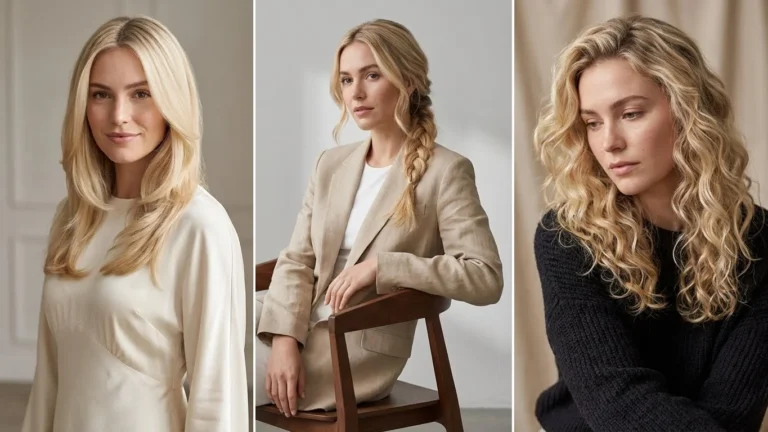
Long hair can feel modern and light when cut and styled to emphasize motion. You can keep length and still get a fresh look by focusing on movement, healthy ends, and easy styling routines.
Ask your stylist for face-framing layers that lift at the crown and soften around the cheekbones. Layers add lift so long lengths won’t lie flat or look heavy.
For everyday wear, try loose beachy waves with a large barrel or a salt-spray finish. Face-framing layers plus soft waves keep the hair airy without losing length and help gray or blonde tones read warmer.
If you prefer a polished finish, smooth with a heat protectant, a smoothing serum, and a flat iron. Finish with a lightweight shine product for sleek long hair that still moves.
Reserve soft curls that curl away from the face for special events—they open the face and feel timeless. Keep trims and deep conditioning on a schedule so the ends stay full and the overall look holds up over time.
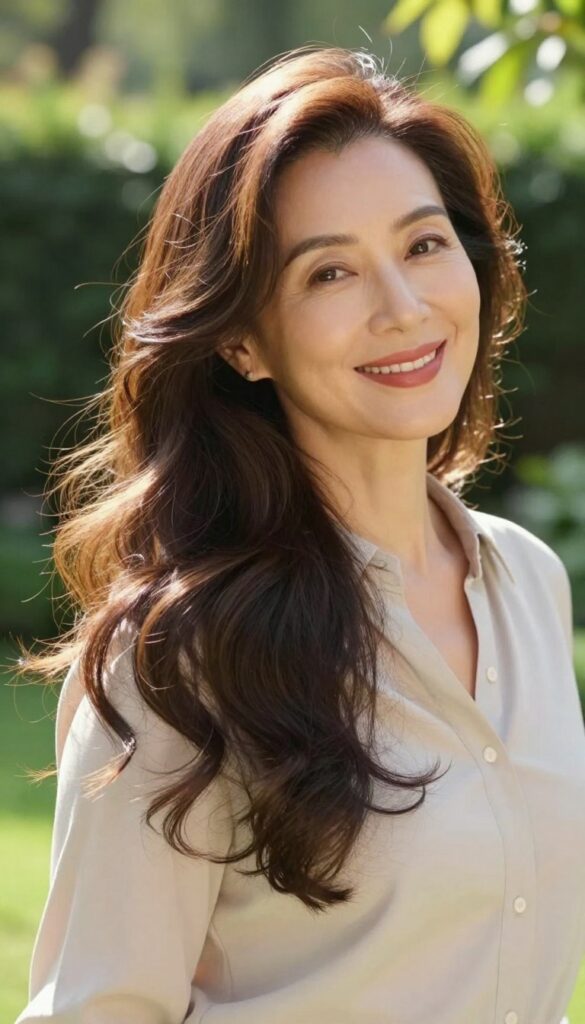
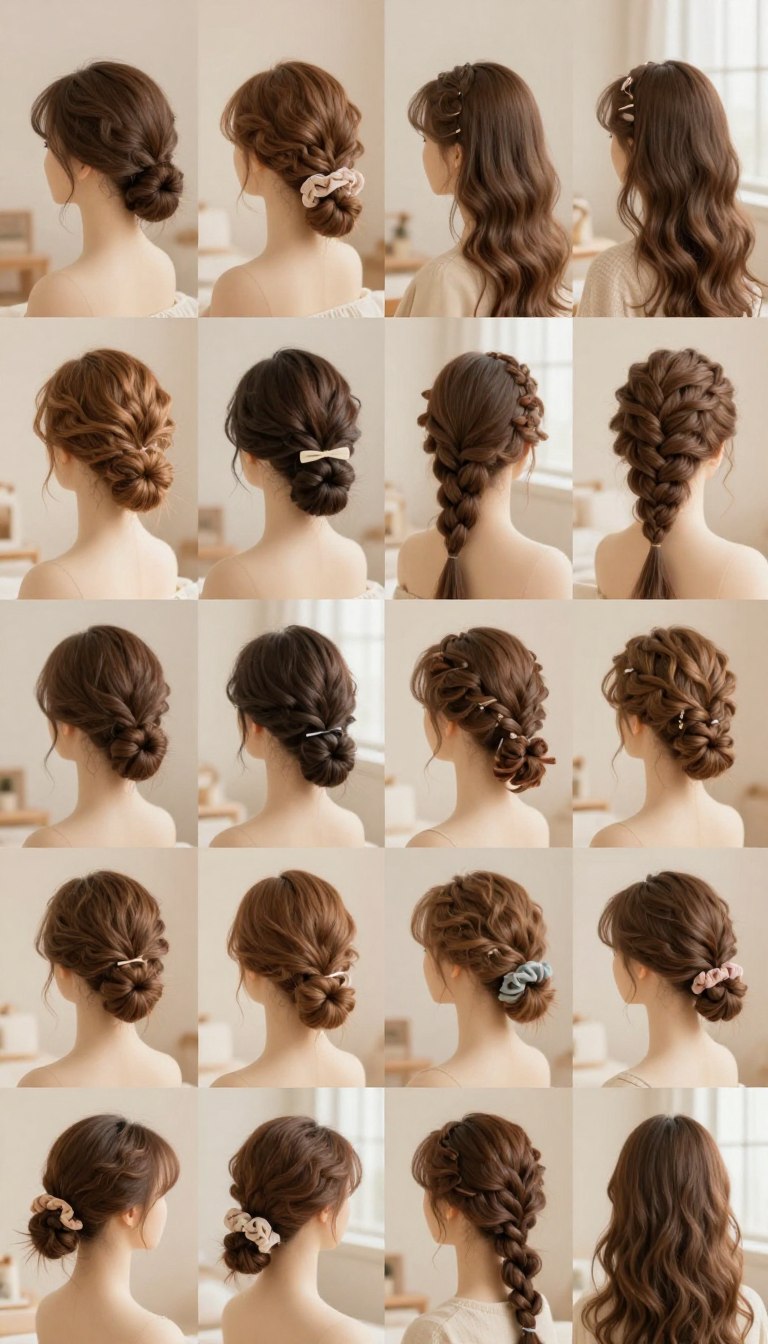
Easy updos and pulled-back styles for busy days and special events
Simple updos and pulled-back styles keep hair tidy while still feeling modern. They save time and make second-day hair look intentionally polished.
Pick a look by occasion:
- Sleek ponytail — a clean way to wear hair at work; wrap a small section around the elastic for a tidy finish.
- Messy bun — casual and quick; tease the crown lightly to add lift before you pin.
- Classic French twist — formal and refined; smooth into a low pony, then twist and pin for a lasting shape.
- Half-up, half-down — everyday softness; tease the crown and leave face-framing pieces out to soften the look.
- Classic updo — use bobby pins and strong-hold hairspray; leave a few loose strands near the face for motion.
Quick technique tips: tease the crown for gentle volume, and change your part (middle vs side) to refresh the same updo in a new way. Small shifts in placement can modernize the whole look.
Product basics: a smoothing serum tames flyaways for sleek styles. Match bobby pins to your hair color and finish with strong-hold hairspray so the shape lasts through the day. Trim ends regularly to keep pulled-back styles looking neat and healthy.
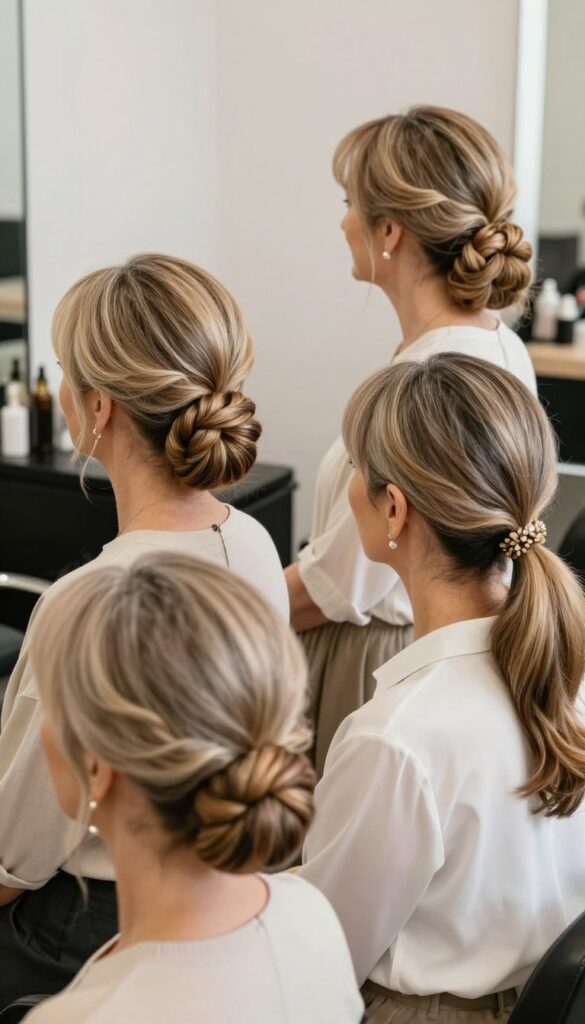
Color and highlights that add dimension and warmth
A well-placed set of highlights lifts the hair and brightens the face without a major change. Subtle contrast creates movement that makes strands read fuller and fresher.
Warm-toned highlights like caramel add softness and a healthy glow that flatters many skin tones. Blended, low-contrast placement keeps the result natural and easy to grow out.
Think about blonde carefully: softer blonde tones and blended highlights can brighten your face without looking harsh. If you prefer less upkeep, opt for babylights or face-framing pieces rather than full-coverage lifts.
For those embracing gray, add a few silvery or platinum streaks to blend the transition. This modern approach reads intentional and keeps gray from looking patchy.
- Avoid very dark, single-process color; it can age the complexion.
- Use glosses and toners to maintain shine and tone between highlight refreshes.
- Keep styling simple: a shine serum finishes the look and makes highlights pop.
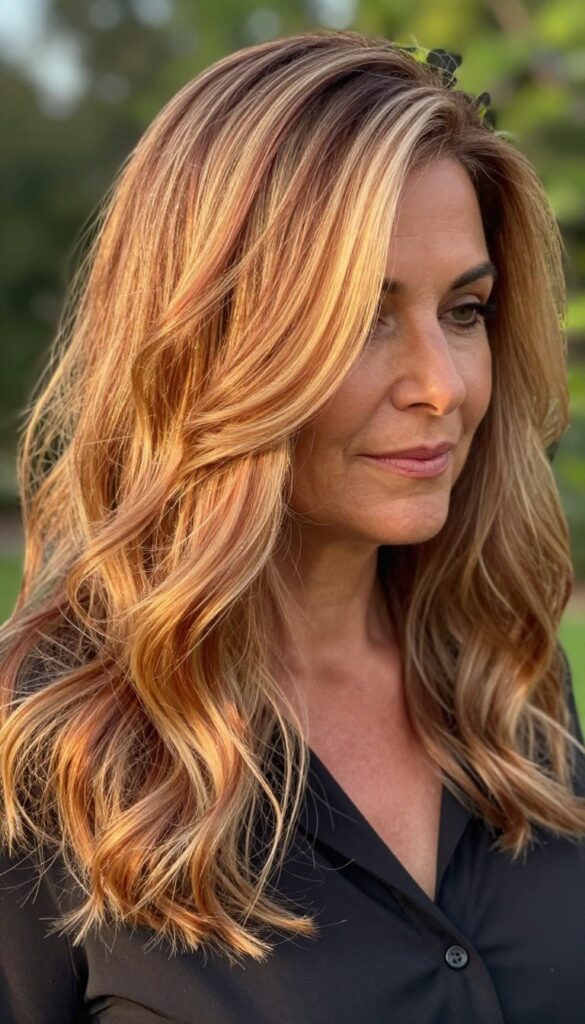
What to ask your stylist to get the cut you actually want
Tell your stylist what you need most — volume, softness, or a lighter perimeter — and they’ll tailor the cut to match. A short, clear brief helps them translate inspiration into a real, wearable haircut.
Bring 2–3 reference photos and point out one thing you like in each: length, bangs, or texture. Say how much time you’ll spend on styling every day so the plan fits your routine and hair type.
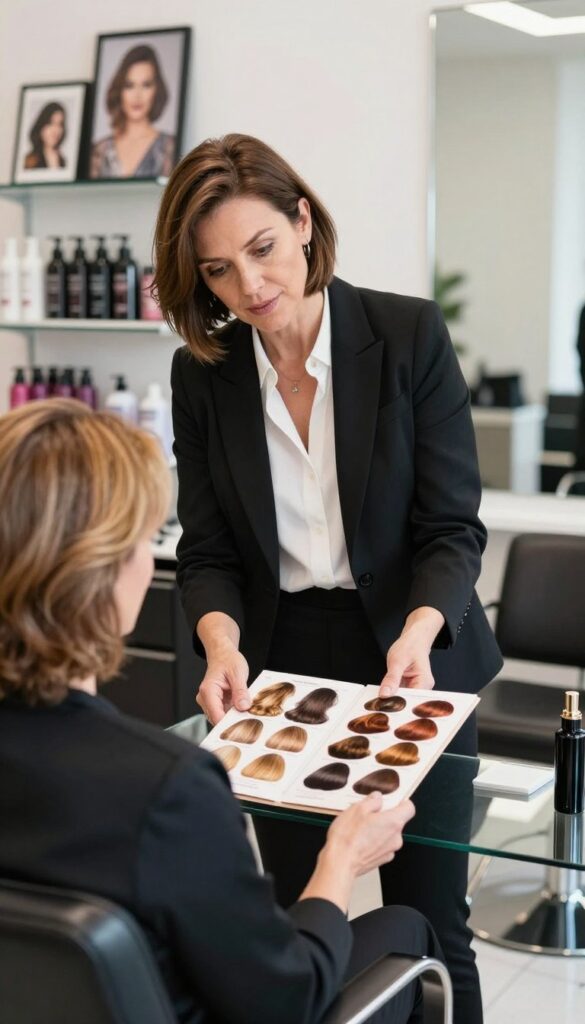
- Say these phrases: “I want more volume at the crown,” “I want softness around my face,” “I want less bulk at the ends.”
- For short looks, add: “Please add texture and softness so it doesn’t feel too severe.”
- Discuss face shape and concerns like thinning areas, jawline emphasis, or forehead lines so cut placement is intentional.
- Confirm maintenance: trim frequency, simple styling steps, recommended products and any salon treatments or plans.
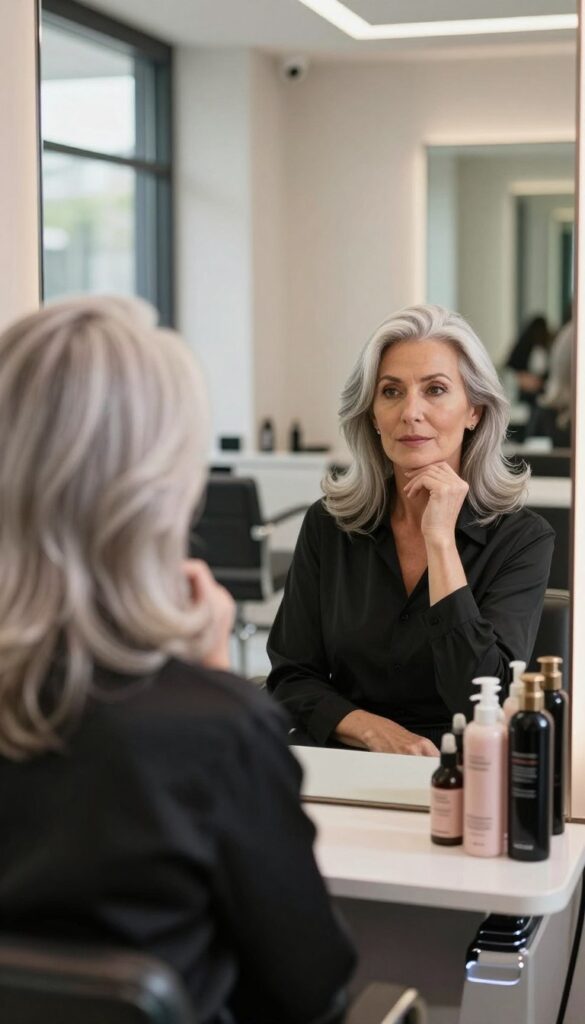
Finish the chat by asking the stylist to demo a quick blow-dry or show the product they’d use. That makes sure you leave with a cut you can recreate at home and the right product advice.
At-home styling and maintenance tips for women over 50
A few smart tools and a simple schedule keep your hair looking salon-fresh between visits. Trim every 5–7 weeks to hold the shape and prevent split ends from making styles look thin.
For quick volume, apply a lightweight mousse at the roots. Blow-dry with a round brush, lifting at the crown, then finish with a light-hold spray that won’t feel sticky.
If you have fine hair, skip heavy oils at the root and use texturizing spray or paste sparingly. Ask your stylist for layered shapes that create the illusion of fullness without extra bulk.
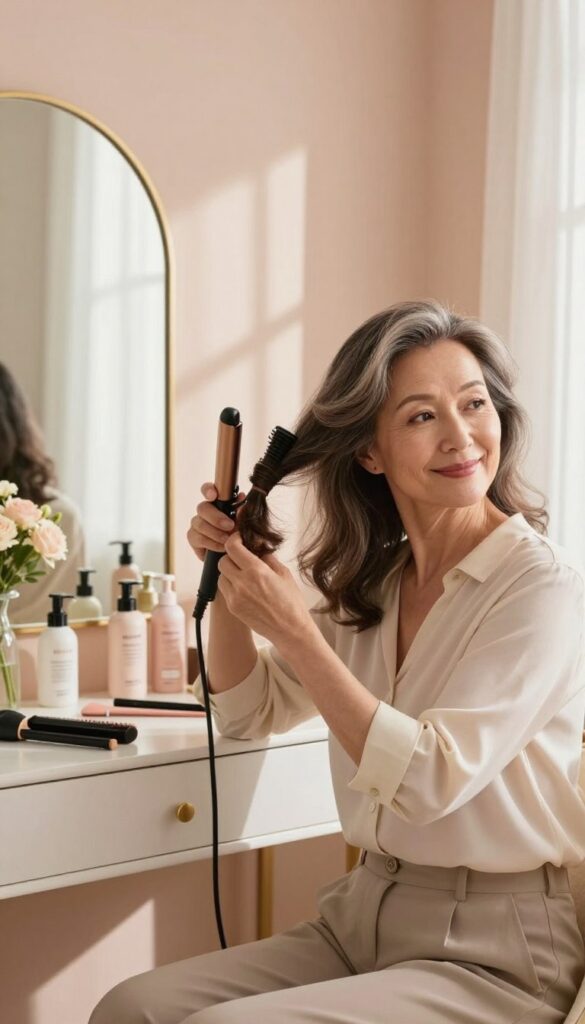
Style layers fast: flip your head upside down and dry roots first, then smooth the top and define ends with a round brush. For pixie cuts, use a small scoop of paste to add separation and motion.
- Curl care — work product into soaking-wet hair, diffuse gently, and avoid touching while drying to cut frizz.
- 5-minute method — rough-dry, finger-tousle at the crown, add a touch of texturizer, and go.
- 15-minute method — round-brush blowout or light curling-iron bends, smooth with a tiny dab of smoothing serum for sleek looks.
Keep a simple kit: travel-sized mousse, texturizer, smoothing serum, and a round brush. A small routine and regular maintenance save time and keep your style looking modern and full of life.
Hairstyle mistakes that can age your look (and easy fixes)
A few common choices often add years to your face, but small updates make a big difference.
Overly blunt cuts can feel heavy and emphasize harsh lines. Ask for soft layers and textured ends to create movement and a lighter silhouette.
Too-dark, all-over color can flatten your complexion. Fix it with dimensional highlights or a warm gloss to add depth and lift your skin tone.
Extremely long, unstyled hair isn’t the problem—lack of shape is. Face-framing layers or subtle perimeter trimming stop long lengths from dragging features down.
Outdated, rigid set styles read stiff. Modernize with softer layers, a touch of texture product, and a looser finish for a more natural result.
- Quick win: change your part—try a deep side part to add instant lift.
- Try small face-framing pieces to refresh the face without losing length.
- Choose cuts and color that match how your hair behaves daily for an effortless result.
Conclusion
The right shape and a touch of texture often matter more than following any age rule. A flattering hairstyle focuses on softness, movement, and how hair fits your life instead of strict limits.
Pick two or three looks from the list and match them to face shape, natural texture, and realistic upkeep. Make your choice with honesty about daily time and product use so the result stays wearable.
Save inspiration photos or a short video and email them to yourself before a stylist consultation. Great hair is a practical style tool that can evolve with changing texture, routine, and personal taste—so pick what feels confident and enjoy the way you look.