20 Stylish Low Cut Hairstyles for Women
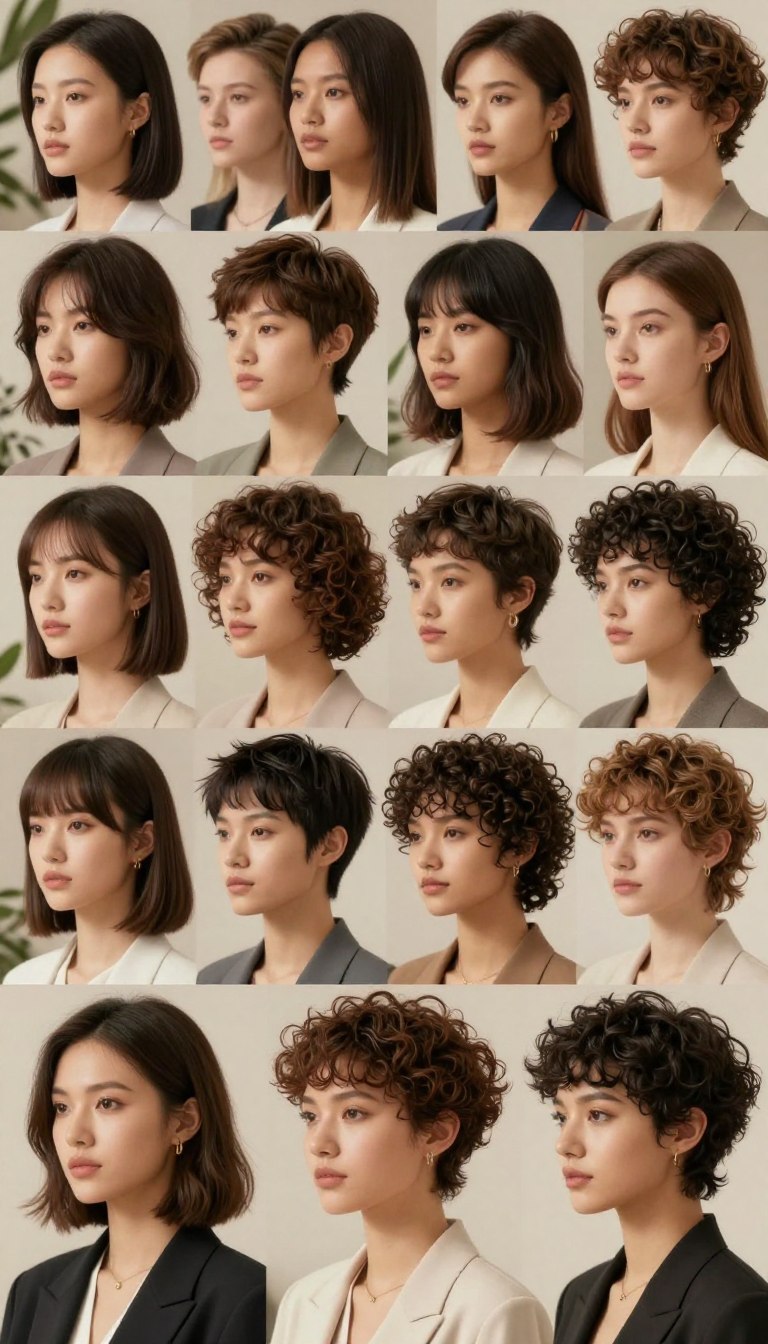
Curious about a bold new look? This intro defines what a low cut means in U.S. salons: shorter length overall, often pixie-to-buzz territory, with close fades or undercuts. Expect cuts that sit shorter than shoulder length and work with your natural growth and texture.
These options suit people with busy schedules, frequent workouts, hot climates, or anyone who wants less daily styling. Short hairstyles are easier to manage because there’s less hair to wrangle, and many trendy cuts embrace texture so small imperfections read as intentional.
This article will list curated looks first, then explain how to tell if a cut is truly low maintenance, and offer guidance by hair texture, face shape, and lifestyle. Remember: low maintenance does not mean no maintenance—best results come from matching a cut to your natural hair.
Feel free to screenshot styles and bring them to a licensed stylist or barber. For big changes, discuss growth patterns, cowlicks, and trim frequency so your new style stays confident and easy to live with.
20 low cut hairstyles for women to try right now
Short styles can be striking and easy to live with—here are top options to try now.
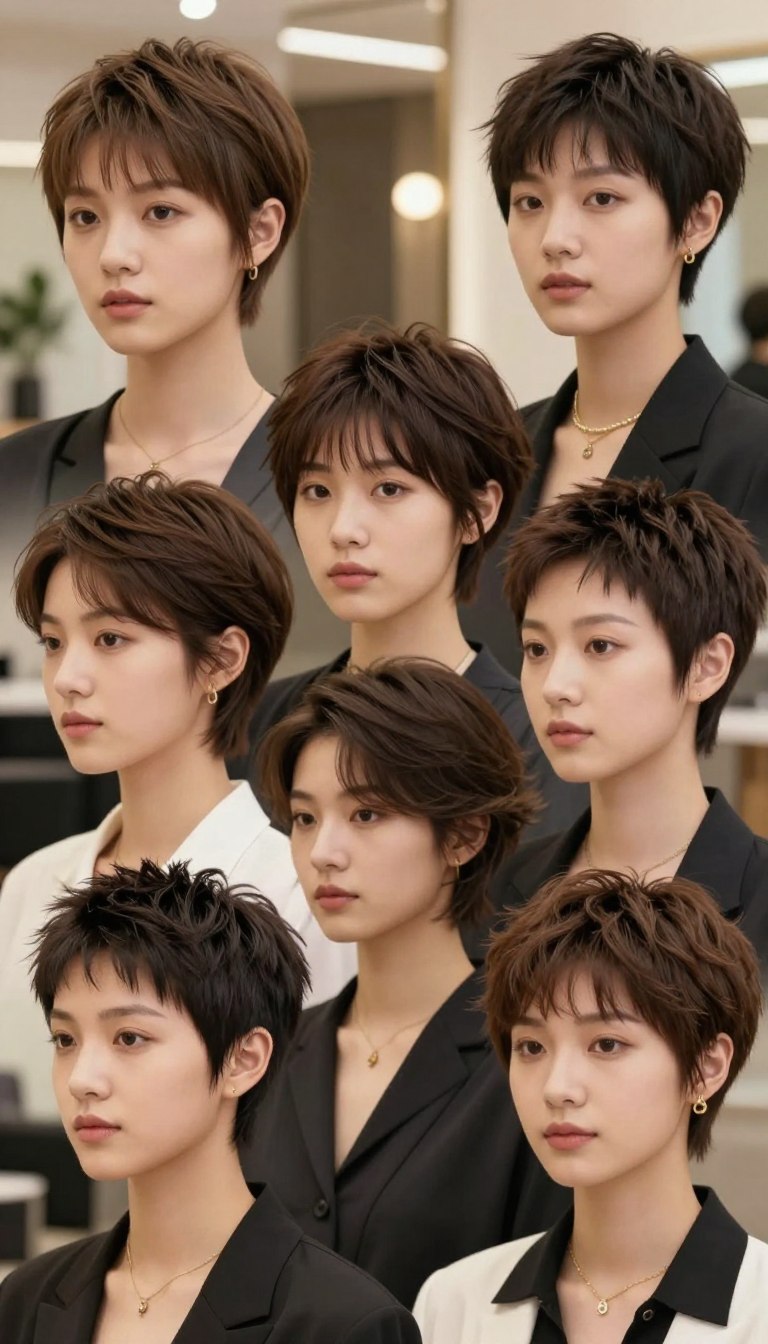
- Classic pixie cut — A neat, tapered haircut with soft fringe; Best for: fine to medium hair. Ask: short sides, light texture. Upkeep: regular trims; Avoid if: you hate styling bangs.
- Shaggy pixie — Messy layers with volume on top; Best for: natural texture. Ask: choppy layers and textured ends. Upkeep: light styler daily.
- Short shag — Feathered layers and movement; Best for: thick hair. Ask: razored layers. Upkeep: quick tousle and dry shampoo.
- Layered bixie — Pixie meets bob with length at the front; Best for: those who want hybrid shape. Ask: longer front, layered top. Upkeep: low effort styling.
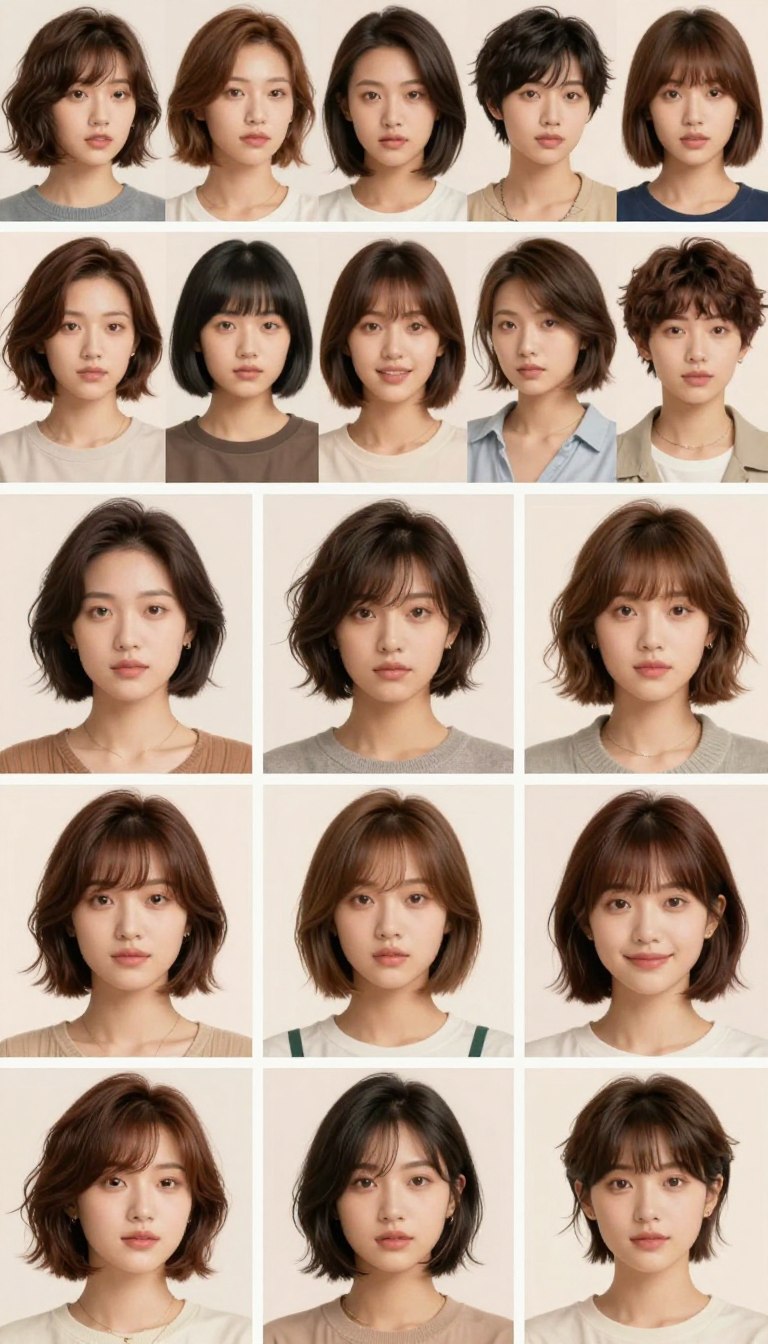
- Blunt chin-length bob — Sleek edge with a straight line; Best for: fine hair that needs weight. Ask: blunt ends, minimal layers. Upkeep: smoothing product.
- Textured bob — Soft waves and choppy texture; Best for: medium hair. Ask: point cutting and soft layers. Upkeep: sea salt spray.
- French bob — Short, chin-grazing with a subtle wave; Best for: classic short style. Ask: even length, light bangs. Upkeep: minimal styling.
- Angular lob — Short in back, longer front panels; Best for: face-framing shape. Ask: stacked back, long front. Upkeep: occasional blowout.
- Mini mullet — Short sides, longer top and back; Best for: edgy looks. Ask: tapered sides, longer crown. Upkeep: texturizing product.
- Choppy crop — Short, broken layers with grit; Best for: those who like texture. Ask: heavy point cutting. Upkeep: matte paste.
- Bold buzz cut — Very short all over; Best for: ultra-easy maintain. Ask: clipper guard length and clean edges. Upkeep: trims every 3 weeks.
- Bald-glow close cut — Slightly longer than a buzz for softer shape; Best for: subtle bare look. Ask: short guard and blended sides. Upkeep: light moisturizer.
- Tapered cut — Gradual shorting at the nape and sides; Best for: natural movement. Ask: soft taper, textured top. Upkeep: quick styling.
- Fade for coiled hair — Clean fade with defined top coils; Best for: coily textures. Ask: skin or low fade, shaped top. Upkeep: moisture and edge-ups.
- Tapered buzzed curls with hard part — Short curls with a crisp line; Best for: statement barbershop look. Ask: defined part and tapered sides. Upkeep: frequent barber visits; Avoid if: you dislike upkeep.
- Curly crop/TWA — Rounded shape that highlights curls; Best for: natural coils. Ask: even length, shaped sides. Upkeep: leave-in cream and weekly trims.
- Natural undercut with shaved lines — Protected top with shaved detail at sides; Best for: creative accents. Ask: shaved design and blended top. Upkeep: regular touch-ups; Avoid if: you hate frequent trims.
- Etched side design — Patterned shave at one side for contrast; Best for: bold accents. Ask: single-line etch or pattern. Upkeep: frequent barbershop visits.
- Mohawk-inspired short — Clean sides with a shaped top strip; Best for: dramatic volume. Ask: length on top, faded sides. Upkeep: styling paste and trims.
- Color accents on shaved areas — Two-tone or single-line detail to define shape; Best for: adding intent to a short style. Ask: color placement on sides or part. Upkeep: color touch-ups as needed.
What makes a low cut hairstyle low maintenance
A truly low-maintenance short style saves minutes each morning and cuts down on daily fuss. It means fewer tools, fewer products, and fewer frustrating bad-hair moments. The goal is a look that plays to your natural texture and needs only a quick routine.
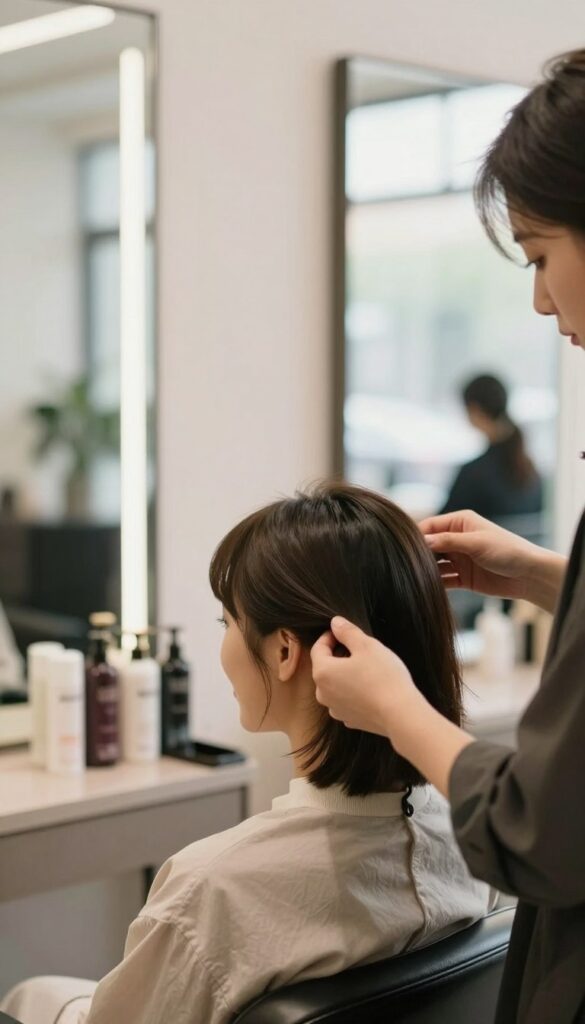
- Easy to style — minimal steps or a single quick tool pass.
- Grows out gracefully — the shape survives several weeks without looking uneven.
- Matches natural texture — you aren’t fighting your hair type every morning.
Expect a little finesse: a dab of putty for a pixie or curl cream for coils keeps the routine short but effective. Fine straight hair may need volume support. Thick or coily textures need moisture to avoid dryness and frizz.
Try this time-saving way: pick a shape that air-dries well or needs just a quick diffuser, then rely on one hero leave-in product. Test it by sleeping on the style — if a fast refresh with water and product brings it back, it’s truly easy to maintain.
Layers can add texture and movement without daily effort, while overly precise shapes demand more frequent trims. Trim cadence: about 4–6 weeks for shorter lengths and 6–8 weeks for longer short styles, so you can budget your salon time and keep the look fresh.
Best low cut styles by hair type and texture
Picking the right short look starts with knowing your hair type and texture. Match the shape to how your hair behaves and you’ll spend less time styling.
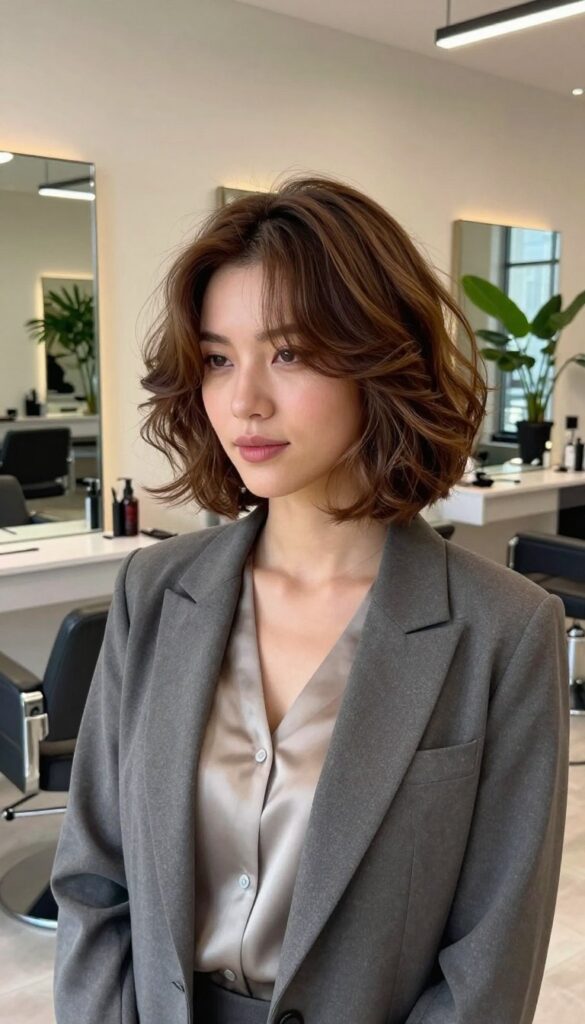
- Fine/straight hair: Blunt bobs, textured bobs, or layered crops add the look of density. Tell your stylist to avoid too many wispy layers and to keep weight at the ends.
- Wavy hair: Short shag or tousled lobs keep movement and stop waves from falling flat. Ask for soft layers and a texturizing razor to boost volume.
- Thick hair: Ghost layers or a tapered cut remove bulk and prevent puffiness when air-drying. Request internal layering and a softened perimeter.
- Curly hair: Curly crops or a curly pixie are often shaped dry to avoid a triangular silhouette. Use curl cream or gel and tell the stylist to shape curls while dry.
- Coily / natural hair: TWAs, fades, or undercuts keep definition and make daily care simpler. Emphasize consistent moisture and ask to leave length on top while tapering the sides.
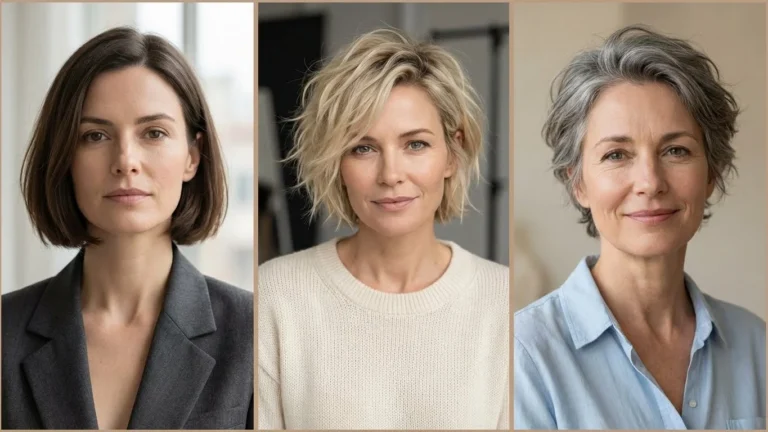
- Mature hair (50+): Textured bobs, layered crops, and tapered cuts add lift and softness. Focus on light layering and hydration to counter thinning and dryness.
How to choose a low cut haircut that flatters your face shape and lifestyle
A flattering haircut marries your face shape with how much time you want to spend styling. Start by listing what matters: face shape goals, daily routine, dress code, workout frequency, and how often you’ll book trims.
Quick decision checklist:
- Face shape goals — do you want height, width, or softer lines?
- Daily routine — minutes for styling and product use.
- Maintenance willingness — salon visits and fringe trims every 3–4 weeks.
- Activity level — sweat and helmets affect how a style holds up.
Match shapes to styles in a practical way. Oval faces suit most haircuts. Round faces gain from added top height and cleaner sides. Square faces soften with texture and a side part. Heart shapes balance with jaw-length volume or fringe. Long faces benefit from bangs or a fuller bob.
Small details change your look fast: a deep side part shifts focus, a tapered neckline cleans the silhouette, extra top length adds versatility, and soft fringe alters proportions but needs more trims.
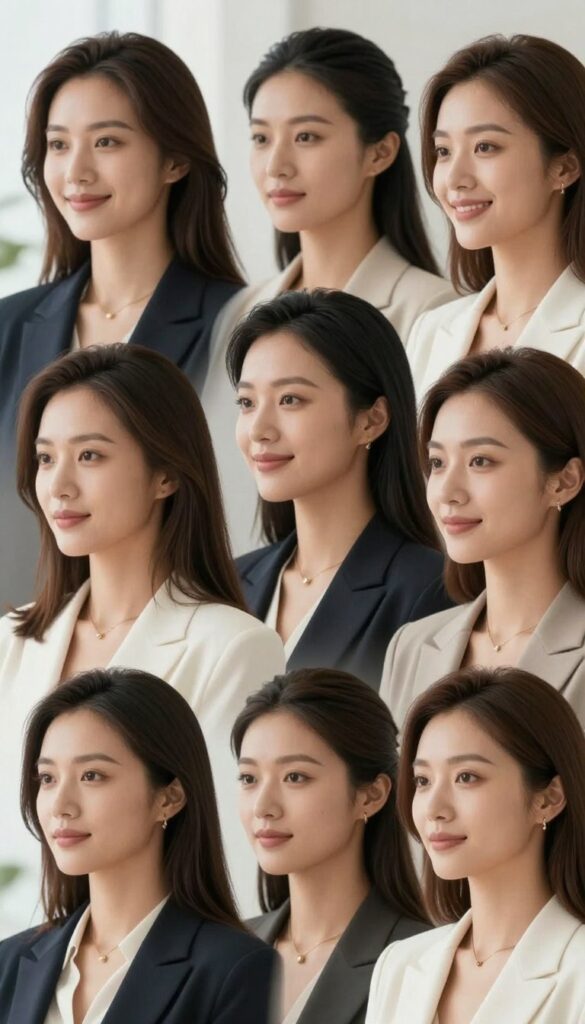
Pick scenarios: busy mornings → pixie, buzz, or taper; office settings → sleek bob or tapered cut; creative expression → undercuts or shaved lines; active life → curly crop or fade. Bring 2–3 reference photos and be honest with your stylist about air-drying, heat use, and trim cadence.
If you’re nervous, choose styles that grow out gracefully — bixie, bob, or textured crop. Quick guardrails: skip intricate shaved art if you dislike salon visits, and avoid heavy bangs if you won’t trim them. The best choice is the haircut that fits your real life, not just a trendy idea.
Styling and care tips to keep short hairstyles looking fresh
Keep your short style feeling fresh with a simple, repeatable routine that honors your natural texture. Spend a little time on the top and you’ll save minutes every morning.

Try this 2-minute styling trick: dampen hair, add one leave-in styler (mousse, putty, cream, or light oil), shape with fingers or a comb, and air-dry. It works for most textures and cuts.
- Product match: mousse lifts fine strands, matte putty shapes pixie-like crops, oil tames frizz, and curl cream or gel defines curls.
- Wash-day notes: clarify if hair feels heavy; use EverPure Clarifying Shampoo. If hair is dry, choose moisture-first products like Elvive Dream Lengths Curls Leave-In Conditioner or EverPure Bond Repair Oil-in-Serum.
- Trim timing: 4–6 weeks for most short styles, 6–8 weeks for longer bobs, and about every three weeks for an ultra-close buzz.
- Sleep and refresh: wear a satin scarf or bonnet, or spritz and finger-style in the morning. Day-two fixes: water + leave-in, a bit of cream for curls, or a dab of putty to re-piece the top.
Biggest mistake: forcing a texture that isn’t yours. If you want sharp fades or etched lines, a barber keeps them crisp; for bobs and fringes, stick with a salon stylist.
Conclusion
A smart short haircut highlights your face and trims your routine.
Pick two or three favorite looks, then test them against your hair type, face shape, and real-life schedule. Choose the option that saves time and still feels like you.
Remember maintenance is a spectrum. Some styles are almost wash-and-go; others need a bit of product or frequent line-ups. If you’re moving to natural hair, consider a big chop or a shaped TWA to remove damage and simplify care.
Next step: book a consult, bring photos, and ask how many hours per month trims and at-home routine will take. The right short style brings attention to your features with effortless confidence.