20 Stylish Hairstyles for Fabulous Older Women
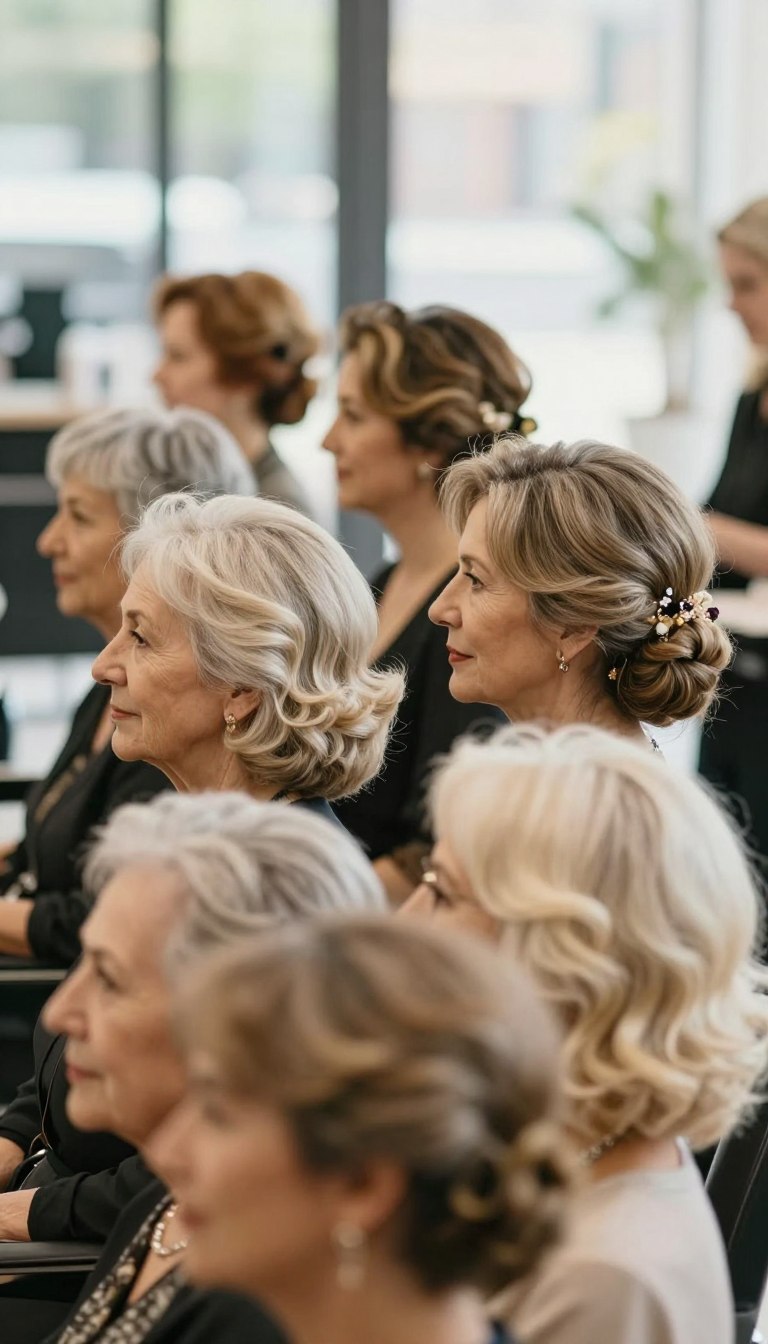
Short cuts can add instant lift and life to thinning hair. They make styling faster and shine a light on cheekbones, eyes, and smile. Expect practical shape, clever texture, and smart volume placement that boosts confidence at any age.
This guide promises modern, flattering looks that refresh your style without chasing trends. You’ll find pixies, bobs, crops, bangs, and curly options alongside color ideas and simple upkeep tips.
Short styles are popular after fifty because they save time, create more lift, and frame the neck in a clean silhouette. Each cut here is adaptable to face shape, density, and personal comfort.
We’ll also share nightly habits to reduce frizz and breakage so your haircut stays salon-fresh longer. Save or share photos and bring references to your stylist for a stronger consultation and a look you love.
What makes a hairstyle “sassy” after 50
A short, modern cut can refresh your presence and highlight the best parts of your face. It lifts the hair, adds volume, and draws attention to your features while keeping a wearable look.
Sass comes from a mix of polish and personality. A strong outline or a little edge gives movement without being fussy. Texture—piecey layers or airy separation—and lift at the crown create that spirited feel.

Softness matters. Strategic layers, flattering fringes, and tapered sides frame the face and keep the cut from feeling severe. These touches preserve a gentle silhouette while still feeling modern.
- Common changes after years of styling: finer strands, dryness, and visible scalp—choose shapes that add body.
- Sassy details: asymmetry, choppy ends, side parts, airy bangs, or a tapered neckline.
- The goal is confidence—pick a look that matches who you are now, not a past decade.
How to choose a flattering cut by face shape and features
Picking the right cut starts with knowing your face shape and which features you want to highlight. Measure the widest and longest points of your face to identify oval, round, square, heart, or diamond shapes. That simple step makes choosing a silhouette easier.
Balance proportions by adding height for round faces and softening hard angles for square jaws. Side parts and face-framing layers create length and lift. Pixies and bobs can be tailored: an angled bob narrows a wider jaw, while a cropped pixie adds lift at the crown.
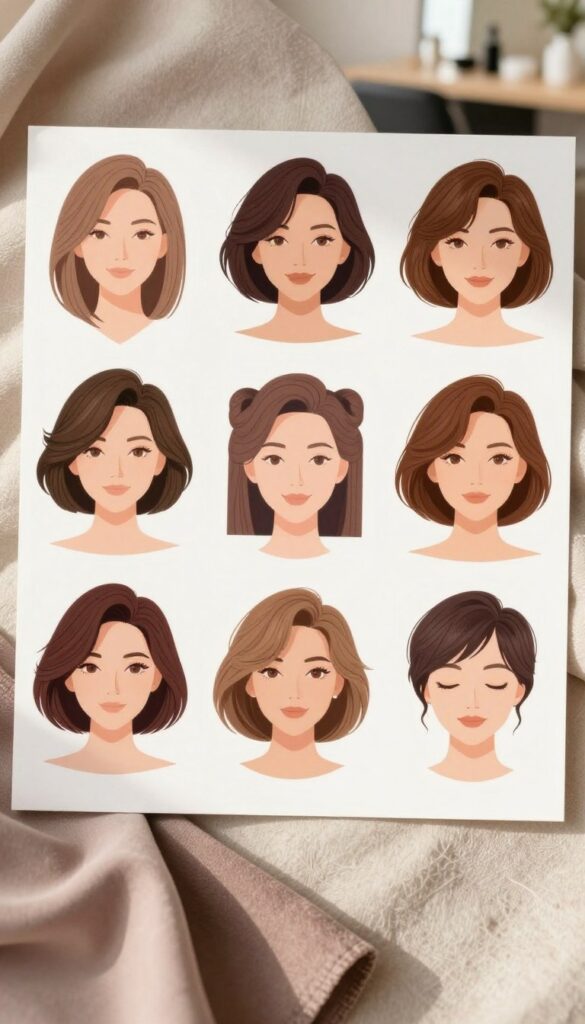
Bangs shift focus. Side-swept bangs draw attention to the eyes. Wispy bangs soften a high forehead. A blunt fringe makes a bold statement when you want a defined look.
- Use layers around cheekbones and the jawline to enhance features with short bobs and angled cuts.
- If you wear glasses, keep the temple area light and avoid heavy bulk at the sides; a side part or soft fringe adds harmony.
- Bring reference photos and describe daily styling habits so the chosen cut matches real-life routine and comfort.
Hair texture and hair type checklist before you commit
Knowing your hair’s natural habits helps you pick a shape that looks full and easy to style. Start with a simple at-home check: note density, strand size, natural pattern, and how much frizz you see most days.
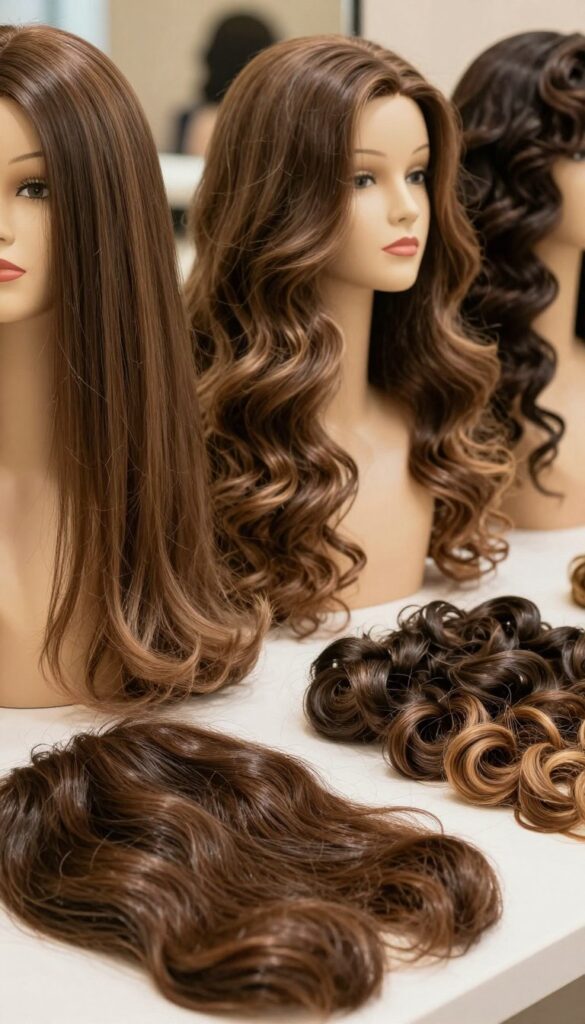
Use this quick checklist before your salon visit:
- Density: thin or thick scalp coverage.
- Strand size: fine, medium, or coarse.
- Pattern: straight, wavy, curly, or coily and typical shrinkage.
- Frizz level and porosity: how dry or thirsty the strands feel.
Fine hair often gains more impact from controlled layers and a lift at the crown instead of over-thinning, which can make ends look sparse. Certain short cuts flatter thinning locks by creating the illusion of volume.
Curly hair and natural curls need shaping that avoids a triangular silhouette. Ask for internal layering to keep shape without losing curl integrity. Also mention how often you wash, if you air-dry, and how much morning styling time you want—your lifestyle matters as much as the cut.
20 sassy hairstyles for older women
Explore a compact roster of cuts that boost texture, volume, and everyday confidence. Each entry lists who it suits, how the cut adds shape or lift, and the overall vibe so you can skim to the best match.
Every hairstyle can be personalized: length, parting, and layers tweak how a cut frames your face and handles natural texture. Save favorites and bring a photo or clip to your stylist to make requests clear.
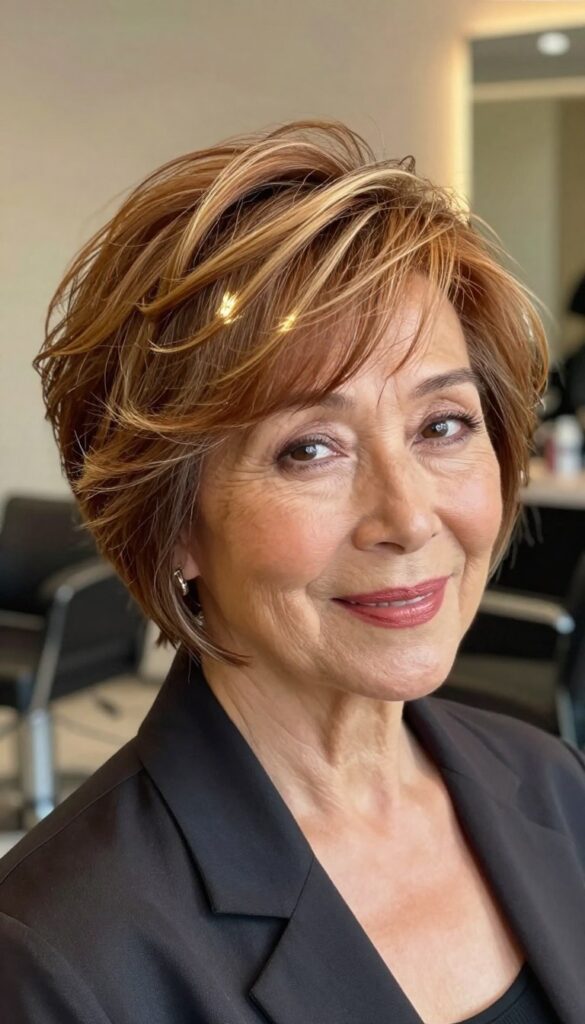
- What you get per item: ideal hair type, volume impact, texture tips, and upkeep level.
- Realistic upkeep note: some looks are wash-and-go; others need trims or styling product for hold and definition.
- UX idea: Found a reference image you like? Enter your email to get this picture to your inbox. Found a reference video you like? Enter your email to get it to your inbox.
Ready to jump in? Next we break the list into categories — pixie, bob, layered crops, bangs, curly, and low-maintenance — so you can go straight to the style that fits your life and look.
Pixie cuts that deliver lift and a youthful look
Pixie cuts trim away weight while giving hair a fresh, modern profile. They lift the crown and spotlight eyes and cheekbones. That makes a bold, wearable look without heavy length.
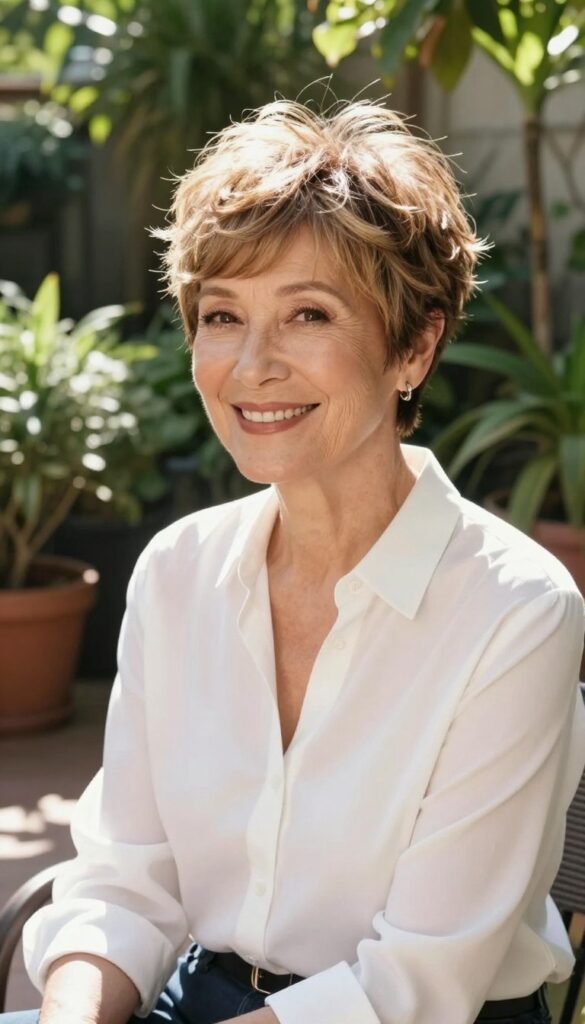
Pick a direction that fits your face and routine. Ask your stylist for a classic pixie for a clean, timeless cut. Choose a shaggy pixie to add texture and playful movement. Try an undercut pixie when you want low bulk and a strong edge.
- Why they work: remove weight, add lift, create instant volume at the crown.
- Top length: longer top gives styling options; shorter top cuts down morning time.
- Who benefits: fine hair looks fuller with textured layers; thick hair needs controlled internal layering to avoid puffiness.
- Styling notes: pea-size mousse or cream, blow-dry forward or up, pinch ends for piecey definition.
- Upkeep: expect trims every 4–6 weeks to keep the silhouette sharp and intentional.
Bob haircuts for older women who want chic versatility
A well-cut bob gives instant structure and can be tailored to feel soft or bold, depending on the finish.
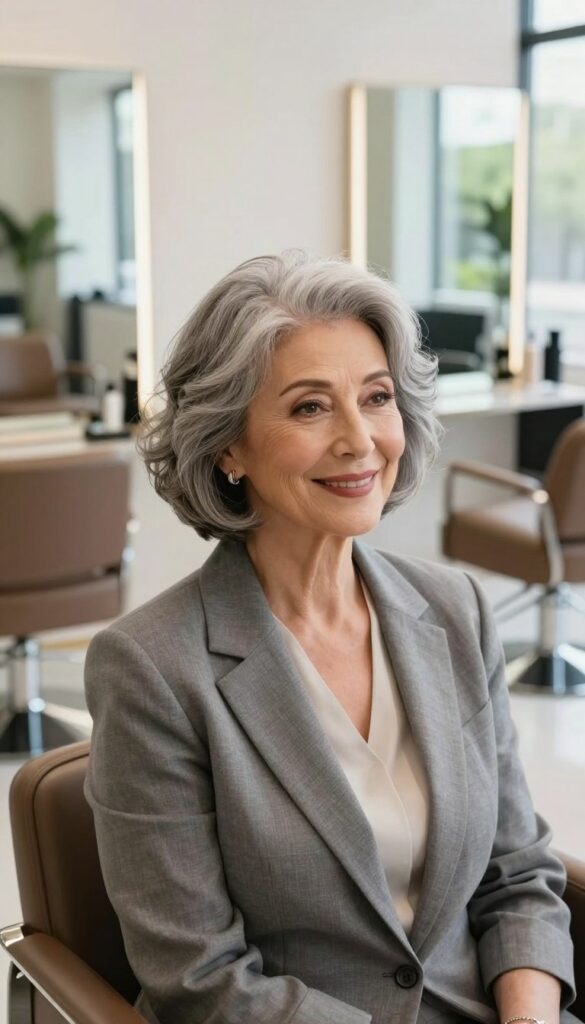
Why bobs stay popular: they look polished, change easily with length, and dress up or down with little effort. A classic bob reads timeless, while an angled or stacked version adds lift at the back.
- Types to consider: classic bob, angled/stacked bob for crown lift, asymmetrical bob for edge, and textured bob for a lighter feel.
- Choosing length: jawline bobs emphasize cheekbones; neck-length bobs soften the profile; longer bobs give more styling options.
- Face-shape tips: angled lines can elongate round faces; soft layers balance sharp jaws and create a gentle shape.
- Simple styling: try a side part for extra volume, use a round brush to bend ends, or add loose waves for a relaxed, youthful look.
- Maintenance: bobs hold shape well, but precision cuts like blunt or angled versions need regular trims to stay crisp.
Layered crops and choppy cuts for more volume and texture
Smart layering reshapes the top and crown to give fine hair the illusion of fullness. A layered crop builds “air” into the shape so strands lift without added weight.
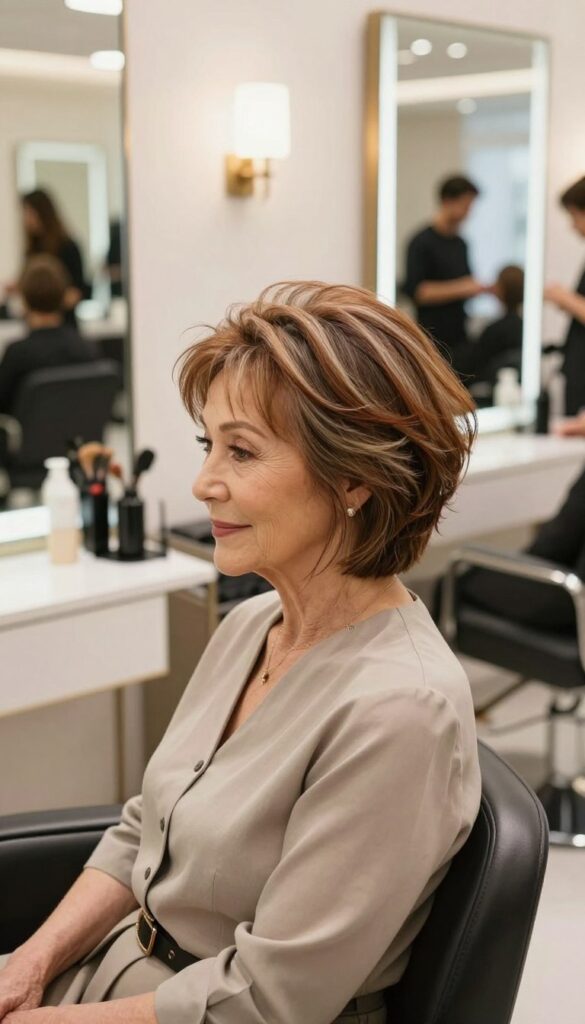
A layered crop is controlled and blended. It uses soft internal layers to smooth transitions. A choppy cut, by contrast, favors separation and piecey ends for a lived-in vibe.
Both cuts boost volume and texture. They flatter fine hair that needs body and thicker hair that wants movement without bulk. The key is balanced volume at the top with a tapered, tidy perimeter.
- Say to your stylist: “soft internal layers,” “texturized ends,” or “choppy pieces” depending on the finish you want.
- Quick styling: rough-dry to the roots, mist a texturizing spray, then define ends with a light wax or paste.
- Visual goal: lift at the crown and clean edges so the cut reads modern, not messy.
Bangs and fringes that soften the face
Bangs can refresh a short cut while keeping overall length intact. They soften facial angles, highlight the eyes, and bring instant softness to a look.
Choose from side-swept bangs for easy versatility, wispy bangs for airy softness, a blunt fringe for a bold statement, layered bangs to blend into a cut, or curly bangs to add texture and movement.
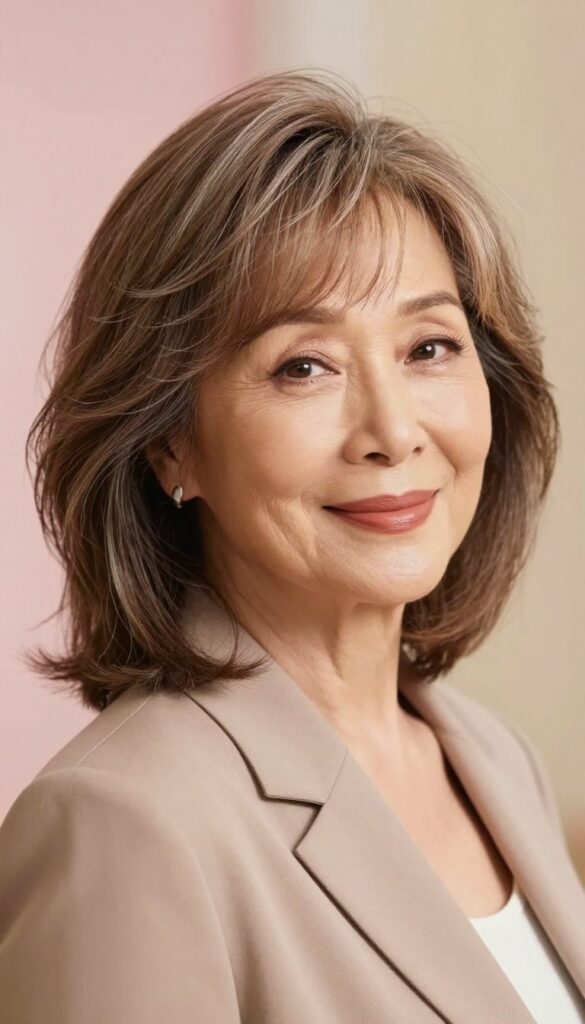
- Practical note: bangs need quick daily styling and trims more often, so pick a style that fits your routine.
- Pairings: pixie + side-swept bangs, bob + blunt fringe, shaggy bob + soft shaggy bangs work well to frame features.
- Cowlicks and hairlines: longer, side-swept options are easier to manage than very short blunt bangs.
- Glasses tip: keep the fringe light and slightly longer to avoid bulk at the brow line and maintain balance with frames.
Short curly hairstyles that feel playful and polished
Natural curls make short looks lively and low-maintenance. Embrace the built-in texture and let the pattern do most of the styling work.
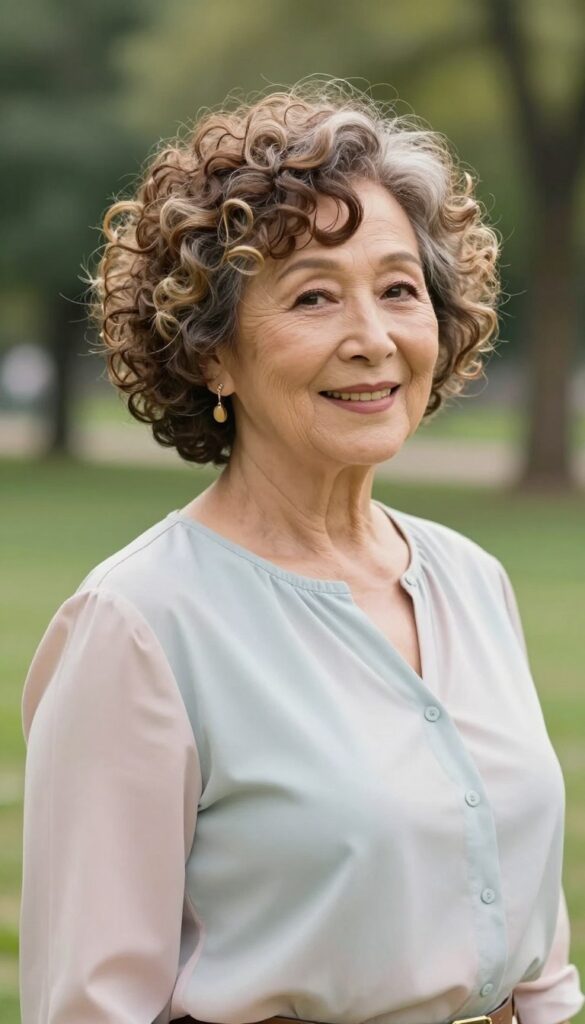
Options range from a curly pixie that stays light and breezy to a classic curly bob that reads chic and balanced. A cropped curly crop or a short afro brings bold shape and effortless bounce.
- Shaping basics: aim for a rounded silhouette, controlled layers, and enough length to avoid too much shrinkage at the crown.
- Styling routine: work curl cream or gel into wet hair, scrunch for definition, diffuse on low heat, then smooth a drop of light oil to tame frizz.
- Volume placement: lift at the crown to elongate the face; reduce width at cheek level for a slimmer profile.
- Maintenance: regular shaping trims and hydration-focused products keep texture fresh and the cut tidy.
Low-maintenance short hairstyles for busy mornings
Busy mornings call for cuts that wake up ready with almost no styling.
Low-maintenance means minimal heat, a predictable air-dry shape, and fewer steps from wet hair to finished look. It also means a cut that grows out without odd bulges so you skip emergency trims.
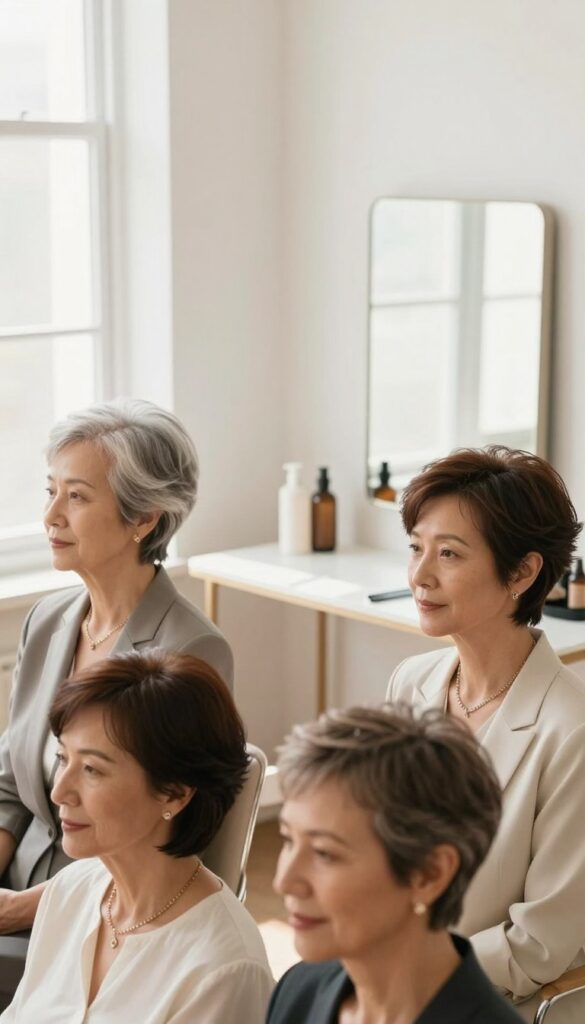
- Tapered cut — a clean outline that keeps a polished look with little effort.
- Smooth crop — true wash-and-go simplicity that suits fine or straight hair.
- Classic pixie — short top options that you can finger-style in seconds.
- Curly crop — natural texture does the styling work; diffuse for 2–3 minutes if needed.
At your consultation, ask the stylist to follow your natural part and curl pattern, and request a neckline that grows out gracefully. That way the cut stays friendly to your routine.
Keep a simple product routine: lightweight leave-in conditioner, optional root-lift mousse, and a flexible-hold cream for ends. Finger-dry the top, use a diffuser briefly on curls, and avoid over-brushing to save time.
Remember: even low-maintenance haircuts need regular trims to keep the shape. A tidy schedule keeps the style predictable and the daily routine faster.
Hair color ideas that make short cuts pop
Color placement is one of the fastest ways to add perceived volume to short locks. On short hair, highlights and lowlights show immediately and create the illusion of lift and texture.
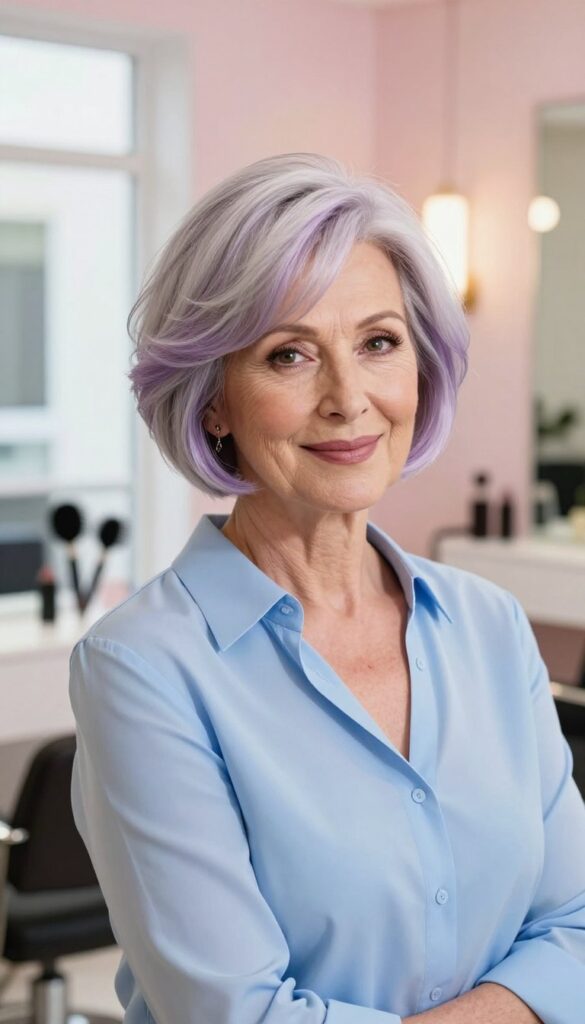
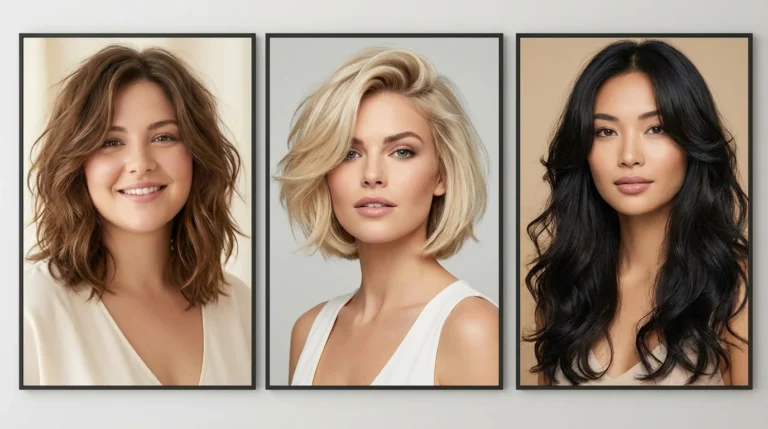
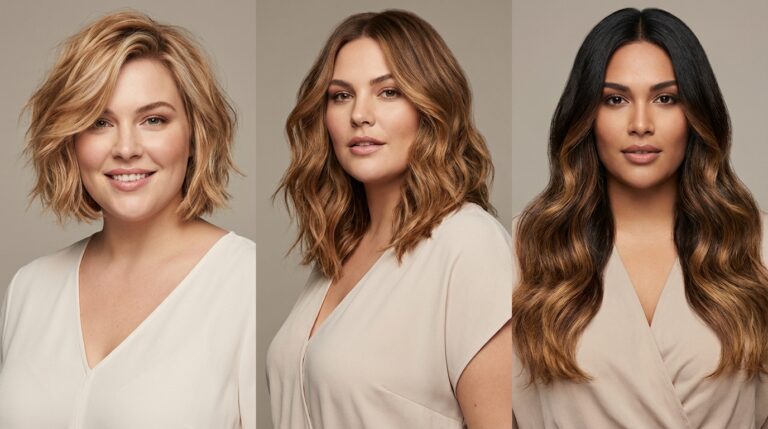
Try soft blonde highlights to brighten the face, warm caramel lowlights to add depth, or salt-and-pepper blending for a modern, refined finish. A rich brunette single-process shade can sharpen the cut’s shape and read as glossy and intentional.
- Face-framing brightness adds an instant lift and freshens your look.
- Deeper tones at the nape create definition and visual contrast.
- Subtle root shadow extends time between appointments and looks natural as roots grow.
When covering grays, decide between full coverage or gray blending. Choose ammonia-free formulas and schedule a deep-conditioning treatment to protect strands and keep color vibrant. Use a color-safe shampoo and a heat protectant to preserve tone and shine for years of stylish beauty.
Styling tips to build volume for fine hair
A little lift at the crown changes how fine hair reads across the whole head. Start with the “fine hair volume” formula: lift at the roots + controlled layers + a lightweight finish that won’t collapse.
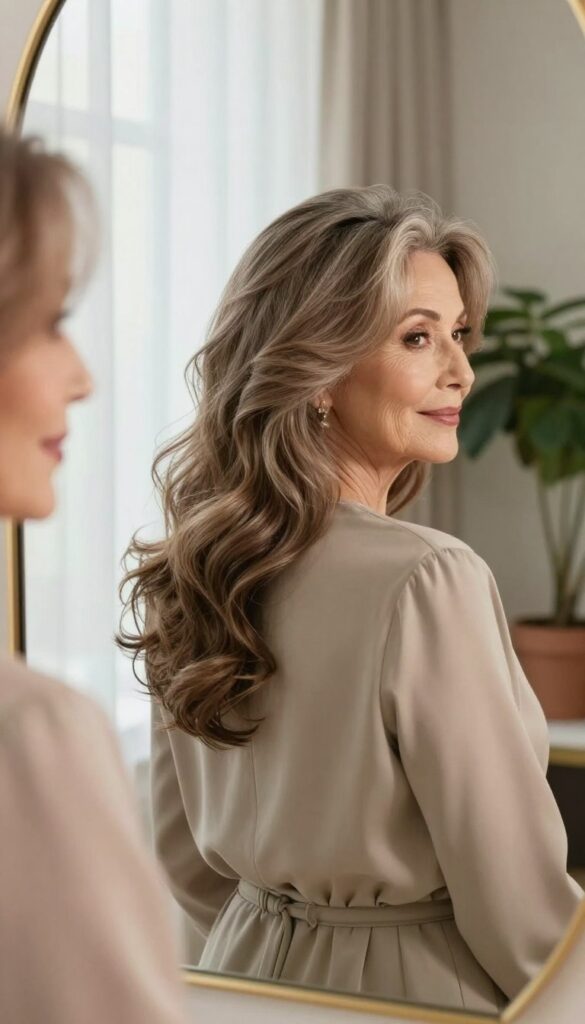
Use a root-lift spray or a light mousse at the crown, then add dry shampoo for grit and a texturizing spray for separation. Avoid heavy oils near the roots so volume stays alive.
- Quick blow-dry way: rough-dry upside down, then use a round brush at the top for 30–60 seconds to set lift.
- Backcombing as an option: tease gently at the crown, smooth the surface to keep it modern, not bulky.
- Haircut pairings: choose a layered pixie cut for height or a textured bob for fullness through the perimeter; subtle layers keep ends from looking thin.
Finish by pinching ends with a pea-size paste and flipping your part slightly. These small styling moves add instant volume without more heat.
Maintenance schedule that keeps your cut looking fresh
Keeping your cut fresh is about timing trims and small at-home tweaks between visits. Short shapes—especially bobs and pixies—need regular upkeep to hold their intended shape and lift.
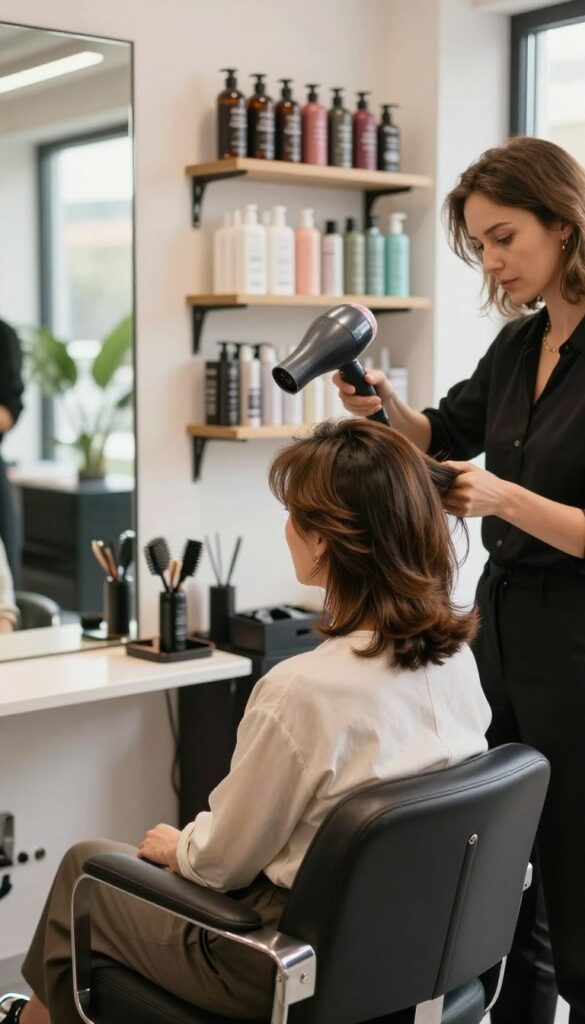
Practical trim plan:
- Most short cuts: refresh every 6–8 weeks to prevent frayed ends and a collapsed crown.
- Pixies: aim closer to 4–6 weeks for clean lines and to keep top length neat.
- Bobs: you can sometimes stretch to 8–10 weeks depending on growth and how the perimeter behaves.
What happens if you wait: ends thin and flip, the crown can go flat, and the overall shape softens. That makes styling take longer and the look lose its crisp intent.
Between visits, do quick at-home care: dust the neckline with small snips, keep bangs trimmed, and use light styling to disguise new growth at the crown. Watch for booking cues—bangs in your eyes, bulk by the ears, a flat top, or ends that flip unpredictably.
Pair trims with color touch-ups when possible. Coordinating time in the chair keeps face-framing highlights and tone aligned with the shape of the cut so hair reads bright and polished for years.
Hair care in your 50s and beyond for healthier-looking locks
Mature hair often needs kinder care: small changes in routine make big improvements. Start by recognizing common shifts—more dryness, reduced density, and altered texture—and treat them gently.
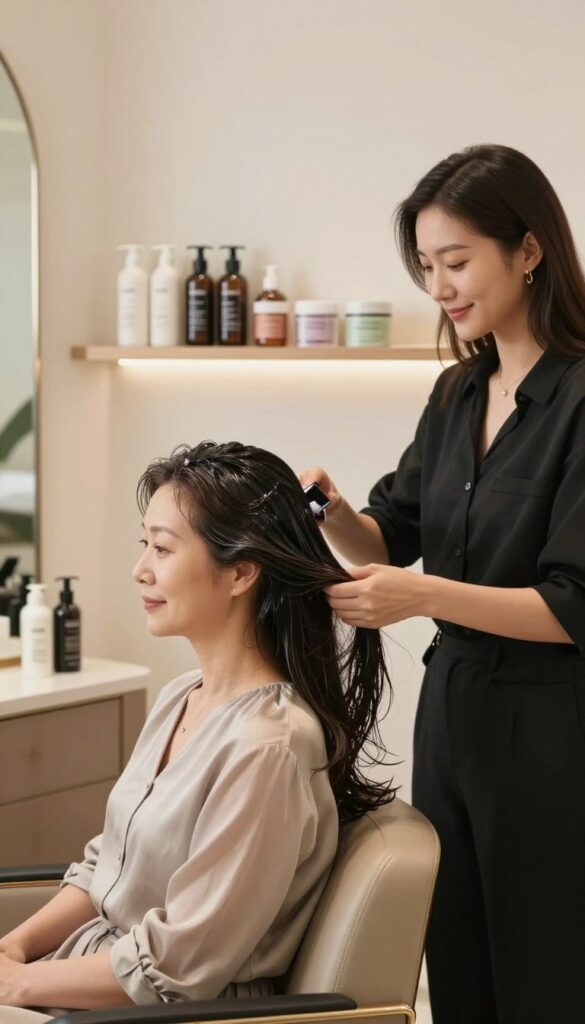
Adopt a hydration-first wash routine. Use a moisturizing shampoo and conditioner, ideally sulfate-free to protect natural oils. Rinse with lukewarm water to help keep the moisture barrier intact.
- Weekly care: a deep-conditioning mask or lightweight treatment keeps short strands glossy and flexible, especially after color.
- Protect tools: always apply a heat protectant and choose quality brushes and irons that reduce snagging to protect locks.
- Match your routine to hair type and texture—gentle cleansing and fewer harsh chemicals help fragile tresses stay strong.
- Regular trims prevent split ends and preserve shape, so schedule maintenance every 6–8 weeks as needed.
- Nourish from within: a balanced diet with protein, iron, and vitamins supports strength and shine.
These simple swaps protect strands and make short cuts look fresher, fuller, and more resilient through the years.
Nighttime habits that reduce frizz and breakage for short hair
Small evening habits protect short styles and reduce morning frizz and breakage. One night of friction can flatten volume, rough up texture, and make bedhead that is hard to reset.
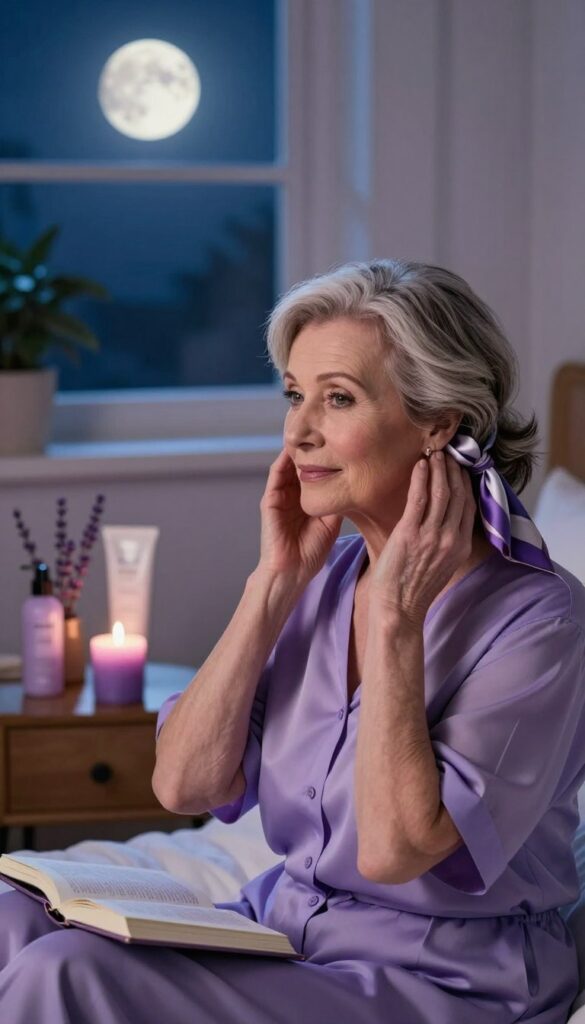
Swap cotton for a silk pillowcase — silk creates about 43% less friction versus cotton. That cuts frizz, lowers breakage, and helps your cut keep lift and shine into the next day.
Buyer checklist you can trust:
- 100% mulberry silk
- Grade 6A and 22-momme weight
- OEKO‑TEX STANDARD 100 label (safety tested)
If you have curls, add a silk bonnet to protect curls and preserve a blowout longer. Before bed, detangle gently, smooth a tiny amount of leave-in on the ends, and avoid sleeping with soaking-wet locks.
These simple steps cut daily styling time, extend time between washes, and keep short cuts looking fresh with less effort. Treat your night routine as part of your styling plan and your cut will thank you.
Conclusion
The right combination of cut, color, and care keeps short looks vibrant and easy to manage.
Pick a silhouette that flatters your hair type: smart layers and texture add lift and lasting volume. A pixie or an angled bob often gives the most visible change.
Shortlist two to three options — pixie, bob, cropped layers, bangs, or a curly crop — and discuss them with your stylist for a custom result.
Remember: volume comes from the cut, styling technique, and subtle color dimension. Bangs refresh a face without starting over.
Keep trims regular, choose hydration-first products, and sleep on silk to cut frizz and protect the style. Save reference photos, share this guide, and pick a look that feels confident and current.