
How long Does It Take To learn How To Cut Hair
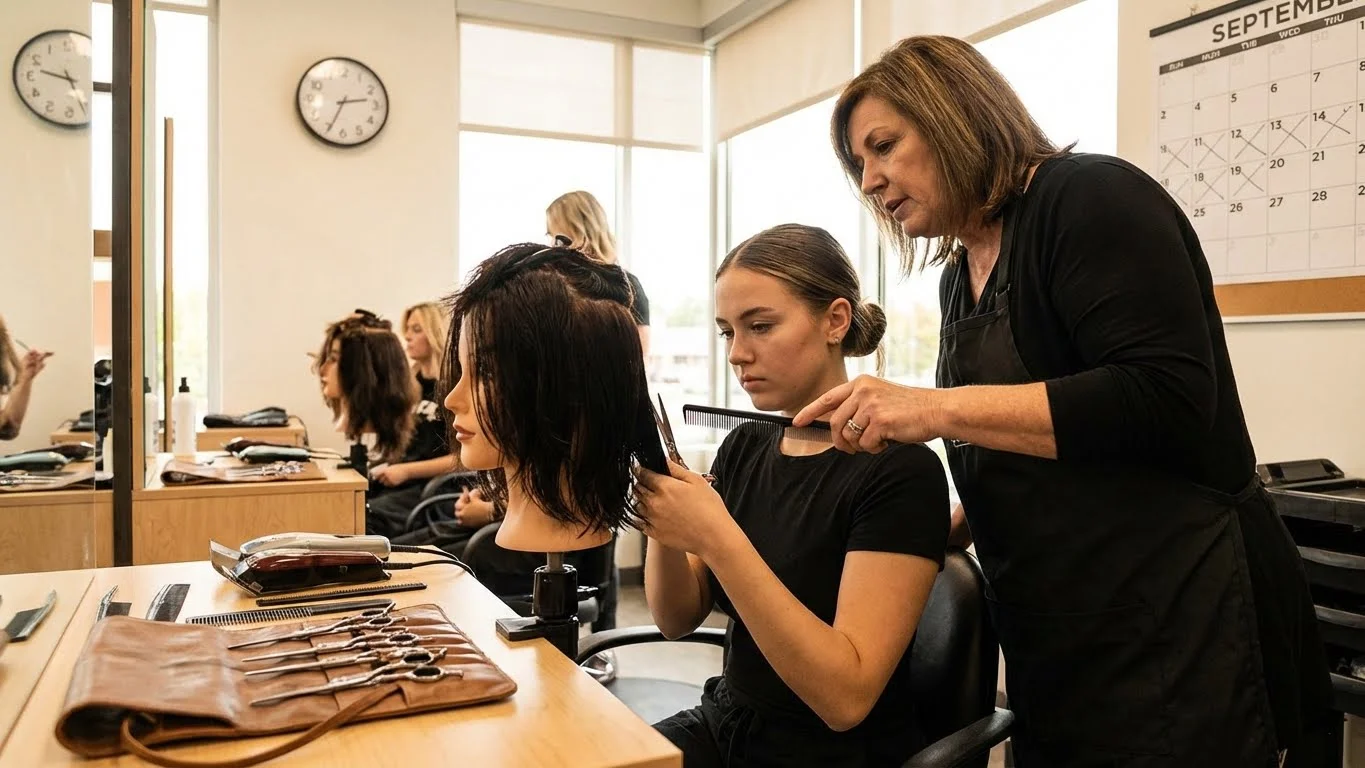
When people ask how long does it take to learn hair cutting, I usually explain it through the path of a hair stylist. To become a hair stylist or become a hairstylist, it generally takes 9 to 24 months, depending on your pace and goals. This time includes enrolling in hair stylist school, completing cosmetology program, and obtaining necessary licensing. The length can vary based on whether you study full-time or part-time, and also on specific state requirements. In this article, I act as a guide, walking you through each step the way I’ve seen it work best in real training environments.
From hands on experience, learning isn’t just about time it’s about repetition and practice. While preparing for passing licensing exams, students spend hours learning practical skills like how to properly sharpen hair scissors and understanding how hair extensions work, which are often part of salon ready training. These details matter just as much as theory, and they shape how confident you feel once you’re working on real clients. Mastering these skills during school shortens the learning curve and helps new stylists transition smoothly into professional work.
How long will it take to learn Hairdressing?
When people ask how long learning hair cutting takes, I explain that hairdressing timeframes vary by path. To get started, it usually takes 3 to 6 months to understand the basics. This period includes cutting, blowing, perming, dyeing, pulling, and other forms of styling. To truly learn hairdressing skills, you must constantly learn and practice, because progress depends on individual practical ability. From experience, beginners who stay consistent improve much faster than those who practice occasionally.
If you are studying in a professional hairdressing training class, it will probably take about 3 months, based on teaching arrangements and practice arrangements. With some foundation, you can enrich skills in two months. Another route is to go to hairdresser’s salons as an apprentice, where the time of study is not fixed. You spend most time on the job, and it can take at least a year to study properly because the store serves customers, there is no teaching system, and learning can be slow to learn compared to structured classes.
Understanding Hair Stylist School
For individuals who are eager to forge career paths in hairstyling, the journey begins by learning how to acquire essential hair cutting and styling techniques. Most people start at cosmetology schools, beauty schools, or multiple beauty schools, where institutions provide all encompassing training programs. These programs are designed to impart critical capabilities by laying groundwork that blend artistic flair with technical prowess. Through this educational framework, students gain an overarching outlook on the evolving landscape of cosmetology, ensuring students graduating are equipped to enter workforce fully prepared for the realm of beauty services. From experience, this structured learning is what truly shapes confidence and direction early on.
After following education, graduates are ready to become professional hair stylists, poised to thrive in the field with both monetary rewards and personal satisfaction. To succeed, successful stylists must develop skillful hands and nurture creativity, along with analytical thinking skills and excellent interpersonal communication abilities. These characteristics are crucial for fulfilling clients’ desires consistently, building customer loyalty. Over time, adaptability and enthusiasm become indispensable, as they empowers stylists to keep up with ever-changing fashion trends while perfecting artistry and staying aligned with new vibrant opportunities.
How long will it take to learn a Haircut?
When people ask how long does it take to learn a haircut, the answer depends on the path you choose. Many beginners start by joining different classes, which are often divided classes based on different periods of time and different costs. The shortest courses can last one month, three months, or half a year, and the cost ranges from more than 2000 to more than 4000, sometimes even 8000 or 10,000. From what I’ve seen, these programs help students build a foundation faster, but progress still depends on individual hands-on ability and mastery, not just time spent in class.
Another common route is to study in hair salon settings, where you usually start as an assistant and learn as apprentice. In this case, you works in store as part of the store team, spending a long time observing and using spare time to practice. Early on, you may focus on perm operation as an operator, learning coloring method, dyeing hair, and understanding the softening degree of a perm, but much of this cannot be completed independently. The third step is to assist hair stylist, and as skills improve, you may be promoted one level. This path usually takes at least two to three years, and the learning time is estimated by how quickly you gain real-world confidence and control behind the chair.
Coursework and Hands on Trainin
Most people don’t realize that learning to cut hair is about more than just time it’s about depth. Well structured programs with dedicated training for future hair stylists focus on robust education covering various facets of the craft. These include hair styling methods, health and safety protocols, human anatomy, use of chemicals, proper treatments, managing salon environment, and fostering client relationships. This mix helps students acquire both theoretical understanding and practical capabilities, which are essential for excelling field demands. From experience, this foundation is what separates rushed learners from confident professionals.
What truly shapes progress is the significance of hands-on experience, which is strongly emphasized because it allows trainees to apply diverse hair styling techniques in an authentic context. Building essential skills like mastering hair styling equipment usage and learning to cut hair is vital for versatility and long-term mastery. Through refinement and specialized instruction in particular practices such as expert blow-drying and bridal hairstyling, the curriculum also underscores necessity of professional conduct with clients, upholding standards, and strict cleanliness. This foundation supports careers that prosperly grow. A dual-faceted approach blending academic learning with tangible application equips pupils at a hair stylist school with deep insights, enabling implementation of what is studied effectively. This comprehensive preparation lays groundwork for aspiring and skilled confidence-filled hairstylists.
Apprenticeships and Training Hours
Time, Training, and Real Practice Behind the Chair
When participating in a hair stylist training program, most people are surprised by the structure and commitment it requires. Training usually involves 1,500 to 2,000 hours of rigorous education, carefully designed to provide substantial practice in key competencies like cutting, styling, coloring, and shampooing hair. This journey toward becoming proficient hairstylist usually takes place in schools specialized in cosmetology or hair design, or alternatively through licensed salons that are authorized by state. In my experience, this balance of classroom and hands-on work is what builds confidence early.
In some states like California, an apprenticeship path is also common, where the state mandates two years totaling 3,200 hours, plus additional 220 classroom training hours. This comprehensive regimen ensures trainees gain profound insights and wide-ranging knowledge across various aspects of cosmetology. In these settings, under vigilant supervision from seasoned professionals, students hone skills meticulously and prepare for the practical exam. Watching apprentices grow in real salons has shown me how powerful this mix of time, discipline, and guided practice can be.
The State Licensing Exam Process
Licensing, Exams, and What It Really Takes
To legally engage in professional hair cutting practice, individuals are required to finish training program options that are sanctioned by state rules and achieve success in the state licensing examination. This licensure process usually involves a minimum of 1,000 hours of dedicated training, followed by passing state licensing exam requirements. From my experience, this educational journey feels intense but focused, because candidates must display proficiency through a theoretical exam, written exam, and practical exams. These examinations aim at assessing an aspirant’s understanding of cosmetology, along with strict adherence to health & safety protocols, ensuring future stylists can offer services that remain fully professional and adhere to safety standards.
What many don’t expect is how much support exists while gearing up for these assessments. Most schools provide simulated exams and tailored coaching to assist students in successfully clearing hurdles. After that, aspiring professionals must collate evidence of academic accomplishments and practical experience before submitting application paperwork for a cosmetology license. This conclusive action verifies they possess qualifications needed to operate as licensed hairstylists. Securing license within the realm of cosmetology becomes an affirmation of real expertise and knowledge, ultimately unlocking vocational avenues across the wider beauty sector.
Financial Considerations
Understanding the Cost and Support Behind Training
When enrolling in a hair stylist school, many people are surprised by the substantial economic commitment involved. The annual fees for training often range between $10,000 and $20,000, which can feel overwhelming at first. However, there are many financial aid opportunities designed to alleviate burden, including scholarships and grants that provide monetary relief and doesn’t necessitate repayment. From what I’ve seen, students with pressing financial needs who attend accredited institutions can benefit from federal aid programs such as Pell Grants, offering up to $7,395. In addition, work-study arrangements enable students to take on part-time employment while pursuing education at the school, which really helps with aiding financially throughout the educational journey.
Another path that often gets overlooked is apprenticeship schemes, which play a pivotal role by offering chance to earn income during training periods. These programs permit students who are intending on becoming stylists to concentrate on honing skills and absorbing knowledge without impeded progress caused by financial worries. In real salon environments, I’ve watched apprentices grow faster because they stay focused, supported, and motivated, proving that learning hair cutting is as much about structure and support as it is about time spent training.