How Many PRP Sessions Are Needed For Hair
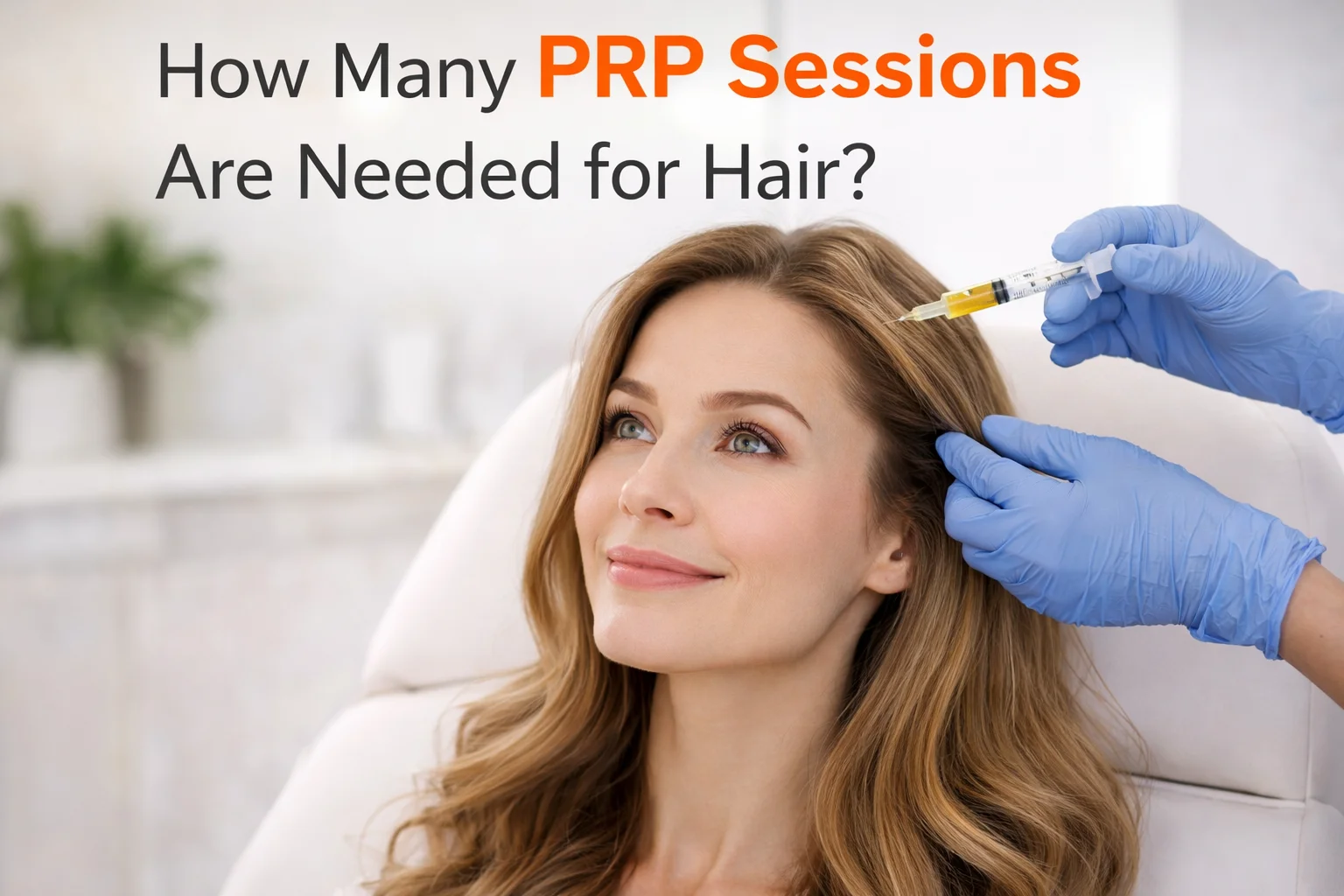
When people ask about the number of sessions for PRP injections, I explain that there is always variation based on real experience in hair restoration work. On average, most patients see noticeable results after 4 to 6 sessions, because platelets from Platelet-Rich Plasma help stimulate hair growth and improve thickness in thinning areas. This non-surgical option works best for early hair loss and moderate hair loss, offering natural improvement with gradual results. In practice, PRP hair restoration depends on customized treatment plans, shaped by patient hair condition and clear treatment goals, which is why PRP is a leading option today.
From a clinical view, PRP for hair loss usually starts with 3 to 4 initial sessions, done weeks apart, followed by maintenance sessions every few months. This safe treatment helps stimulate follicles, support natural regrowth, and address thinning hair in early stages. During the PRP process, we take a blood sample, concentrate plasma, and inject scalp areas to achieve thicker hair and fuller hair, without no surgery. Patients often ask about side effects, benefits, and treatment expectations, especially when self-esteem is affected. Compared to hair extensions or hair grafts do i need questions, advanced PRP treatment focuses on hair rejuvenation, smart decision making, and lasting results, as seen with Philadelphia Hair Restoration and modern PRP hair treatments.
What Is PRP Hair Restoration and How Does It Work?
When people ask me how many PRP sessions they really need, I usually explain it from experience with patients who want improvement without surgery. In most cases, 4 to 6 sessions are recommended, because PRP results are gradual results and not instant. After the second session or third session, many notice new growth, visible hair regrowth, and reduced hair thinning. This happens because PRP hair restoration works by reactivate and stimulate weak hair follicles, inactive hair follicles, dormant hair follicles, and weakened hair follicles, helping to keep follicles active. The goal is stronger hair, thicker hair, and natural hair regrowth by supporting the hair cycle, hair root, and long-term hair growth.
From a clinical point of view, PRP or platelet rich plasma is a non invasive hair restoration treatment option that differs from a traditional FUE hair transplant. The process uses your own blood, derived from blood, starting with a blood draw where we take your blood out, spin in centrifuge, and collect plasma. This concentrated plasma is rich in platelets, growth factors, and stem cells, and works to repair, encouraging healing while it increase blood supply, improves blood supply, and boosts blood supply. By injecting concentrated platelets and injected into scalp areas, we focus on targeting follicles that need the most support, improving scalp, scalp health, and overall health, while it prolongs growth phase. To maintain results, ongoing maintenance treatments help continue support for healthy follicles and sustained long term hair growth.
Typical Number of PRP Sessions Most Patients Need
A Practical Way to Understand PRP Session Planning
In real practice, I often explain PRP treatment by starting with what surprises most patients results vary patient to patient. A common general guideline is a series of three sessions, but many people actually benefit more from 4 to 6 sessions or even four to six initial treatments, depending on hair goals and the degree of hair thinning. In severe cases, it is often beneficial and better to start with 3 to 4 treatments during the Initial Phase, with initial sessions and initial treatments carefully spaced at an interval of 4 to 6 weeks apart or one month apart. This phased approach helps the scalp and follicles receive repeated stimulation, which is essential for the body to absorb growth factors and respond effectively.
From hands on experience, I’ve seen how PRP hair restoration treatment supports healing when done as a series that later transitions into the Maintenance Phase. After early progress, maintenance sessions or maintenance treatments are usually recommended, often 1 session every 4 to 6 months, with the frequency carefully determined by Dr. Snodgrass based on individual patient response, individual response, and overall response. This process stimulates the scalp environment, supports consistent hair regrowth, improves hair growth results, and aims for long-term improvement. While protocols can differ, the shared goal is to help follicles stay active long enough to deliver visible progress and sustained benefits that truly benefit patients over time.
Benefits of PRP Hair Restoration
PRP Sessions Explained Step by Step
1. When I speak with patients about PRP, I explain that PRP hair restoration is a non invasive, non surgical, and minimally invasive treatment designed to fit easily into daily life. This non invasive hair restoration treatment is chosen by many people who want results without surgery, unlike traditional FUE or FUT hair transplants. The focus is on comfort, flexibility, and making it easier to stay consistent with sessions.
2. The procedure itself is a quick and easy procedure, usually lasting about half an hour. It begins with drawing blood from the patient’s blood, followed by an injection that is administered via injection. Many people simply visit office during a quick lunch break or while running errands, even when they are receiving treatment. The natural growth factors in the blood help stimulate hair growth with minimal discomfort.
3. One reason PRP is easy to commit to is the recovery. There is minimal recovery downtime and no significant downtime, so most people return to normal activities immediately or immediately following appointment. Any mild side effects usually subside within a day or two, allowing a quick recovery and seamless recovery, which helps patients stay on track when planning how many PRP sessions are needed for hair growth.
Common Side Effects of PRP Hair Restoration
Understanding PRP Session Safety
PRP hair restoration is considered a safe procedure, and in my experience, most patients feel comfortable knowing what to expect before starting. While receiving treatment, some people notice minor side effects, but these are usually mild and temporary. Understanding this upfront helps patients feel more relaxed and confident when planning how many PRP sessions are needed for hair improvement.
Common Sensations During Treatment
During the PRP procedure, mild pain or discomfort is common. Patients often describe a slight sting or pressure from the injections, along with tenderness in the treated area afterward. These sensations usually fade within a few hours to a day, and simple pain relievers can help manage any lingering soreness. This part of the experience is very manageable for most people I work with.
Recovery and Aftercare Experience
After treatment, the scalp may show swelling or redness at the injection sites as a normal reaction. These signs typically reduce within 24 to 48 hours, especially if you keep your head elevated or apply a cool compress. Some patients also notice mild bruising or itching, which usually fades in a few days. Avoiding scratching and following basic aftercare advice helps protect results and supports smoother recovery between PRP sessions.
When Will You See Results?
Early Signs Patients Often Notice
Many Patients first notice small but encouraging changes after starting PRP sessions. One of the earliest signs is reduced hair shedding, along with subtle thickening in existing strands. From my experience, this stage reassures people that the treatment is working beneath the surface, even if visible growth is still limited.
When New Growth Becomes Visible
As sessions continue, new baby hairs start to appear, and the overall density of the scalp clearly improves. This is usually when confidence builds, because the hair begins to look healthier and more evenly filled in. I often remind patients that this phase depends on staying patient and allowing the process to unfold naturally.
Building Strength With Ongoing Care
Over time, the hair becomes fuller and stronger when people stick with consistent treatments and proper maintenance. In practice, this steady approach helps maintain results and supports lasting improvement, making it easier to understand why PRP is planned as a series rather than a one-time session.
Who Is A Good Candidate for PRP Hair Restoration?
From my clinical experience, it helps to start by understanding who PRP really helps before counting sessions. PRP hair restoration treatment works best and is most effective for men and women, as well as individuals and patients, who are in the early stages of hair thinning, dealing with early hair thinning, mild hair loss, or moderate hair loss, including mild to moderate hair loss. These cases are considered ideal because there are still functioning hair follicles, and PRP requires active hair follicles to be truly effective. In contrast, PRP is less effective for severe hair loss, advanced balding, or complete baldness, where follicles no longer active limit results.
In practice, every plan begins with a consultation, where Dr. Noah Gratch evaluates scalp health, medical history, and treatment goals to determine candidacy. The goal is to enhance hair density, slow down hair loss, and maintain current hair without surgery. PRP may not be suitable for everyone, especially those with blood disorders, autoimmune diseases, or active scalp infections, as these factors affect healing and response. In such cases, patients are guided to consult specialist teams and explore alternative treatment options, ensuring only good candidates move forward with PRP sessions.
PRP vs. Hair Transplants: Which Is Right For You
From my experience, patients often get enhanced results when PRP is combined with other supportive options. Many people pair PRP treatments with topical medications or oral medications like minoxidil and finasteride, along with low-level laser therapy to boost circulation and nutritional support for overall hair health. When deciding between PRP treatments and hair transplants, it’s important to consider factors such as the severity of hair loss, the presence of active follicles, personal preferences, invasiveness, and recovery time. PRP is often ideal for individuals in the early stages of hair thinning who still have existing hair follicles, because it is minimally invasive, involves little downtime, and is suitable for non-surgical hair restoration.
On the other hand, FUE hair transplant procedures are usually recommended for people with significant hair loss, bald areas, or when follicles no longer active limit PRP results. This surgical procedure transplants hair follicles from one part of scalp to balding areas, offering a more permanent solution for advanced hair loss. In real consultations, doctors at Philadelphia Hair Restoration help patients decide on the best treatment during a free consultation, matching the right approach to long-term goals rather than rushing the choice.