How Much Salon Hair Extensions Prices, What to Expect
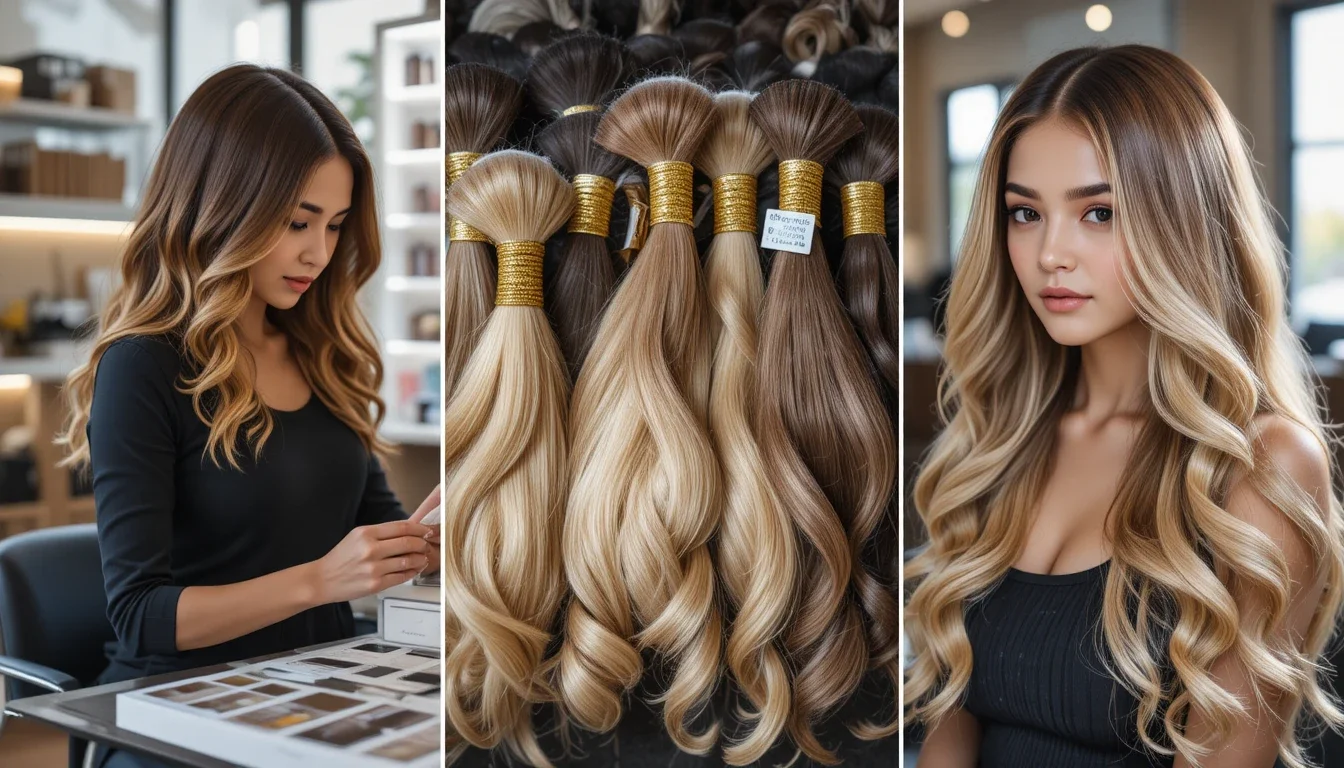
When individuals start looking into salon prices for extensions, they often discover how significant the cost can be, especially when they factor in the amount of hair, the length, the texture, and the volume they want. A quick overview of real pricing helps people decide what works for their needs, because the range varies widely between bundles, weaves, wigs, and other types of add-ons.
Many clients seeking a new look also wonder how specialists match density, thickness, or even braids and cornrows to build the right foundation, and it’s important to stay transparent about what affects the total. From my experience working with hairstylists, people probably expect simple answers, but the truth is that pricing depends on lifestyle, ongoing maintenance, and the work involved in the installation, especially with long-term styles that require care to achieve the desired results. Even something as everyday as learning to sharpen hair scissors teaches you how much effort goes into creating natural, finer, or more voluminous looks without causing damage.
What often surprises someone new to extensions is how many details are associated with quality—like matching tones, choosing traditional or different methods, deciding whether to add less or more, or selecting the best option for their lifestyle. A good guide will provide a comprehensive breakdown of pricing, explain the investment, and even suggest ways to enhance results through proper maintenance and professional work.
Clients sometimes ask questions about why a salon charges extra for installation, but once they understand how stylists create a flat base, apply protective steps, and work with depending factors like texture and thickness, the decision becomes easier. Whether you find yourself choosing available styles, comparing average salon prices, exploring splash highlights, or reviewing a full rundown of details, knowing the process helps you feel wanted as a client and confident in the results you’re paying for.
Types of Hair Extensions and Their Costs
Clip-In Hair Extensions
- Cost Range: $100–$200
- Easy to apply, removable, and great for temporary volume or length
Clip-in hair extensions are one of the easiest and most beginner-friendly options because they can be applied and removed at home within minutes. They come in wefts with small clips attached, allowing you to add instant length and volume without the commitment of permanent extensions. Since they don’t require heat, glue, or braiding, they’re gentle on natural hair and perfect for occasional styling, events, or experimenting with new looks. Their affordability and low maintenance make them popular among beginners and those who want flexibility.
Tape-In Hair Extensions
- Cost Range: $200–$600 (including installation)
- Lightweight, natural-looking, and ideal for fine to medium hair.
Tape-in extensions are lightweight, flat, and designed to blend smoothly with natural hair, making them a great choice for people with fine or medium textures. Each piece is attached close to the scalp using medical-grade adhesive tapes that hold securely while still being gentle. They offer a very natural look and require professional installation for best results. With proper care, tape-ins can last several weeks before needing adjustment, making them a low-maintenance yet polished option for everyday wear.
Sew-In / Weave Extensions
- Cost Range: $150–$300 for installation + cost of hair
- Best for thick or textured hair and protective styles.
Sew-in or weave extensions involve braiding the natural hair into cornrows and sewing the extension wefts onto the braids using a needle and thread. This method is especially beneficial for thick, textured, or curly hair because it provides strong support and long-lasting results. Sew-ins can create dramatic length, volume, and versatility while also serving as a protective style for natural hair. Because the process requires skill and tension control, it’s best done by an experienced stylist to ensure comfort and proper installation.
Fusion / Pre-Bonded Extensions
- Cost Range: $300–$1,000+
- Long-lasting, keratin-bonded strands applied with heat for a seamless finish.
Fusion or pre-bonded extensions use small strands that are attached to natural hair with keratin bonds and heat tools, creating a seamless and long-lasting look. This method allows extensions to move naturally with the hair and blend effortlessly into any style. Although the installation process is detailed and time-consuming, the results can last for months when properly maintained. Fusion extensions are ideal for people who want a highly natural finish and are willing to invest in both time and professional upkeep.
Micro-Link / Micro-Bead Extensions
- Cost Range: $200–$900
- Individual strands attached with tiny beads; reusable and natural-looking.
Micro-link extensions, also known as micro-bead or micro-loop extensions, are attached by pulling small sections of natural hair through tiny metal beads and securing them in place without heat or glue. This method allows for excellent movement and a customizable look because each strand is added individually. They are reusable and can be adjusted easily during maintenance appointments. Micro-links are popular among those who want long-lasting extensions that won’t damage hair when applied by a trained professional.
Beyond Installation: Ongoing Investment
When planning for extensions at a salon, it is important to consider your budget and the needs of your hair to maintain a gorgeous, natural, and healthy look. Regular maintenance appointments are essential to keep extensions in top condition, and the timing for touch-ups varies depending on the method used. Choosing the right products, like sulfate-free shampoos and conditioners such as Oribe, along with proper brushes, silk pillowcases, and gentle hair ties, helps prevent tangling, extra stress, and keeps your hair looking fresh-from-the-salon. Small extras and thoughtful care can make a real difference in how long your extensions last and how worth it the investment feels.
The journey of maintaining extensions also involves understanding the quality, length, and type of extensions you choose, as well as the regular effort required to enhance their appearance. By finding the right balance between care and costs, you can enjoy long, beautiful hair every morning without needing a break. Following a plan and proper maintenance ensures your extensions remain healthy, gorgeous, and natural, while professional guidance and consistent attention agreeably help you achieve the desired look.
Factors Influencing Hair Extension Costs
Type of Hair Extension
The type of extensions you choose—whether clip-in, tape-in, sew-in, fusion, or micro-link—significantly affects the cost. Permanent or semi-permanent methods like fusion or micro-link are usually more expensive because of the professional installation required and the quality of the hair used. Temporary options like clip-in are cheaper and more flexible.
Hair Quality and Length
The quality, length, and texture of the hair play a huge role in pricing. Natural, ethically sourced, and long hair costs more than synthetic or shorter extensions. High-quality hair also lasts longer and blends better with your own natural hair, which can save money in the long run.
Salon Expertise and Maintenance
The experience of the hairstylists, salon reputation, and ongoing maintenance requirements impact the total costs. Professional stylists ensure proper installation, prevent tangling, and maintain the extensions’ health, which may increase the upfront investment but ensures long-term satisfaction and a gorgeous, natural look.
The Importance of Consultation with a Stylist
Before getting hair extensions, a proper consultation with a stylist is essential to understand your needs and ensure the best results. During this meeting, the stylist will assess your natural hair, texture, length, and density, helping you decide which type of extensions will work best. They can also guide you on maintenance, proper products, and installation methods to keep your extensions looking gorgeous and healthy. A consultation allows you to ask questions about costs, longevity, and the desired look, ensuring that your investment aligns with your expectations.
Additionally, a stylist consultation helps prevent common issues like tangling, stress on natural hair, or mismatched texture and color. It gives you the opportunity to understand the care routine needed for long-term results and to plan appointments for touch-ups or adjustments. By discussing extras like silk pillowcases, gentle hair ties, and proper brushes, you get a comprehensive guide to keeping your extensions in top condition, ensuring your hair looks beautiful, natural, and well-maintained every day.