20 Short Hairstyles for Thin Hair
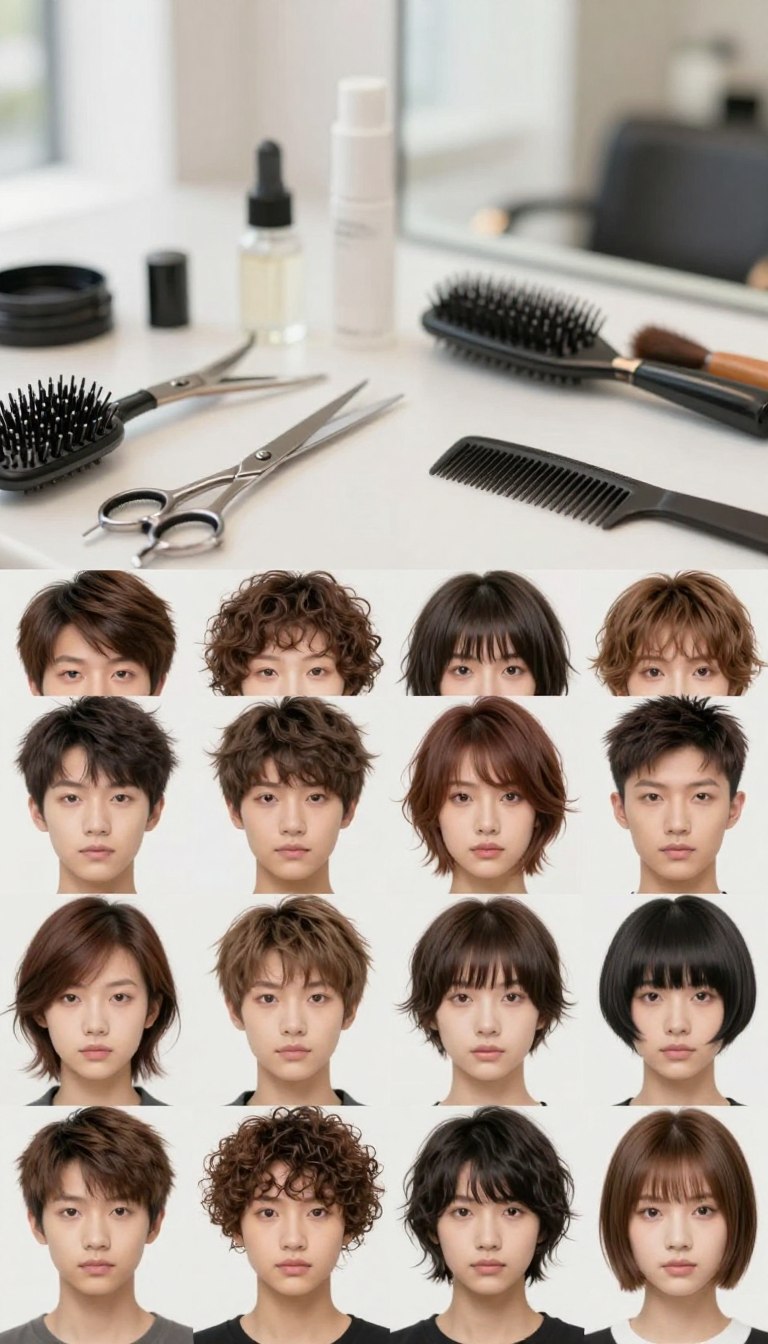
Welcome — this guide shows modern, low-fuss options to boost volume and shape. You’ll find a curated list that helps create the illusion of fuller hair through smart cutting and styling.
Expect practical looks that work with fine strands and lower density. Each entry focuses on perimeter, layering, and texture rather than heavy product or long routines.
The collection includes pixies, bobs, lobs, bixies, shags, and fringe choices so you can match a style to your comfort and daily life. Tips cover face-shape tricks like side parts and bang placement to lift your profile.
Finally, you’ll get simple salon phrases to ask for and easy maintenance steps to keep the cut fresh between visits. Read on to find a hairstyle that gives your hair more body and a polished, modern look.
Why short hair is a game-changer for fine hair and thin hair right now
Trimming length can instantly lift limp strands and give a fresher, fuller silhouette. Less weight pulling at the roots means more natural lift and a bouncier body. This change is simple but effective for fine hair.

How removing length reduces weight and boosts body
When you take off length, strands stop being dragged flat by excess weight. That frees the root to lift, which adds immediate volume and visible body. The result feels lighter and easier to style day-to-day.
What movement and texture do for a fuller-looking appearance
Movement—hair that bends, flips, or parts—reads as thicker than hair that hangs straight down. Texture created with soft internal layers, point cutting, or razor detail adds airy separation without sacrificing density.
- The illusion: a stronger perimeter and a lifted crown make the whole head look fuller.
- Modern cuts balance sleek, structured shapes with tousled, texturized options to suit any comfort level.
- Layering and shaping are the main tools stylists use to boost volume, movement, and texture.
Fine hair vs. thin hair: what your stylist means and why it matters
Understanding strand diameter versus how many strands you have guides the right cutting plan. Fine hair means each strand is small in thickness. Thin hair refers to lower overall density on the scalp.
Strand size vs. density and how that affects volume
Smaller strands slip and lie flat, so shape and texture must give grip and lift. Low density means there simply aren’t as many strands to create fullness. Over-layering sparse areas can make the ends look see-through, while the wrong perimeter makes the silhouette look weak.

Signs your hair needs shape, layers, or blunt ends
Look for a flat crown, stringy ends, or visible gaps where hair parts. A stylist will suggest targeted layers to lift the crown or face-framing pieces to add movement.
- When crown is flat: add soft layers to build volume.
- When ends look wispy: use blunt ends to add visual weight at the perimeter.
- Low density? Combine subtle layers with a strong baseline to keep shape without creating thin spots.
How to choose the right short haircut for your face shape and features
The right cropped shape should highlight your best facial features, not follow a trend. Start by noting your face shape and which areas you want to emphasize—cheekbones, jawline, or crown. Good cuts use perimeter and texture to lift and frame the face.

Face-framing layers to highlight cheekbones and bone structure
Face-framing layers sit around the cheekbones or jaw to direct attention to bone structure. They create a fuller front perimeter and add subtle movement without thinning the overall shape.
Deep side part tricks to balance round, pear, and heart-shaped faces
Shifting to a deep side part adds instant lift and pleasing asymmetry. For round faces, it lengthens the profile; for pear and heart shapes, it balances width and softens the forehead.
A deep side also hides sparse spots at the root and gives more height where hair tends to fall flat.
Where bangs help most: forehead, eyes, and overall framing
Bangs change the entire frame of the face. Long, wispy fringe opens the eyes without weighing down strands. Shorter, side-swept bangs flatter a high forehead and draw attention to cheekbones.
Keep in mind that bangs and face-framing pieces need more frequent trims, but they’re a quick way to refresh your look between cuts.
- Choose a cut that matches facial features, not just a photo.
- Use layers to contour and add front fullness.
- Try a deep side to create lift and mask sparse areas.
- Select bangs based on forehead height and eye emphasis.
20 short hairstyles for thin hair that add volume, texture, and fullness
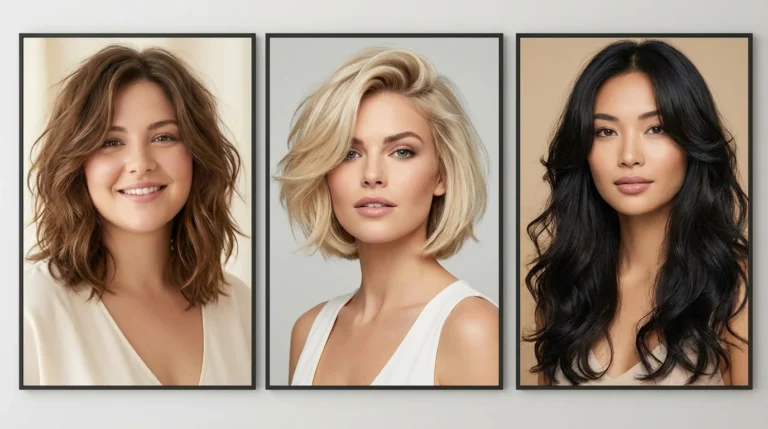
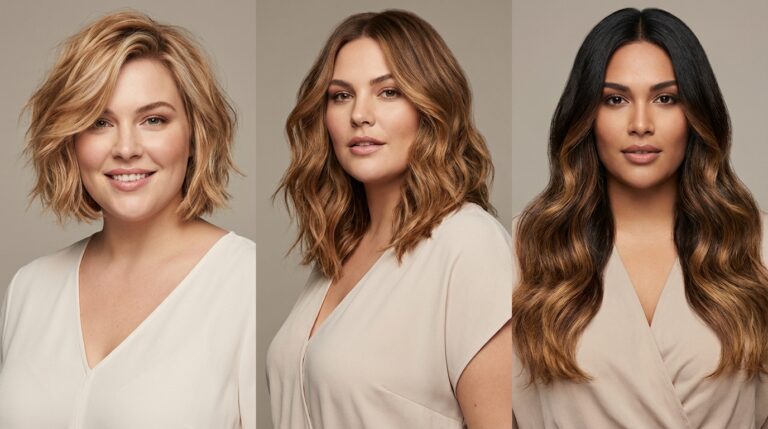
Below is an organized roundup of cropped cuts that add visible lift and shape across straight, wavy, and curly textures.

The list is grouped by type: pixies, bobs, layered bobs, lobs and bixies, shags and wave options, plus bangs and edgy looks. Each entry will note who it suits best so you can match face shape and density.
What “adds fullness” in a cut? Think a stronger perimeter, targeted layers at the crown, and intentional texture that avoids shredding ends. Those moves create a fuller-looking silhouette without extra weight.
- Pixies and cropped tops — lift at the crown and short sides for maximum volume.
- Bobs and blunt ends — add visual weight at the perimeter for density.
- Layered bobs and lobs — soft internal layers keep shape without bulk.
- Bixies and pixie-bob hybrids — blend length and texture for depth.
- Shags, waves, and bangs — natural movement and fringe to frame the face.
Styling tips focus on lightweight products like mousse and dry shampoo to boost lift without buildup. Screenshot two to three favorites and take them to your stylist so the cut can be tailored to your face and density.
Pixie cut options that create lift at the crown
Pixie cuts are a top choice when you want instant lift and a clean silhouette at the crown. They remove heavy length and focus shape where it matters most, making thin sections look fuller and more controlled.

Feathered pixie with airy layers
Feathered pixie styles use soft layers to lift the crown without bulk. Apply a volumizing mousse at the roots before blow-drying to keep the airy shape all day.
Straight pixie with sleek shape
A straight pixie reads polished and intentional. Use a root-lift spray and a flat iron for a smooth perimeter that holds its shape.
Choppy pixie cut for piece-y texture
Choppy layers add separation and instant volume by creating individual pieces. A pea-sized wax or paste adds definition without weighing strands down.
Pixie with side-swept bangs to frame the face
Side bangs soften angles and frame the face while covering a high hairline. Keep the fringe trimmed for a fresh look that draws attention to the eyes.
Voluminous pixie with longer top length
Longer length on top builds natural height and volume without teasing. This cut keeps a fuller profile while staying easy to style.
Sideswept and spiky pixie for extra movement
For a movement-forward look, sweep the top to the side and add textured spikes. It’s quick to style and gives noticeable lift at the crown.
- Why pick a pixie: reduces weight, boosts volume, and sharpens shape.
- Styling tip: light products and root work outperform heavy creams.
- Ask your stylist for targeted layers and a defined perimeter to frame face.
Short bob haircuts that make ends look thicker
A clean bob baseline can trick the eye into seeing thicker ends and a stronger silhouette. This kind of haircut gives a clear perimeter that holds shape and lasts between visits.

Chin-hugging sharp bob
A chin-hugging shape creates a sculpted jawline effect. It sits at the chin to add immediate weight at the ends and frames the face with crisp lines.
Blunt bob to add visual weight
Keeping the length one level produces blunt ends that read denser. A blunt bob prevents wispy, see-through tips and makes the perimeter look fuller.
Tousled bob with a subtle side part
Shift the part slightly and add light texture to create body and bounce. A soft side part lifts the crown and gives movement without heavy products.
French bob with soft texture
The French bob sits at the chin with gentle texture and blunt ends. Air-dry with a touch of texture cream for an effortless, modern look that nods to classic icons.
- Why this cut works: a strong baseline makes ends read thicker and keeps the overall shape stable.
- Styling cues: blow-dry with a round brush for smooth lift, or use a light texture spray to keep movement without weight.
Layered bobs for thin hair that build shape without bulk
Smart layered bobs give thin sections targeted structure so the crown and face look fuller while the ends stay strong. The goal is to add lift and movement without over-thinning the perimeter.

Bob with swoopy layers
Swoopy layers create a rounded, lifted silhouette. A round brush and directional blow-dry make the curve visible and easy to maintain.
Inverted bob with a tapered back
An inverted bob raises volume at the crown while keeping a tapered back and longer front. Think Victoria Beckham’s polished shape—shorter in back, longer in front—to boost shape without weight.
Piece-y angled layered cut
This cut uses choppy layers for airy separation and textured ends. A light dry texture spray adds definition and keeps strands feeling light.
Wavy bob for natural fullness
A wavy bob uses soft waves to camouflage flat spots and add bounce. Slightly off-center parting enhances movement and visible fullness.
- Why it works: builds volume where needed and keeps a solid perimeter.
- Stylist note: adjust where layers start based on density to preserve the look.
- Styling tip: use low-weight products to keep lift and texture.
Short lob and shoulder-skimming cuts that still look full
A lob hits the sweet spot between cropped and shoulder-length, giving shape without committing to very short cuts. It keeps enough length to tuck behind the ear while giving a clean baseline that reads denser at the perimeter.

Layerless long bob for a dense, blunt effect
A layerless long bob creates a solid, blunt baseline that makes the ends look thicker. This no-layer approach works especially well on straight hair because it shows a structured perimeter and a strong visual weight at the tips.
Sleek lob with side part for instant lift
A sleek lob paired with a deep side part adds lift at the roots and a red-carpet polish. Think Mindy Kaling’s glossy lob—shifting the part gives instant volume and frames the face with a soft sweep.
Slicked-to-the-side lob with flipped ends
Slicked-to-the-side lobs with flipped ends feel modern and editorial. Kate Mara’s flipped perimeter is a good reference; the flip gives movement at the bottom without needing internal layers.
- Why choose a lob: the safe middle that keeps length but adds shape.
- Styling plan: apply heat protectant, blow-dry smooth with tension, then flip ends with a flat iron or round brush.
- Best for: anyone who wants a polished, day-to-night look with minimal fuss.
Bixie and pixie-bob hybrids for the best of both lengths
If you want the drama of a pixie but the framing of a bob, hybrids like the bixie and pixie bob offer the best balance. These crossover cuts lift the crown, keep a defined perimeter, and work well when you need shape without going fully cropped.

Dimensional bixie to add depth and texture
The dimensional bixie layers in multiple lengths to create depth and lively texture. Celebrities such as Florence Pugh have shown how multi-length layers make fine strands read fuller and more dimensional.
Ear-length pixie bob for a thicker-looking outline
An ear-length pixie bob sits slightly longer than a pixie and hugs the ear. That subtle length builds a thicker-looking shape and keeps everyday styling quick and forgiving.
Precision bixie for a crisp, modern silhouette
The precision bixie uses sharp lines and clean angles for a sleek, intentional look. It suits anyone who prefers a polished shape and is happy with regular trims to maintain the cut and perimeter.
- What it is: a bixie blends bob structure with pixie texture for lift and framing.
- Styling: use root-lift spray at the crown, then a pea-sized wax to separate ends—less is more.
- Maintenance: trims every 6–8 weeks keep the shape from getting heavy or flipping oddly.
Shag, wolf, and choppy layers for effortless texture
Give your look instant motion with choppy cuts that create visible body at the crown. Broken-up layers stop strands from lying flat against the scalp and add lively movement and volume.

Transition shag that keeps things wearable
The transition shag is a modern, grown-out version of a classic. It adds texture without a full rock‑and‑roll vibe and suits someone easing into shorter shapes.
Micro shag with a wispy fringe to boost movement
A micro shag uses a light fringe to soften the front and distract from low density near the hairline. The fringe creates forward motion and frames the face without heavy weight.
Extra short wolf cut with crown layers
An extra short wolf cut relies on stacked crown layers and piece‑y side/nape layers. Those flips and breaks build lift and an intentionally undone silhouette that reads fuller at the top.
Shaggy bob to stop fine strands from falling flat
The shaggy bob pairs a solid bob baseline with textured interior layers. Quick bends, soft waves, or a gentle tousle keep the perimeter strong while adding airy separation inside.
- Why it works: segmented layers create space and movement so hair does not cling to the scalp.
- Styling: spray sea salt on damp strands, scrunch, then air‑dry or diffuse to enhance texture without heavy creams.
- Pro tip: use minimal product and let the cut’s angles do the work — trims every 6–8 weeks keep the shape lively.
Bangs and fringe that create the illusion of fuller hair
Bangs are a simple optical fix: they move weight forward so the hairline looks denser and the whole silhouette feels fuller. Use them to redirect attention and create the illusion of more volume without heavy products or drastic length changes.

Blunt fringe to add density at the front
A blunt fringe gives a strong, weighty line that reads thicker at the perimeter. On fine strands, a straight, even edge builds instant density at the forehead and anchors the face.
Wispy bangs to soften the face without weighing hair down
Wispy bangs use light, feathery ends to soften facial features. They blend easily into layers and avoid bulk, so you keep movement while still framing the eyes.
Curtain bangs paired with sleek waves
Curtain bangs plus sleek, wet-look waves create a modern, face-framing combo. This pairing—seen on celebrities like January Jones—highlights cheekbones and works well with bobs and lobs.
Face-framing fringe to contour facial features
Longer face-framing fringe sculpts around the cheeks and jawline. Place the pieces to emphasize your best angles and add apparent fullness where density is needed most.
- Bangs concentrate hair forward to mask sparse spots and boost the illusion of volume.
- Blunt lines add structure; wispy cuts add softness without weight.
- Expect quick trims—fringe needs regular touch-ups but changes your look fast.
Edgy short haircuts that add dimension fast
If you want a bold update that instantly reads fuller, edgy cuts deliver contrast and shape. Contrast, asymmetry, and strong lines create visible dimension even when density is low. These moves make strands look thicker by playing with depth and silhouette.

Two-tone undercut that creates depth
A two-tone undercut uses contrast—darker base with a lighter top or the reverse—to make the top section pop. The color change adds immediate depth and helps the upper layers read fuller without adding bulk.
Asymmetric disconnected shape with a deep side part
An asymmetric disconnected shape pairs uneven lengths with a deep side part to add lift at the crown. The gap between lengths creates strong lines and a sculpted silhouette that balances round, pear, and heart faces.
Slicked-back bob for a high-fashion finish
A slicked-back bob gives a polished look that stays controlled. Work a moisturizing pomade through damp strands, comb back, and lock the shape with a light hairspray for sheen and hold.
Finger waves for sculpted texture
Finger waves use setting gel and careful shaping with a comb and clips to make sculpted ripples close to the head. Think Zendaya and Janelle Monáe—this vintage-inspired technique adds tidy pattern and shine for events.
- Why edgy details work: contrast, asymmetry, and crisp edges fake volume and add dimension.
- Maintenance note: these cuts need regular trims to stay intentional, not grown-out.
Waves and curls that make thin hair look thicker
Soft waves and tight curls can instantly widen a silhouette and add visible lift at the roots. They create movement and add apparent density where strands might otherwise lie flat.

Wavy side bob to frame the face and add volume
A deep side part with loose, directional waves (think Hailey Bieber) shifts weight forward and lifts the crown. This wavy side bob frames the face and boosts volume without heavy product.
Curly bob to maximize bounce and fullness
A curly bob uses spring and separation to read fuller at a glance. Katherine Heigl’s bouncy look shows how curl pattern adds instant fullness.
Use a diffuser and a curl-enhancing cream to keep definition soft, not crunchy.
Old Hollywood bob with smooth, layered waves
The old hollywood bob pairs smooth, chin-length waves with subtle layers to deliver glam volume. Sydney Sweeney’s sleek take shows how polished waves create a structured yet full look.
- Why waves and curls work: they add width, motion, and texture so the silhouette reads denser.
- Quick styling: medium-barrel curling iron, let curls cool, then gently break them for softer waves.
- Placement matters: lift near the crown and bend mid-lengths to avoid flat roots or puffy ends.
Styling for volume: tools, products, and techniques that won’t weigh hair down
Volume starts with a simple routine: the correct base product, a confident part, and focused blow-drying. Use lighter items and smart tool work to build height without coating strands.

Root lift with mousse, dry shampoo, and lightweight spray
Apply a pea-sized mousse at the roots on damp hair to set lift. Blow-dry while lifting sections at the crown to lock shape.
Sparingly use dry shampoo between washes for grip, and finish with a fine mist of lightweight spray to hold lift without stiffness.
Blow-dry volume with a round brush and directional parting
Work in small sections with a round brush and pull up at the root while drying. Change your part or try a deep side part to create instant lift and asymmetry.
Texture and separation with pomade, wax, and dry texture spray
Use a pea-sized amount of pomade or wax on the ends to craft piece-y definition. Finish with a dry texture spray to add movement and lasting body.
- Less is more: avoid heavy oils and thick creams.
- Tool tip: use a blow-dry brush for bobs and a small wand for quick bends.
- Always apply heat protectant before hot tools to protect delicate strands.
What to ask for at the salon to get the best shape for thin locks
Bring a plan to the salon: the right language helps you leave with visible lift and a defined outline. Describe the shape you want—crown lift, thicker perimeter, or face framing—rather than only naming a trend.

Exact cutting language your stylist will understand
Use clear terms so the stylist applies the right technique. Ask for choppy layers when you want texture and separation. Request razoring to soften heavy ends, or stacking to add volume at the back of the head.
Ask for blunt ends when you need a denser perimeter and less see-through tips.
How often to trim and why it matters
Keep the haircut fresh with trims every 4–6 weeks. Short cuts like pixies, bixies, and precision bobs lose shape fast. Regular trims stop the cut from going flat and preserve the intended shape and ends.
- What to say: “I want crown lift, a thicker perimeter, and soft face-framing pieces.”
- Stylist decision: choose layers vs. blunt ends based on density—more bluntness when hair is sparse.
- Bring photos and point out crown height, fringe length, and jawline angle.
- Realistic note: the right cut reduces daily styling time, but quick root lift and light texture product help maintain volume.
Conclusion
To finish, a precise cut and light styling create the biggest visual lift. Targeted lift at the crown, a stronger perimeter, and added texture and movement build the illusion of fullness and more volume.
Fine hair and thin hair need slightly different approaches. Pick hairstyles or haircuts that match strand size, density, and face shape. Choose two or three looks from the list as a starting point for a salon chat.
Small habits—root lift, a directional part, and a light texture spray—improve daily appearance without weighing strands down. Keep regular trims to preserve shape so the style stays fresh. With the right cut, simple tools, and a confident style, delicate hair can look full and modern.