20 Flattering Short Hairstyles for Chubby Faces
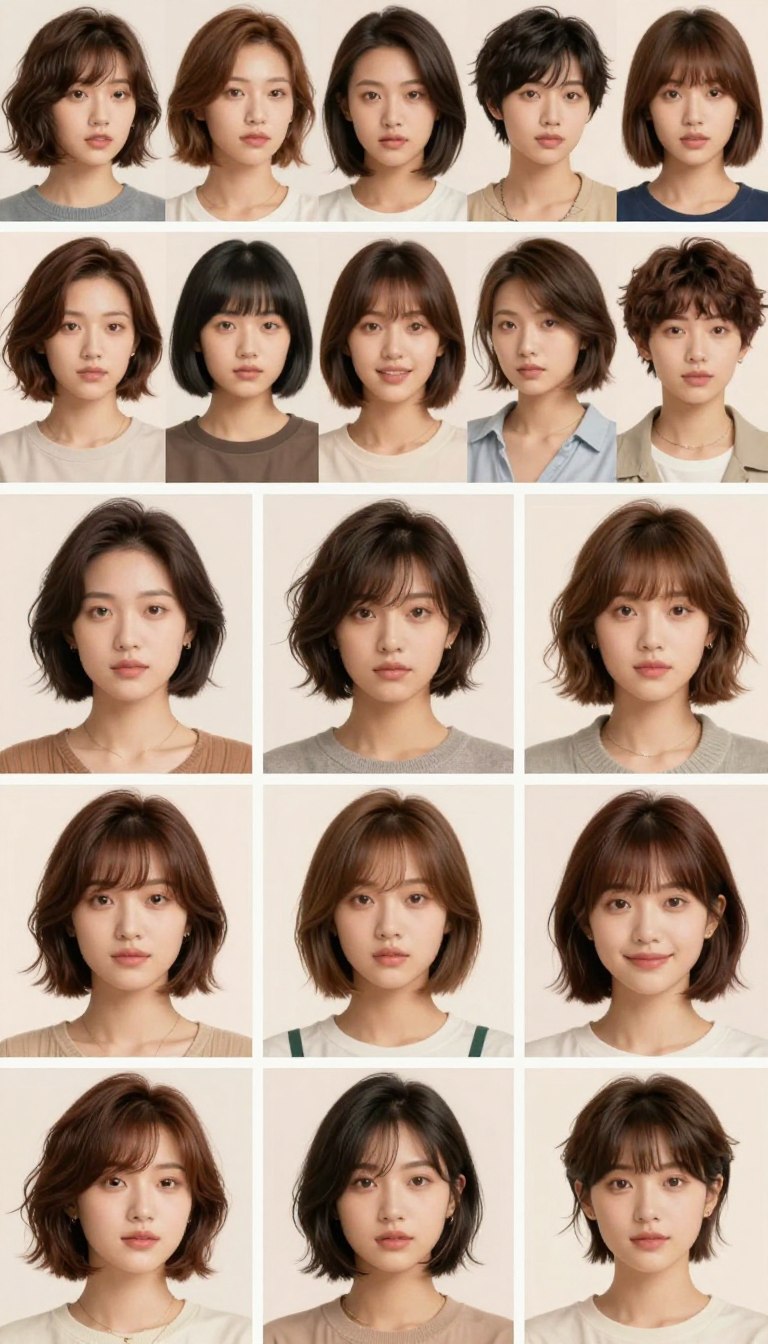
This guide gives a curated, wearable list of cuts that flatter fuller cheeks and rounder proportions. You’ll find options that enhance your best features without masking them.
“Flattering” here means creating balance and definition. The right cut can lift cheekbones, draw attention to the eyes and lips, and make the overall shape feel fresh.
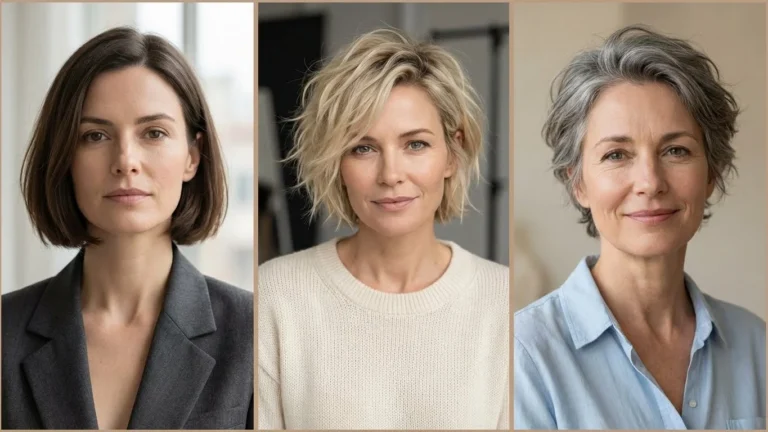
Expect clear categories: angled bobs, chin-length cuts, textured bobs and lobs, shags, pixies, bangs, curly and wavy looks, quick updos, and edgier styles. Each entry includes simple “what to ask for” phrasing a stylist will understand.
Styling matters as much as the cut. You’ll get easy rules on crown height, part placement, and texture to help the face read more elongated when you want that effect.
Recommendations consider different hair types — fine, thick, straight, and curly — so the ideas feel realistic for daily life and salon visits in the United States.
Why short hair can be so flattering on chubby and round faces
A well-cut shorter style often brings balance to fuller proportions without needing extra length. The goal is to add subtle definition and direct the eye to your best traits.
What “flattering” really means
Flattering is about balance, definition, and highlighting features like cheekbones and eyes. It isn’t about hiding the face; it’s about shaping and spotlighting.
Shape matters more than raw length. A cut with lift at the crown and softer sides creates a gentle lengthening effect. That same idea works across hair textures.
- Removes bulk to reveal the neck and jaw.
- Creates cleaner lines that read as more sculpted.
- Uses texture, part placement, and crown height as styling tools.
People want different outcomes: some seek a slimming effect, others prefer to embrace softness. Short styles can answer both goals when proportion is considered.

- Work with your stylist to choose a silhouette that fits your lifestyle.
- Use texture and lift to change how the face reads in photos and in person.
- Remember: short is not off-limits—it’s a design choice that can flatter any face.
How to tell if you have a round face shape
A simple mirror test makes it quick to see whether your proportions read as round.
Quick mirror trick to confirm your face shape
Stand in front of a mirror with a dry-erase marker. Trace the visible outline of your hairline, jaw and chin as you see them.
Step back and look at the traced line. If the outline looks circular or nearly circular, you likely have a round face.
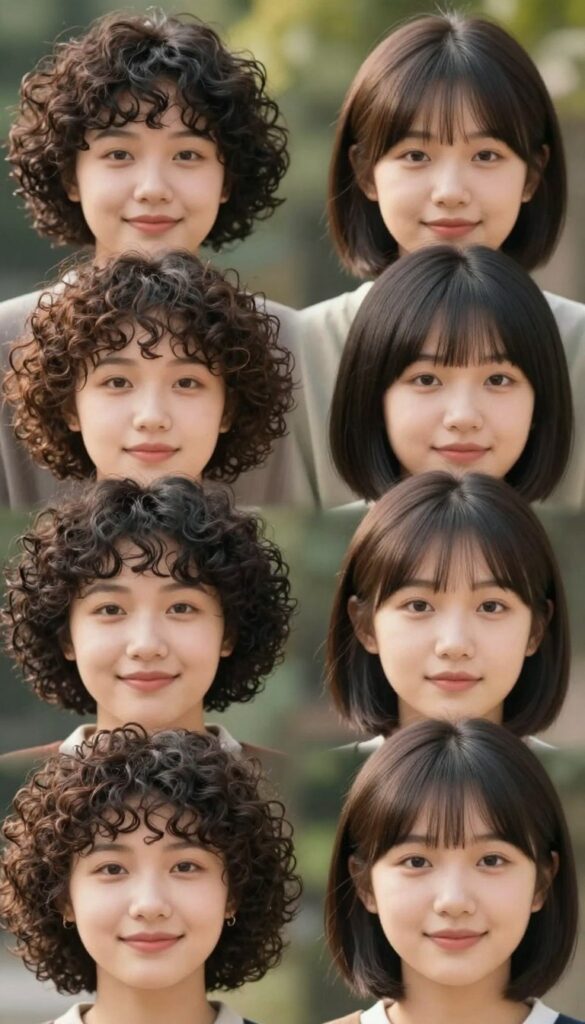
Common round-face traits
- Widest point at the cheeks and a softer jawline.
- Forehead and jaw are similar width; the face reads almost as long as it is wide.
- A gently rounded chin rather than a sharp point.
- Subtle variations exist — many people land between round-oval or round-heart.
Confirming your shape helps you and your stylist know where to add vertical lines and where to avoid extra width at the cheeks. Consider hairline and bangs too; they change how your face reads. In the next section, we’ll turn these findings into clear salon requests and styling rules.
What to ask for at the salon to get a slimming effect
Smart layer placement and measured length are the quick route to a visual slimming effect. Tell your stylist you want vertical movement, not extra bulk at the cheeks.
Where to place layers for a longer-looking face
Ask for layers that create lift at the crown and begin below the cheekbones. That keeps the sides from ballooning and draws the eye up.
Say this to your stylist: “Please add long, blended layers that start under the cheekbones and give subtle crown lift.”
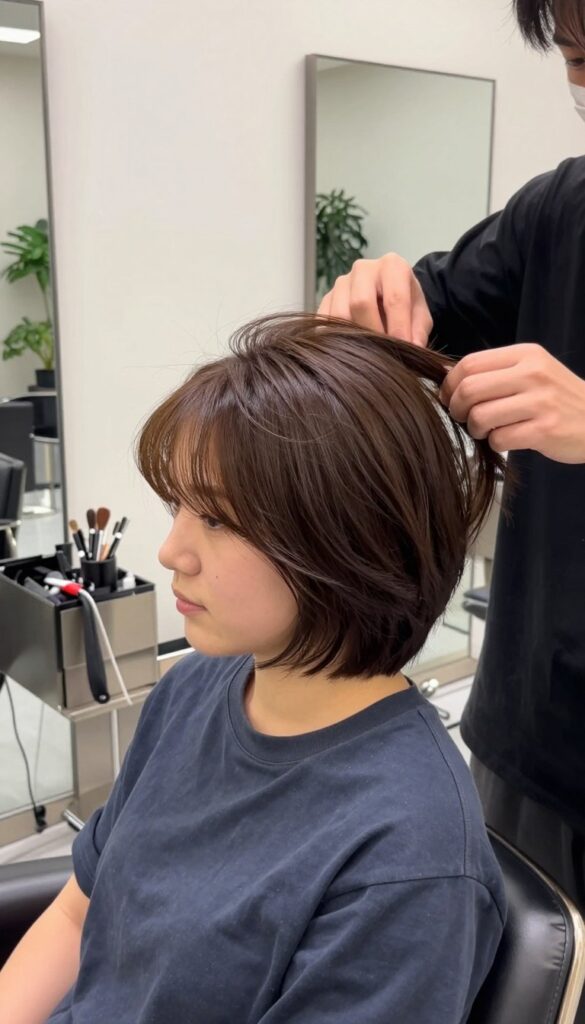
How length around the chin and cheekbones changes the overall shape
Blunt cuts hitting the chin can emphasize width. Longer front pieces that fall past the chin tend to elongate the face and soften the jawline.
Consider face-framing pieces that begin between the lip and chin to reduce front weight and keep the look light. Also ask for a quick density and texture consult so the same cut behaves predictably on your hair type.
- Keep layers focused below the widest point to lengthen the shape.
- Use length and angles to move attention away from the jaw and chin.
- Remember: the slimming effect comes from proportion and angles, not removing your personal style.
Styling rules that make round faces look more sculpted
Tiny adjustments—like adding height at the crown or shifting your part—create big visual change. Add a little crown lift to draw the eye upward and give the face a longer, more oval silhouette in photos and real life.
Easy ways to get lift: flip-dry the roots, apply a volumizing mousse at the crown, then finish with a light texture spray for airy hold. These moves boost volume at the top without puffing the sides.
Asymmetry is a flattering trick. Try a deep side part, a one-side tuck behind the ear, or a long sweep to break facial symmetry and make features read more angular. A side part also helps move attention off the widest point.
Add texture with soft waves or feathered ends so the outline isn’t a single rounded shape. Movement and layers create angles without harsh lines and keep the look modern and wearable.
- Keep fullness up top or toward the ends; avoid heavy volume at the cheeks.
- Quick routine: root lift, a defined side part, and a few flat-iron bends for soft waves.
- Use products sparingly to maintain natural texture and a clean sculpted effect.
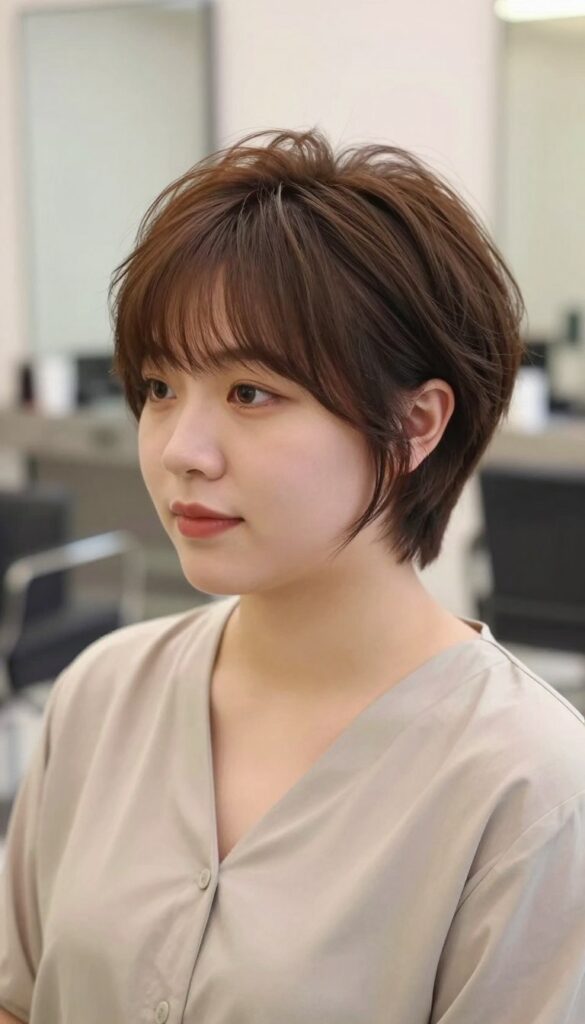
Haircuts and styling choices that can emphasize roundness
Some cuts unintentionally highlight cheek width instead of balancing it.
A blunt bob that lands at the chin can underline the face’s widest zone and make the shape read rounder. A clean, heavy edge hits the broadest point and stops the eye from moving up or down.
That said, a blunt bob isn’t always a problem. Add depth at the roots, texture at the ends, or let the length fall a touch past the chin and the same idea becomes softer. Small shifts change the overall shape quickly.
Center parts can look chic, but a sharp part may double down on symmetry and fullness. A center part can work when paired with layers or movement that break the straight line and add vertical flow.
Practical fixes: soften the perimeter with light texturizing, add subtle face-framing pieces, or switch to an off-center part to create lift. Use short, intentional layers around the front to move attention away from the widest area.
If you love softness, bend these rules intentionally. The next list highlights cuts chosen to add definition, lift, or dimension in strategic places.

20 short hairstyles for chubby faces
Browse this selection of practical cuts that use shape and volume to create a more defined silhouette. Pick two or three favorites, then match them to your hair texture — straight, wavy, or curly — and your daily maintenance choice.
Each idea is adjustable: length can fall a touch below the chin, bangs can be swapped, and added texture will soften the perimeter. Screenshot any looks you like and bring them to your stylist.
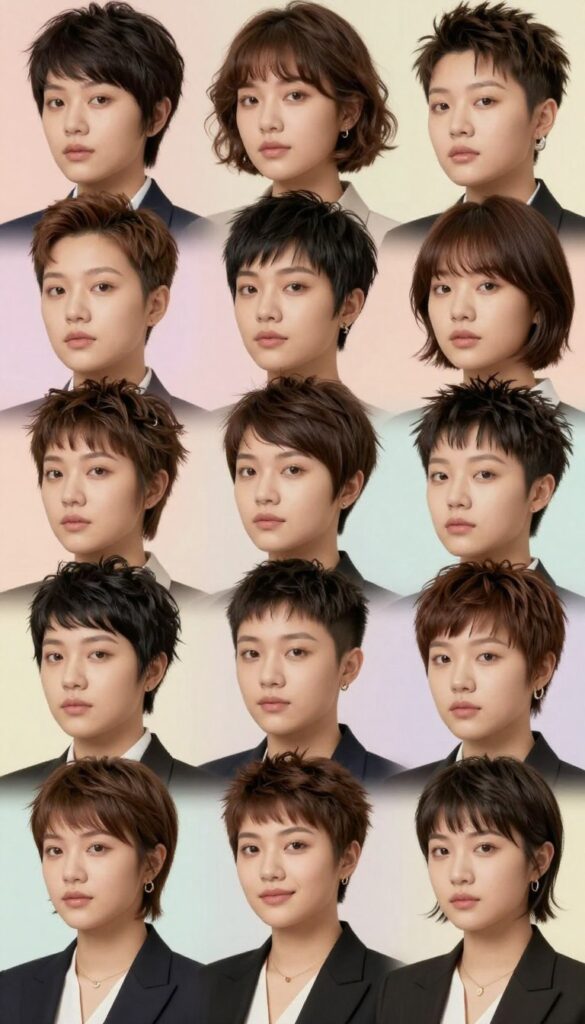
- Choose 2–3 styles that fit your routine and hair density.
- Ask your stylist to customize based on growth patterns and styling habits.
- Mix classics (bobs, lobs, pixies) with modern shapes like shags or faux-hawk details.
The overall goal is consistent: create strategic angles, vertical movement, and dimension to flatter fuller cheeks and rounder face shapes. Next up: angled and asymmetrical bobs that deliver instant definition.
Angled and asymmetrical bobs that create instant definition
A diagonal bob that falls longer in front gives a natural lift and length to the silhouette.
These cuts work well because the longer front pieces create vertical lines that visually elongate the face. The contrast between a shorter back and a longer front pulls attention down and away from the widest zone.
The angled bob keeps the back slightly cropped with front pieces that fall below the chin. This shape frames the jaw and trims perceived width without adding bulk at the cheeks.
An asymmetrical bob exaggerates that effect by adding extra length on one side. The subtle imbalance breaks symmetry and adds instant definition—especially flattering in photos and selfies.
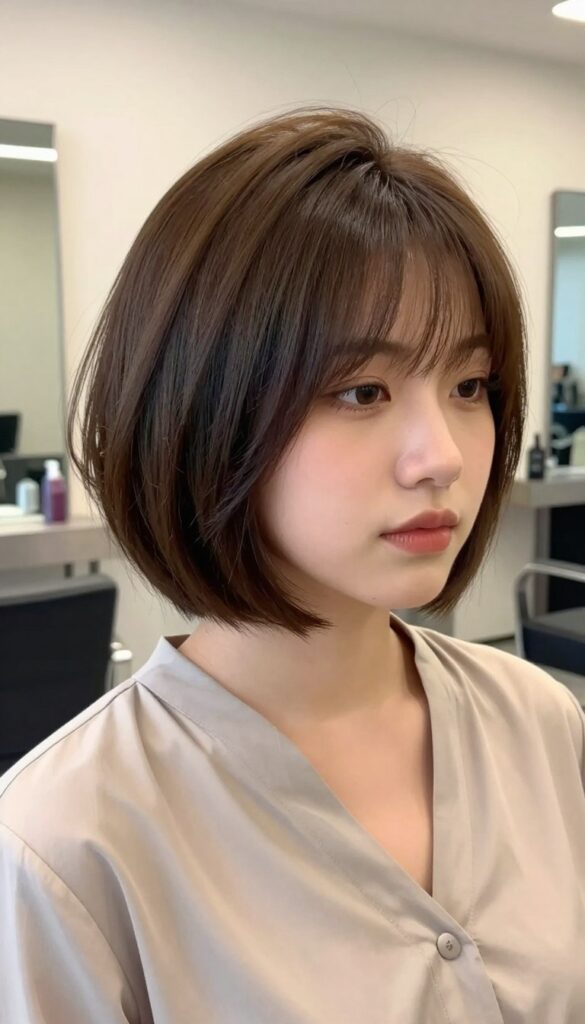
- Wear it sleek for a sharp, structured look or add soft waves to introduce texture that softens roundness.
- Slightly piecey ends look lighter and more modern than a blunt edge and keep the cut from feeling heavy.
- At your consult, ask where the longest point should hit—chin versus just below—based on cheek fullness and jawline.
Chin-length bobs that work when the shape is right
A jaw-skimming bob works best when details like texture and parting break up the silhouette.
When it works: a chin bob flatters if the cut adds movement. Choppy ends or a slight fringe stop the perimeter from reading too round. A side part creates asymmetry and shifts attention away from the widest area of the face.
Chic option: a chin-length cut with choppy ends. The added texture keeps the outline light and gives easy, airy movement. This version is low-maintenance and avoids a heavy blunt bob effect.
Try a side-parted, jaw-length blonde bob with soft layers. The off-center line and feathered layers ease the cheek area and keep the look modern.
Color tricks matter too. A platinum blunt bob with shadow roots adds depth at the scalp and makes growth forgiving. A copper bob with bangs draws attention to the eyes; inward-curving ends soften the jaw.

- Straighten for a polished, refined finish.
- Add bend-through waves for a softer outline.
- Use a root lift product to boost shape and keep ends airy.
Textured bobs and lobs for movement and a softer outline
Textured bobs and lobs bring soft motion that breaks up a round silhouette. Movement adds dimension and stops the eye from resting on the widest point.
A wavy lob uses gentle waves to move attention up and down. The vertical flow visually lengthens the profile and makes the overall look feel lighter.
A graduated bob, tapered in the back, creates natural lift at the crown. That built-in volume keeps shape without heavy daily styling.
The modern textured bob uses piecey ends and relaxed layers. This slightly undone finish avoids a harsh perimeter that can emphasize width.
A sun-kissed ombre textured bob pairs color depth with textured ends. The contrast makes grow-out forgiving and keeps the cut intentional longer.

- Use a wave spray or light mousse to add texture and volume at the root.
- Scrunch and air-dry or diffuse to keep waves soft and natural.
- Avoid heavy creams that weigh down the crown; focus product toward the ends.
Short shag and wolf-inspired cuts that add height and volume
If you want natural lift with low fuss, a wolf-inspired cut uses layers to build shape and crown height. These cuts rely on texture and broken edges to make the face look more sculpted without looking overworked.
The appeal for round faces is simple: lots of layered movement creates angles and lift. A true shag is layered throughout with intentionally piecey separation so the perimeter no longer reads boxed in.
Wavy hair often enhances the shag shape naturally. Waves boost volume and make the cut feel lived-in. A short shaggy bob keeps fullness up top while tapering the sides for a longer profile.

- Try a light, airy fringe to frame the forehead without heaviness.
- Styling: scrunch in a volumizing mousse, air-dry for grit, then refresh with dry texture spray to keep separation.
- Maintenance: regular trims prevent layers from collapsing and keep height in the crown.
This style is low-effort but shape-dependent—tell your stylist you want defined layers and controlled texture so the cut reads modern and flattering.
Pixie cuts that elongate the face with volume on top
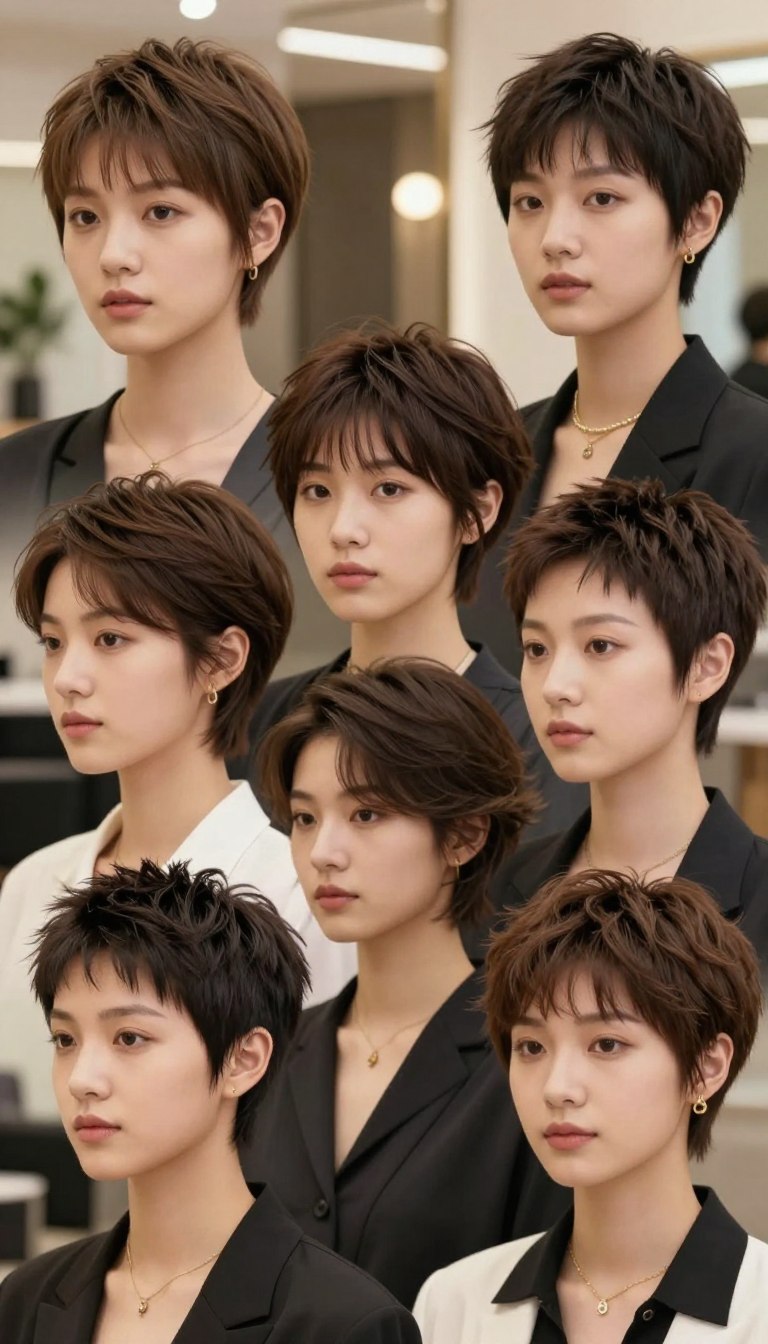
A pixie with measured height on top lifts the eye and creates a longer profile. Tapered sides slim the jawline while the extra top volume gives strong vertical movement.
Try a choppy pixie to add texture at the roots and natural lift. Texture on top keeps the shape airy and gives a subtle slimming effect without looking harsh.
The voluminous pixie pairs tight sides and back with a fuller crown. This contrast highlights cheekbones and makes the face read longer in photos and in person.

- Long pixie with side-swept bangs: a diagonal sweep softens the cheeks and adds flattering asymmetry.
- Pixie bob (bixie) with long layers: more length at the crown and layers gives a fuller, versatile look.
- Maintenance: expect trims every 4–6 weeks to keep sides crisp and the overall shape clean.
Ask your stylist to keep the top long enough for lift and to texturize the roots. Small adjustments to bangs or layers change the final look while keeping the cut focused on elongation.
Bangs that frame round faces without feeling heavy
Bangs can reshape how your face reads by directing attention to the eyes and cheekbones.
Light, face-framing bangs create definition without adding bulk at the cheeks. They guide the eye upward and toward features you want to highlight.
Curtain bangs are tapered pieces that graze the cheekbones and part in the middle to open the face. Curtain bangs add vertical movement and are relatively low-maintenance.

Pairing side-swept bangs with a side part adds flattering asymmetry. That combo makes the overall face look longer and more angled.
- Wispy fringe: airy, light ends that give forehead definition without weight.
- Choppy bangs: piecey texture that breaks up roundness and adds modern edge.
- Styling tip: blow-dry with a round brush for bend; use a lightweight leave-in to prevent frizz and keep texture.
Choose the type of bangs that suits your growth pattern and daily routine. With the right cut and simple styling, bangs can change shapes and make your look feel more sculpted.
Curly and wavy short hairstyles that spotlight your features
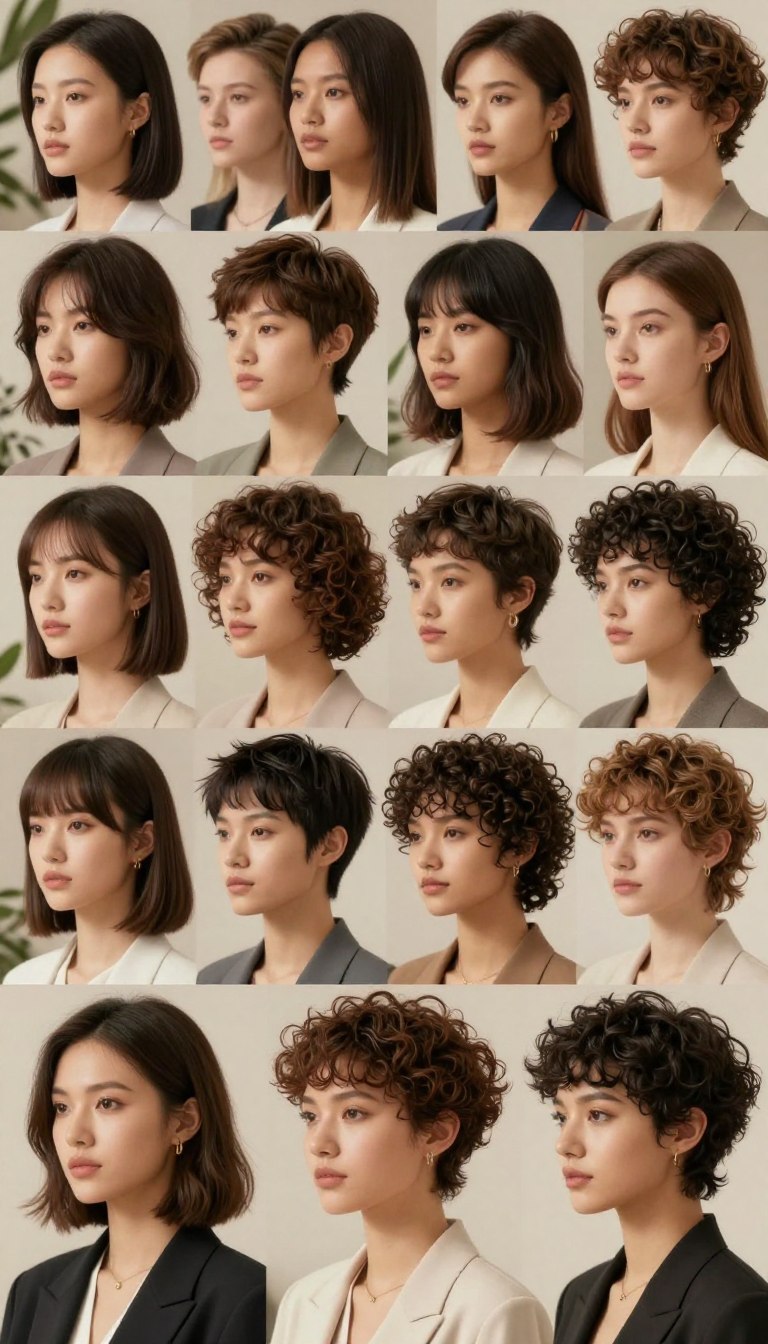
Curly and wavy textures can be used as design tools to highlight your best features while keeping the overall silhouette light.
Bouncy curls are flattering when volume sits at the roots and crown rather than the widest cheek area. That lift draws the eye upward and lengthens the face without masking natural shape.
Precision curly cuts matter. Shaping ringlets curl by curl keeps each coil healthy and avoids the triangular bulk that can widen the lower perimeter. Ask your stylist to remove weight at the sides while keeping fullness on top.
Side-swept waves with a deep part create angles that move attention diagonally and downward. This simple sweep gives definition without harsh lines and works well with both soft waves and stronger curls.
Styling best practices: diffuse on low heat, use a curl-defining cream or mousse, and seal only the ends with a light oil if needed. These steps keep movement soft and the hair looking deliberate.

- Keep volume at the roots and crown; avoid bulk at cheeks.
- Request curl-by-curl shaping to reduce side width and keep lift where it flatters.
- Use products that define texture without weighing hair down.
Updos and half-up styles that add height fast
A high top knot or simple half-up can shift the eye upward and change how your proportions read.
Updos work because they lift hair away from the sides of the face and create vertical lines. That added height at the crown gives a clear lengthening effect and draws attention upward.
The top knot sits high on the crown to pull attention up. When positioned correctly it makes the head appear longer and reduces the visual width of the cheeks.

Half-up options are faster and versatile. A half-up pony or a mini half-up top knot adds crown height while leaving face-framing pieces out. That keeps the style soft, not severe.
- Fast routine: spray dry shampoo at roots, tease gently at the crown, then secure with a small elastic or pin.
- Smooth lightly with fingers and set with a light-hold spray to keep the effect all day.
- Leave a few soft pieces near the temples or cheekbones to flatter the face.
These looks work on many lengths, including bobs and lobs. Use mini elastics and pins to adapt shorter locks without losing lift. They take little time and give an instant, polished look.
Edgy, creative short styles that still flatter round face shapes
Bold, modern cuts work when the design places volume up top and keeps the sides sleek. A faux hawk is a great example: build dramatic height through the center while smoothing the sides so the face reads longer and more defined.
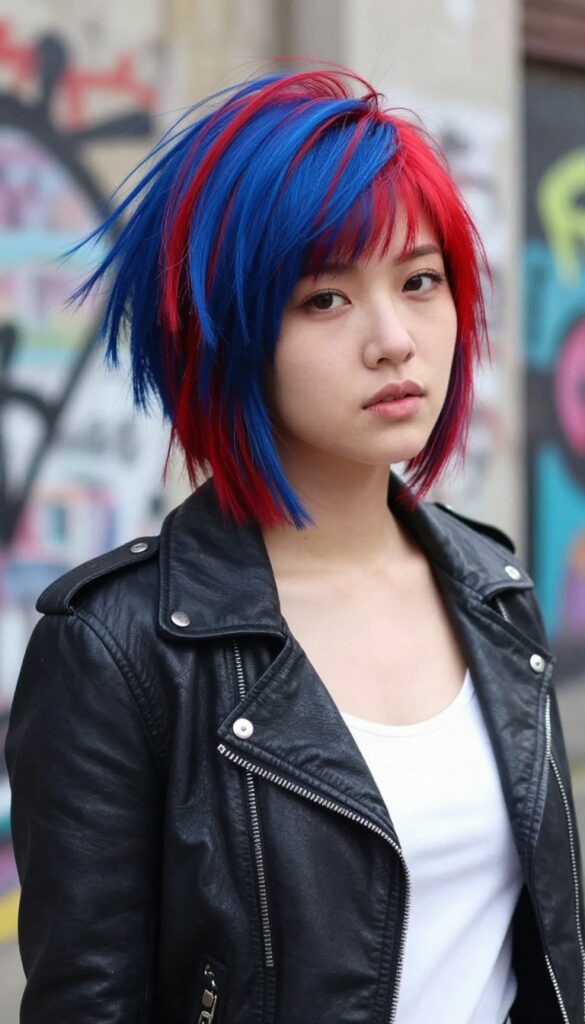
Use a strong-hold gel or paste to shape the center ridge, then refine the finish with a light hairspray so the look lasts without feeling crunchy. A clean middle part can work if you ask your stylist for layers and a bit of movement so the outline never looks flat.
- Try slicked-back sides with volume on top to emphasize vertical lines and reduce side width.
- When testing a middle part, request soft layers near the cheek to add a bit of bend and avoid a boxed silhouette.
- Experiment at home first—pins, a tuck, or a quick blow-dry—before committing to a big change.
These ideas keep personality without sacrificing a flattering silhouette; mention height, part, and finish during your salon consult so the cut suits your hair and lifestyle.
How to maintain your cut and keep the shape looking fresh
The right maintenance plan makes a flattering shape easy to live with. Think of trims and simple daily moves as the way you protect the design, not as optional extras.
Set expectations with your stylist up front. Pixies often need trims every 4–6 weeks to keep the crown and sides balanced. Bobs and lobs can go a bit longer depending on how blunt the line is and how your locks grow.
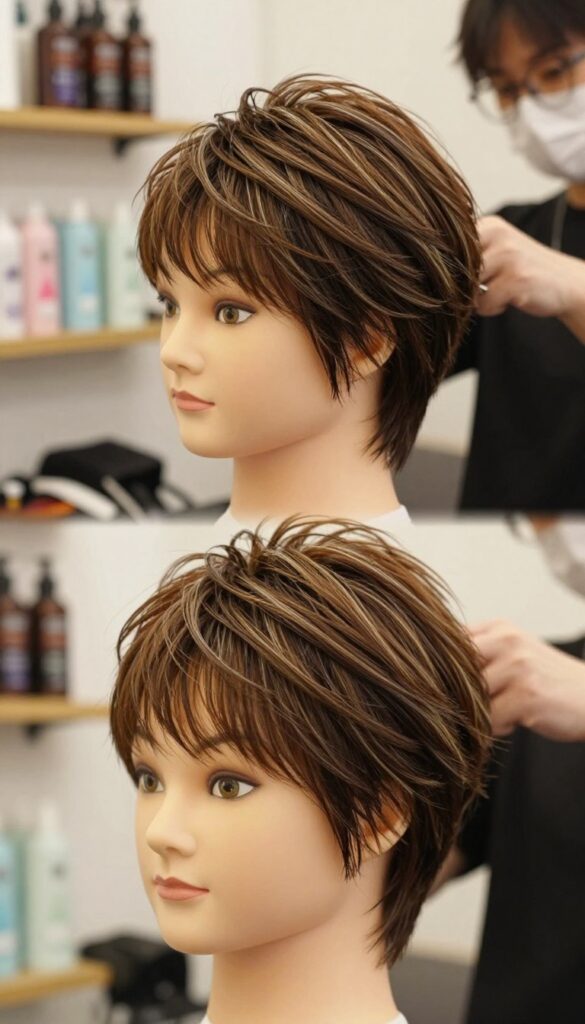
Daily styling basics are fast and effective. Use a lightweight mousse at the roots for lift, a texturizing spray for separation, and always apply a heat protectant before hot tools. These steps keep hair healthy and make the shape last longer.
If strands flip at the ends, change your blow-dry direction and use a small amount of smoothing cream only where needed. A bit of putty or paste helps define piecey looks without weighing the locks down.
- Trim timing: pixies 4–6 weeks; bobs/lobs vary.
- Daily routine: rough-dry, set a side part, add a few bends, finish with texture spray.
- Fix problems fast: tweak blow-dry, tame stray strands, or ask your stylist to remove a bit of weight.
Finally, be honest with your stylist about what you actually do at home. That way they can tailor layers and weight removal to your time, tools, and routine — and keep the shape working for your life and hair.
Conclusion
A few smart choices—asymmetry, lifted roots, and piecey ends—are all it takes to give the face more definition while keeping a modern look. Use layers and texture to add vertical movement and avoid a boxed outline.
Rule of thumb: add a bit of crown volume, try an off-center part or a longer side sweep, and keep movement through the ends. Be cautious with blunt chin length; it can emphasize width unless softened by waves or feathered edges.
Bangs and fringe are tools, not rules. Curtain or side-swept bangs frame the eyes without weight and can be tailored to your texture and daily routine. Choose a length and finish that match the time you’ll spend styling.
Bring two favorite images to your stylist, discuss texture, density, and desired volume, and pick the version you’ll wear often. The best haircut is the one that makes you feel confident—because confidence is the final effect.